Feeling your best as you age often depends on what you put on your plate. Anti-inflammatory meals are a practical way to support your body, keep joints and your mind working well, and make everyday life more comfortable. I really dig into this topic because eating for healthy aging isn’t just about counting calories or cutting certain foods; it’s about giving your body what it needs to handle inflammation in a balanced way.
Why Anti-Inflammatory Meals Matter As We Age
Inflammation plays a big role in how our bodies feel as we get older. When you think about chronic health issues like joint pain, heart concerns, and memory struggles, low-level inflammation is usually involved. Some inflammation is normal, like when you stub your toe and it swells up. But long-term, hidden inflammation can start wearing the body down over the years.
For older adults, this kind of slow burn can make things like arthritis or diabetes harder to manage. Diet steps in here. Studies show that eating foods with natural anti-inflammatory compounds—leafy greens, colorful fruits, healthy fats, and spices such as turmeric—can help your body respond better and make daily life easier (Harvard Health). Personally, I notice less joint stiffness on mornings after a meal of salmon and roasted veggies than after heavier, processed dinners.
Getting Started with Anti-Inflammatory Meal Planning
If you’re new to anti-inflammatory eating, it can feel like a lot at first, but you can break it down into simple steps. I keep it straightforward: focus on adding foods, not just cutting them out. Here are a few foundation foods and meal tips that make planning easier:
- Leafy Greens: Spinach, kale, and Swiss chard are great tossed in salads, sauteed, or stirred into soups.
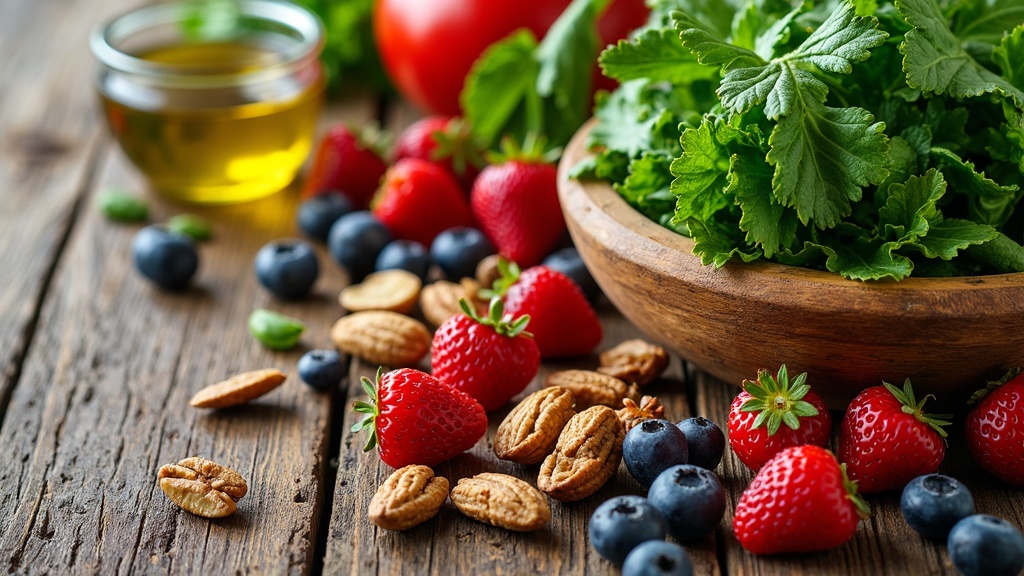
- Berries: Blueberries, strawberries, and blackberries add colorful antioxidants without much sugar.
- Healthy Fats: Olive oil, avocado, and fatty fish like salmon or sardines support balanced inflammation.
- Spices: Turmeric, ginger, and garlic boost flavor and provide real anti-inflammatory support.
- Whole Grains: Oats, quinoa, and brown rice offer steady energy and loaded fiber.
When putting meals together, aim for a mix of these foods each meal. I often prep batches of roasted veggies and baked salmon at the start of the week. This makes it way easier to whip up a quick, balanced dinner, even on busy nights.
Quick Guide to Building Anti-Inflammatory Meals
Sticking to an anti-inflammatory plan is a lot easier with a reliable system. Here’s the easy method I use:
- Pick a Protein Source: Go for fish, beans, or poultry (skip processed meats if possible).
- Add Colorful Vegetables: Load up your plate with at least two colors—carrots, peppers, beets, or greens all work.
- Include a Healthy Fat: Drizzle olive oil, add some avocado, or toss in some walnuts.
- Mix in a Whole Grain or Legume: Quinoa, brown rice, farro, or lentils are great choices for fiber and nutrition.
- Top with Fresh Flavor: Fresh herbs or a squeeze of lemon brighten up meals and cut down the need for extra salt.
Getting ingredients ready ahead of time—like chopped veggies or batch-cooked grains—makes it much easier to stay on track during the week.
Things To Think About When Building an Anti-Inflammatory Meal Plan
Eating this way isn’t about perfection. Some days you’ll grab a sandwich or enjoy dessert, and that’s perfectly fine. Still, keeping a few things in mind helps:
- Balance: If your dinner has extra carbs, try adding in more greens or healthy fats to even things out.
- Omega-6 Fats: These are common in processed foods; try swapping for omega-3 sources (like salmon or flaxseed oil) when you can (NCBI).
- Hidden Sugars: Sauces, drinks, and even some “healthy” snacks can add up. Reading labels and prioritizing whole foods really helps.
- Food Sensitivities: Some people don’t feel their best after eating nightshades (like tomatoes or eggplant) or certain grains. Pay attention to how your body reacts post-meal.
Cutting Down on Inflammatory Triggers
It’s not just about what you add; sometimes, swapping out certain foods can make a massive difference. Here’s what I pay extra attention to:
- Refined Carbs: Things like white bread and pastries often spike blood sugar and push inflammation up.
- Sugar-Sweetened Drinks: Soda, sweet teas, and even fruit juices can knock out your efforts for the day.
- Processed Meats: Bacon, sausage, deli meats—all these can trigger inflammation if eaten frequently.
Cutting back on these step by step can really improve how your joints feel and how much energy you’ve got.
Practical Approach for Real Life
Meal prepping is my secret weapon. Chopping veggies, roasting sweet potatoes, or making a pot of brown rice means I can pull together a meal without stress. Leftover grilled chicken thrown into a salad with olive oil and lemon is one of my favorite quick lunches.
Leveling Up Your Anti-Inflammatory Kitchen Game
Once you’ve mastered the basics, taking it up a notch is pretty rewarding. Here are some ideas to keep things exciting and delicious:
Try Out New Grains: Experiment with millet, buckwheat, or teff. Changing up your grains brings in more nutrients and keeps things fresh.
Batch Cook Beans: Making a big pot of lentils or chickpeas gives you options for salads, soups, and bowls for days.
Have Fun With Spices: Turmeric and ginger root go perfectly with stir-fries, while cinnamon adds flavor to oatmeal. I love grating fresh ginger into tea for an anti-inflammatory kick.
Switch Up Cooking Techniques: Instead of just roasting or boiling, try steaming, grilling, or lightly sautéing to get different textures and flavors.
Why This Stuff Delivers
Mixing up real, whole foods brings more than just great variety. It helps your gut stay healthy, supports immunity, and keeps you satisfied after meals. Experimenting makes it easier to find what truly works for you—everyone is a bit different, after all.
The Basics: Grocery List for Anti-Inflammatory Meals
Having the right foods on hand sets you up for success. Here’s a list I like to use to restock the kitchen:
- Proteins: Salmon, sardines, eggs, lentils, chickpeas, lean poultry
- Vegetables: Kale, spinach, broccoli, carrots, red cabbage, sweet potatoes
- Fruits: Blueberries, cherries, oranges, apples
- Whole Grains: Oats, quinoa, brown rice, barley
- Healthy Fats: Olive oil, avocado, nuts (walnuts, almonds, pecans), seeds (chia, flaxseed, pumpkin)
- Flavor Builders: Garlic, ginger, turmeric, parsley, basil, lemon
With just these basics, you’ll be able to make quick, nourishing meals night after night.
Frequently Asked Questions
What’s an example of a simple anti-inflammatory breakfast?
One choice I love is overnight oats with unsweetened almond milk, chia seeds, blueberries, and almond butter. It’s portable, filling, and can be made in advance.
How often should I eat fish for anti-inflammatory benefits?
Aim for two to three servings each week, especially fatty fish like salmon, sardines, or mackerel. They have higher levels of omega-3s. If you don’t eat fish, chia seeds and ground flax meal are solid plant-based swaps.
Are there specific foods I should completely avoid?
No need to go overboard, but cutting way back on processed foods, sugary drinks, and fried foods really pays off. Balance is important—if there’s a treat you love, make space for it every so often.
Small Changes for Big Results
Making anti-inflammatory meals a regular part of your routine doesn’t mean boring or bland eating. It’s about picking foods you like that help your body feel great as you age. A few smart swaps, vibrant veggies, and creative herbs can make a major difference in staying healthy. Try out some recipes or invent your own—your future self will thank you for it.