If you think eating healthy means spending a fortune, you’re definitely not alone. Grocery prices seem higher than ever, and all those fancy “superfood” labels aren’t exactly doing your wallet any favors. Still, sticking to a nutritious diet doesn’t have to clear out your bank account. With a little bit of planning and some smart shopping, healthy eating can fit a modest budget. I’m going to share what’s worked for me and break it down so you can build meals you’re proud of, without stressing out about the bill.

Why Affordable Healthy Eating Matters
The idea that healthy food is always expensive just doesn’t hold up when you know what to look for. I’ve seen firsthand how switching up shopping habits can really cut costs and help you hit those nutrition goals. In the U.S., the average family spends thousands every year on groceries. Rising costs can make some folks turn to heavily processed foods, which are rarely the best choice for long-term health. But using whole grains, beans, and seasonal produce can slash those receipts, giving you better nutrition for less money.
Fresh, wholesome foods power your body and sharpen your energy, and they don’t always come with premium price tags. Simple staples like oats, brown rice, and frozen vegetables offer a ton of flexibility in the kitchen and usually cost way less than takeout or prepackaged meals. Plus, cooking at home means you get to know exactly what’s going into your food. That helps you cut down on excess sugar, sodium, and fat, all while keeping your budget in check.
Eating healthy food on a budget isn’t just about your bank account. Affordable, balanced meals play a role in your health, energy, and peace of mind. Lowering your grocery bills can also ease up financial stress, so your focus is on nourishment, not dollars. When wholesome foods make their way onto your plate regularly, you set yourself up for good habits that can last a lifetime.
What Makes a Meal Both Healthy and Budget-Friendly?
Several key building blocks make up the most affordable, nutritious meals. Keeping these in mind helps create dishes that taste good and support your health without busting your grocery budget:
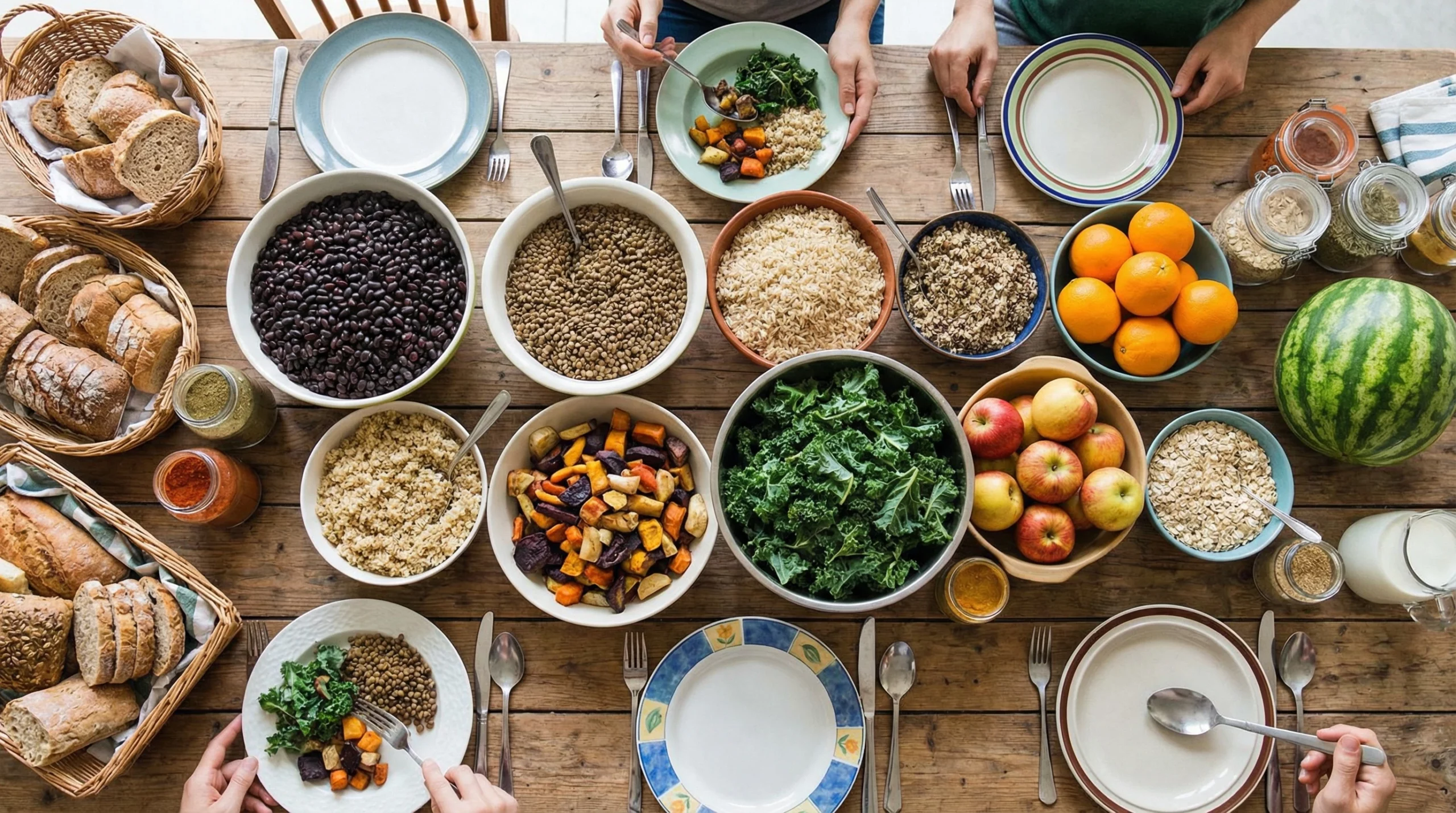
- Whole Grains: Think brown rice, whole wheat pasta, oats, or barley. These are cheap per serving and really filling.
- Plant Proteins: Dried or canned beans, lentils, eggs, and tofu pack a ton of protein for not much money.
- Fruits and Vegetables: Frozen or seasonal produce is just as healthy as fresh and often way cheaper. Root veggies like carrots and potatoes store well and fill you up.
- Healthy Fats: A little goes a long way with things like olive oil, seeds, or nuts (peanuts in particular tend to be wallet-friendly).
I like to keep basics like these stocked up, making it easier to pull together quick meals when the week gets busy. Using these building blocks makes it simple to come up with breakfasts, lunches, and dinners that provide a balance of fiber, vitamins, and protein without breaking the bank. You can always mix in herbs, spices, and sauces for more flavor or switch things up with different grains or vegetables as prices fluctuate.
Smart Shopping on a Budget
A little strategy in the grocery store makes a big impact. Here’s a simple breakdown of how I tackle healthy shopping without overspending:
- Make a List and Stick to It: Impulse snacks have tripped me up more than once! Jotting down meals for the week and sticking to my list helps keep my cart, and my budget on track.
- Don’t Dismiss Store Brands: Generic versions of pantry staples (canned tomatoes, whole wheat pasta, oats) almost always cost less and deliver the same nutrition as name-brand.
- Shop Sales and Clearance Racks: I always scan these for deeply discounted produce and grains. If you find a good deal on something shelf-stable or freezable, stock up for later.
- Buy In Bulk: Staples like brown rice, rolled oats, dried beans, and spices are far less expensive when bought in larger quantities. Keep them in airtight containers, and they’ll stay fresh for months.
- Plan Meals Around What’s In Season: Fruits and veggies in season are almost always cheaper and taste better, too. Your local farmer’s market or grocery flyer can tell you what’s peaking.
Another tip I’ve learned: don’t forget the basics. Scan your pantry and fridge before shopping to avoid unnecessary double purchases. Sometimes, just knowing what you already have means you can skip a trip to the store altogether or swap in a less expensive ingredient you already bought earlier. You can also check digital coupons or apps for extra markdowns and points that eventually save you money on future trips.
Meal Prep Tips for Stretching Your Dollar
Meal prepping is my secret weapon for staying both healthy and thrifty. When you prep your meals, you can portion out servings, cut back on food waste, and avoid last-minute splurges. Here are a few ideas I rely on:
- Batch Cooking: Make large portions of hearty basics like chili, soups, or casseroles. Freeze what you don’t eat right away in individual portions for easy grab-and-go meals.
- Repurpose Ingredients: Cook a big pot of brown rice or quinoa to use as the base for stir fries, grain bowls, or burrito fillings throughout the week.
- Pack Lunches in Advance: Ditching daily takeout can save a ton. Simple combinations like beans and rice, veggie wraps, or egg salads are affordable to prep at home.
- Stash Snacks: Portion out raw veggies, trail mix, or homemade airpopped popcorn to avoid vending machine runs when you’re on the move.
A bonus tip: try using reusable containers for storing prepped meals. It may save money long term and helps organize your fridge so you can easily spot leftovers and snacks. Getting into a routine, such as setting aside a couple of hours on weekends for meal prep, makes a real difference midweek. That way, you always have nourishing options when you’re running low on time or energy.
Barriers and Workarounds To Eating Well on a Tight Budget
Squeezing healthy meals out of a tight grocery budget isn’t always straightforward. Here are some hurdles you might run into, with my best hacks for getting around them:
- Limited Time: Busy days can make cooking feel impossible. Use slow cookers, pressure cookers (like an Instant Pot), or sheet pan recipes for set-it-and-forget-it meals.
- Lack of Kitchen Space or Tools: You don’t need fancy gadgets. A saucepan, a skillet, a sharp knife, and a baking sheet are enough for most basic recipes.
- Food Waste: Plan to use leftovers before they turn. Toss slightly wilted veggies into soups, omelets, or pasta sauces. Freeze what you can’t finish.
- Temptation to Splurge: Shopping when hungry or without a plan tends to add pricey extras. Eat a snack first and bring that list along!
These challenges show up for most folks at one point or another, but they don’t have to spoil your efforts. It’s all about having a few simple habits that make the healthy choice the easy choice. You might also want to prep meal components—like a big batch of roasted vegetables or cooked grains—so you always have building blocks for quick meals. And keep an eye out for community resources or local food programs if you need extra support.
Favourite Budget-Friendly, Healthy Ingredients
My grocery cart has a few all-stars I keep coming back to. Here are the MVPs in my kitchen for affordable health:
- Dried Beans and Lentils: Great for protein, super cheap, and you can cook up a bunch to use all week long. Canned beans are still budget-friendly and work for quicker meals.
- Frozen Mixed Veggies: No chopping, no waste, and you always have something green to throw in a stir-fry or soup.
- Eggs: Packed with protein, versatile enough for breakfast burritos, salads, or baking, and still relatively inexpensive compared to other proteins.
- Whole Grains: Brown rice, quinoa, and oats are filling, cheap, and work for sweet or savory dishes.
- Root Vegetables: Carrots, sweet potatoes, and potatoes store well and can be roasted, boiled, or mashed for hearty sides.
You can also check out basic pantry items like canned tomatoes, peanut butter, and spices. These last a long time, help mix in some variety, and keep meals flavorful without pushing the budget.
Sample Affordable Meal Ideas
These meal combos cost me far less than restaurant food, and they don’t take a culinary degree to prepare:
- Veggie Packed Chili: Use canned beans, tomatoes, and frozen veggies. Add spices and simmer. A big pot feeds several people and leftovers freeze well.
- Egg Fried Rice: Leftover rice, a couple of eggs, and any oddsandends vegetables make a quick dinner or lunch. Add a splash of soy sauce for flavor.
- Overnight Oats: Oats, a spoonful of peanut butter, banana, and a splash of milk combined in a jar. Refrigerate overnight for grab-and-go breakfasts.
- Lentil Soup: Dried lentils, carrots, onion, garlic, and broth. Super simple, hearty, and nourishing.
I try to include at least one of these in my meal rotation each week. Picking just a few recipes you know will work with your budget makes dinner less of a guessing game. Try switching up the spices or using whatever vegetables are on sale to keep things interesting while keeping costs down.
Questions People Often Ask About Eating Healthy on a Budget
I get lots of questions from friends and family about how to actually put affordable, healthy eating into practice. Here are a few that come up a lot:
Question: Is buying organic food really necessary for health?
Answer: Organic is nice if it’s in your budget, but it’s better to eat a variety of fruits, veggies, and grains (conventional or not) than to stress about every label. Washing produce well can help reduce leftover chemicals.
Question: How do you keep meals interesting when saving money?
Answer: I switch things up with my spices and sauces, rotate my veggies with the seasons, and look up new recipes for the same ingredients. Rice and beans can taste totally different with a few tweaks!
Question: Are canned and frozen foods healthy?
Answer: Absolutely. Canned beans, tomatoes, and frozen vegetables are just as good for you as fresh, often at a fraction of the price. Look out for extra salt or sugar in canned goods and rinse beans before using.
Wrapping Up: Healthy Choices That Save
Healthy eating is doable for just about any budget. It’s all about building your meals around affordable staples, using what’s in season, and making a plan before you hit the store. Practice makes it easier, and you’ll be amazed how quickly your skills grow as you try new recipes. Your wallet, and your body, will thank you for it.
A bit of planning, some new shopping habits, and simple ingredients really do add up to more nutritious, satisfying meals every day, without overspending. By making healthy food more accessible and affordable, you can stay energized and well-fed no matter your income. Keep building up your skills with new recipes and local deals, and you’ll find it gets easier with every meal.


Eating healthy doesn’t have to be expensive. With thoughtful planning and smart choices, nutritious meals can fit into even the tightest budgets. The key is shifting from impulse buying and convenience foods to intentional, simple strategies that stretch both your money and your nutrition.
Healthy eating on a budget is realistic and sustainable. With simple planning, flexible recipes, and smart shopping habits, nutritious meals can be both affordable and satisfying. Over time, these choices not only protect your wallet but also support long-term health and well-being.