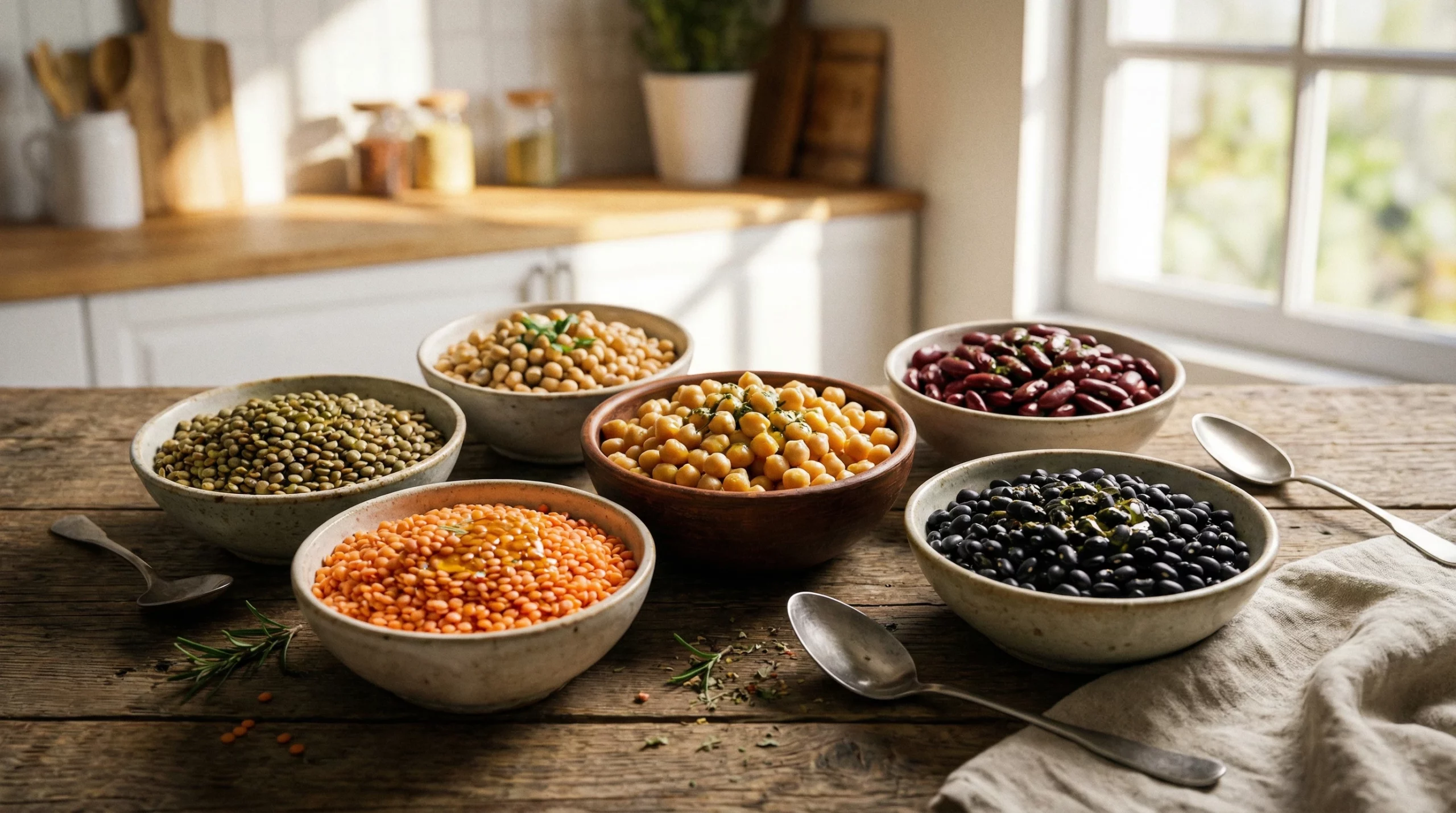
Cooking with legumes has been a game-changer for me, both in terms of nutrition and variety. If you’re looking for a way to add more heart-healthy protein to your meals, legumes like beans, lentils, and chickpeas are pretty handy. They’re affordable, packed with nutrition, and can turn even the simplest dishes into something wholesome and satisfying. I’ll walk you through some ways to make legumes a regular part of your cooking routine and share why I think they deserve a spot in every pantry.
Why Legumes Make a Smart Protein Choice
Legumes aren’t just about protein; they’re also high in fiber, which is super important for keeping cholesterol in check and digestion on track. Unlike some animal proteins, legumes are naturally free from cholesterol and low in saturated fat. That’s pretty good news if you care about heart health. According to the American Heart Association, including more legumes in your diet is linked to a lower risk of heart disease and type 2 diabetes. Plus, they’re a plant-based protein source, which is a big win for anyone aiming for a more sustainable diet.
What I like about legumes is how versatile they are. Whether you’re making a batch of chili, tossing chickpeas into a salad, or using lentils to bulk up your soup, they fit right in. Research suggests that people who eat legumes regularly tend to have better nutrient intake overall, as they get a mix of vitamins, minerals, and antioxidants in each serving. If you want to see some of the studies behind these facts, the Harvard T.H. Chan School of Public Health’s Beans and Legumes page is worth checking out.
One thing you might stumble upon while reading nutrition reports is that people who swap even just a few weekly servings of red meat with legumes have a measurable positive change in cholesterol levels and inflammation markers. That means legumes aren’t just fillers—they’re tiny nutritional powerhouses. Plus, the environmental impact of growing legumes is lower compared to raising livestock, so it’s a great way to eat with a lighter footprint.
Getting Started: Types of Legumes and How to Use Them
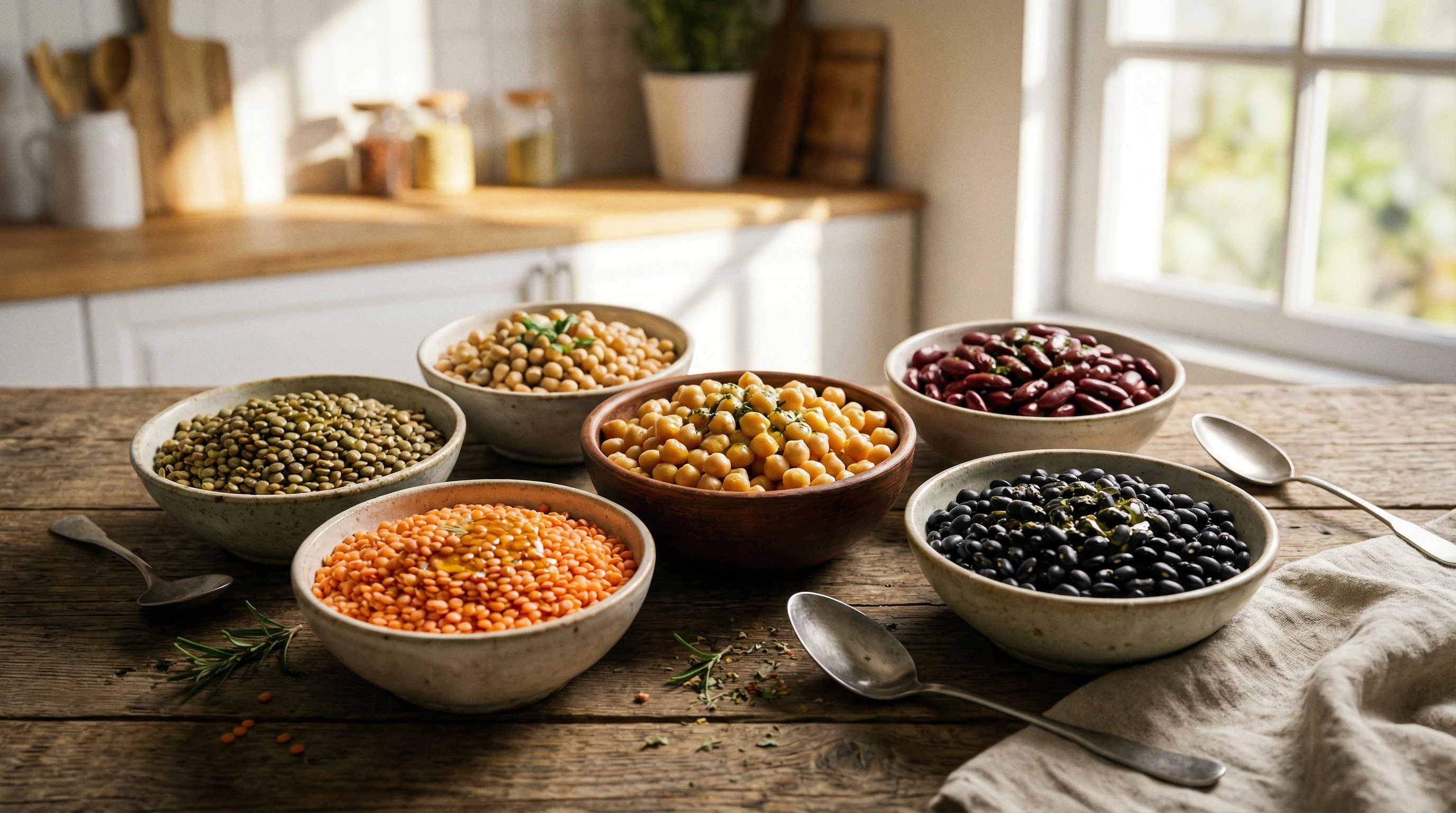
There’s a whole world of legumes out there, which is probably why they show up in almost every cuisine. Some of the main types you’ll run into are:
- Beans: Black beans, kidney beans, pinto beans, navy beans, and white beans are all really common and great in soups, chilis, and salads.
- Lentils: These cook quickly and come in red, green, brown, and black varieties. I love red lentils for curries and green ones for hearty stews.
- Chickpeas (Garbanzo Beans): Awesome in hummus, salads, and even roasted as a crunchy snack.
- Split Peas: Typically used in split pea soup, they become really creamy when simmered.
- Peanuts: Yes, they’re technically a legume. They fit into both sweet and savory recipes.
If you’re new to legumes, starting with canned or precooked options is really easy. Just give them a good rinse under water to get rid of extra sodium and they’re ready to toss in your favorite dish. If you go the dried route, you’ll want to soak and cook them (I’ll get to that later), but the texture and flavor can be really worth it.
Another neat thing about legumes is their place in cultural cuisines. For example, lentils are a staple in Indian dals, chickpeas shine in Mediterranean dishes, and black beans are key to many Latin American recipes. Exploring global legume recipes is a tasty way to expand your cooking and try new flavor combos. Plus, it helps keep meal planning fresh and exciting.
Cooking Basics: How to Prep and Cook Legumes
One thing that often comes up is whether to use canned or dried legumes. Both work, but here’s my experience with each:
- Canned legumes: Great for convenience. Perfect for last-minute meals. Just rinse them well to cut back on sodium.
- Dried legumes: Usually cheaper in the long run. They take a bit longer to cook but let you control the flavor and saltiness.
For most dried beans and chickpeas, soaking is a smart step. It shortens cooking time and makes them easier to digest:
- Quick soak: Cover with water, bring to a boil for 2 minutes, then let them sit, covered, for an hour. Drain and cook as usual.
- Overnight soak: Cover dried beans with water and let them sit in the fridge overnight. Drain, rinse, and simmer in fresh water until tender (usually 1–2 hours).
Lentils and split peas cook faster and don’t need soaking. Toss them straight into the pot and simmer until soft, about 15–30 minutes depending on the type.
Pressure cookers and slow cookers are handy tools for legume prep. With a pressure cooker, beans are done in under an hour. Slow cookers are “set it and forget it”—just remember to use enough liquid since legumes soak up more than you might expect. Both methods help if you’re trying to meal prep for the week and want a big batch ready to go.
Tips for Making Legumes Delicious
Some people put off cooking legumes because they worry about bland flavor or unpredictable texture. Here’s what I do to make sure my legume dishes taste great every time:
- Add salt later: Salt can toughen beans if you add it too early. I wait until they’re almost done.
- Spices and aromatics: Onions, garlic, ginger, bay leaves, cumin, smoked paprika—these all work so well with legumes and keep things interesting.
- Cook with broth: Simmering legumes in vegetable, chicken, or beef broth instead of water gives them a deeper flavor.
- Finish with acid: A splash of vinegar, lemon, or lime juice brightens things up when serving.
Blending chickpeas or white beans into soups and sauces can also create a creamy texture without dairy. It’s a trick I picked up when experimenting with vegan recipes, and it’s super useful for thickening stews or making dips.
A big tip is to let legumes cool in their cooking liquid after turning off the heat. This helps them stay plump and creamy rather than dry out, especially if you’re storing them for later or freezing batches. Don’t forget, toasted spices (like cumin seeds or mustard seeds) and a bit of sautéed onion can step up any simple pot of beans, whether you’re going Tex Mex or Indian inspired.
Possible Challenges When Cooking with Legumes (and How to Solve Them)
Legumes aren’t tricky, but they do come with a few small challenges. Here’s how I handle the ones that people ask me about most:
- Digestive discomfort: Sometimes beans can make you feel bloated. Soaking and rinsing them well, and slowly increasing how much you eat, usually helps.
- Time: Cooking from dried takes planning, but using a pressure cooker or Instant Pot can cut that time down by a lot.
- Texture: If beans are too hard or splitting, check water quality (hard water can mess up texture), or make sure you’re not adding acid too early in the cooking process.
- Flavor: Don’t be afraid to taste and adjust seasonings near the end of cooking. Legumes soak up flavor, so don’t hold back on herbs and spices.
Quick Bean Troubleshooting
If your beans stay tough even after long cooking, mineral-heavy water could be the culprit. Try adding a pinch of baking soda to the cooking water; it softens things up nicely.
If you want cans for convenience, look for low-sodium or no-salt-added varieties. These let you control the seasoning better.
Ways to Use Legumes in Everyday Meals
Legumes fit into just about every kind of meal, from breakfast to dessert. Here are some ideas that I go back to all the time:
- Soups and Stews: Toss lentils or beans into soups for body and protein. Lentil soup with tomatoes, carrots, and spinach is a classic at my house.
- Salads: Mix chickpeas, black beans, or lentils with fresh veggies, a sprinkle of feta or goat cheese, drizzle of olive oil, and herbs for a super filling salad.
- Burgers and Patties: Mash black beans or chickpeas with cooked grains, veggies, and spices to make homemade veggie burgers.
- Curries and Stirfries: Chickpeas shine in tomatobased curries, while tofu (another legume product) is at home in stirfries.
- Dips and Spreads: Blend chickpeas with garlic, tahini, and lemon juice for a classic hummus, or try white beans blended with herbs and olive oil.
For a quick snack, roasted chickpeas or black beans seasoned with smoked paprika and chili powder hit the spot. You can even work legumes into baked goods—think black bean brownies or chickpea blondies—for extra fiber and a smoother texture.
Legumes aren’t just side dishes. Try incorporating them into main courses like enchiladas, lasagnas, or savory pies. They hold up well in casseroles and can act as the base for grain bowls loaded with veggies and a bright dressing. The possibilities are almost endless, so don’t be afraid to experiment and find your new favorites.
Legumes and Heart Health: What the Science Says
Plenty of research backs the benefits of legumes for heart health. They help lower LDL (the “bad” cholesterol), stabilize blood sugar, and bring down blood pressure. Because they’re low in fat and high in soluble fiber, legumes make it easier to maintain a healthy weight, a key part of heart health. A 2017 review published in the journal Nutrients found that higher legume intake was tied to reduced risk of heart disease and improved blood cholesterol. That’s a solid reason to scoop another serving of beans onto your plate.
It’s also good to know that legumes pair really well with grains, like rice or whole wheat bread, to make a complete protein. This comes in handy if you’re eating mostly plant-based meals.
Besides heart benefits, regular consumption of legumes has also been associated with better blood sugar control in people with diabetes. The fiber content slows the absorption of sugar, which helps prevent spikes and crashes in energy levels. That stability can make a huge difference in how you feel day to day, keeping your focus and energy more even.
Frequently Asked Questions
Here are a few questions I often hear from people looking to cook more with legumes:
Question: Are canned beans as healthy as dried beans?
Answer: Canned beans are just as nutritious as dried ones, as long as you rinse them to remove extra sodium. They’re a super convenient way to get all the same fiber, protein, and vitamins.
Question: Can I eat legumes every day?
Answer: Eating legumes daily is absolutely fine for most people. Just introduce them gradually if you’re not used to a lot of fiber in your diet to avoid digestive surprises.
Question: How do I use legumes if I don’t want to cook from scratch?
Answer: Store-bought hummus, bean-based pastas, or heat-and-eat lentil pouches are good options. Look for versions with less added salt and preservatives when you can.
Question: Can I freeze cooked legumes?
Answer: Yes, cooked legumes freeze really well. Let them cool completely, freeze in portioned containers or bags, and they’ll keep for up to six months. Perfect for batch cooking and having quick meal starters on hand.
Question: Are legumes safe for people with gluten intolerance?
Answer: Yes, legumes are gluten-free by nature. Just double check packaging to ensure no cross-contamination if you have celiac disease or a severe allergy.
Recap: Cooking with Legumes Pays Off
Adding more legumes to your meals means more plant-based protein, extra fiber, and a real boost for heart health. They’re easy to prepare once you get the hang of it, and they bring plenty of flavor, especially when you play around with seasonings and techniques. Whether you start with a simple lentil soup or a vibrant salad, cooking with legumes is practical, affordable, and a smart way to support your health.
Legume dishes offer something for every skill level and taste preference—a kitchen staple you’ll keep coming back to. So, check out a new recipe, and let legumes work their magic in your next meal!