
Eggfree omelets have become a super popular choice for people who are vegan, allergic to eggs, or simply want to mix up their breakfast routine. Thanks to a range of plant-based alternatives, making a fluffy, protein-packed omelet without eggs is way easier than it used to be. I’m going to share my experience and practical tips for crafting savory, satisfying egg-free omelets right at home. You’ll get insights on top ingredients, how to nail the perfect texture, and why these omelets are actually worth trying out, even if you aren’t vegan.
Why Try Plant-Based Omelets?
Switching out eggs for plant-based alternatives comes with a bunch of perks. First off, these omelets are totally cholesterol-free and usually lower in saturated fat. They’re a practical solution for anyone with egg allergies or those looking to lower their environmental impact. I also find that experimenting with different bases, like chickpea flour or tofu, opens up a world of flavors and textures.
Many of the ingredients used in egg-free omelets are naturally packed with protein, vitamins, and minerals. For people who want a filling breakfast but can’t (or don’t want to) eat eggs, these recipes tick pretty much every box. You won’t be stuck with bland, lifeless results because plant-based options can get surprisingly fluffy and flavorful with just a few tweaks.
In addition, going for plant-based omelets can help you support more sustainable food choices, as eggs often come with a bigger environmental footprint. By using ingredients like legumes and tofu, you’re lowering the impact even more. Plus, since many alternatives are gluten-free, they can fit a wider range of dietary needs. That sort of flexibility just makes breakfasts and brunches more exciting.
Popular Plant-Based Alternatives for Egg-Free Omelets
Building a tasty eggless omelet isn’t about just removing eggs and hoping for the best. Some plant-based ingredients work especially well for capturing both the look and feel of an omelet. Here are the ones I keep coming back to:
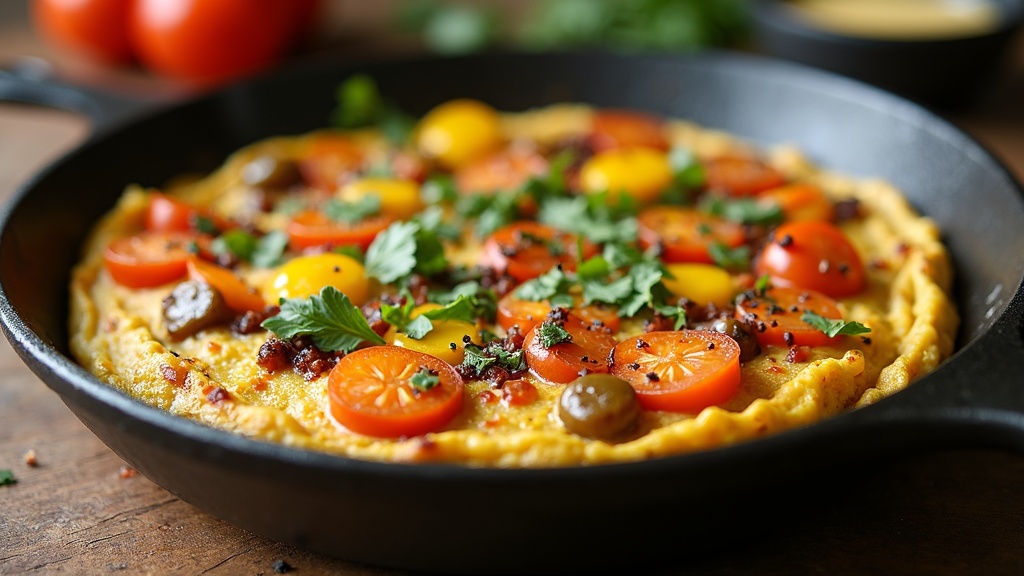
- Chickpea Flour (Gram Flour): Mix chickpea flour with water and a pinch of spices to whip up a thick pancake batter. This option gives omelets a naturally eggy color and texture, and it’s gluten-free, too. Super handy for breakfast burritos or folded omelets.
- Silken Tofu: Blend silken tofu with a splash of nondairy milk and a little turmeric. It turns smooth and creamy, and when cooked, takes on a custardy, rich texture that feels really close to a classic French omelet.
- Commercial Vegan Egg Replacers: Products like JUST Egg are made specifically to imitate eggs and perform really well in omelets. They pour like eggs and even fluff up as they cook.
- Mung Bean: Some vegan egg mixes use mung bean protein, which scrambles and sets up like the real thing. I’ve found this option holds fillings nicely and offers an authentic taste.
You can even mix in a little nutritional yeast for added savoury flavour, or use a combo of chickpea flour and tofu to blend textures for a more nuanced bite. It’s easy to adapt these bases to your favorite spices and herbs for countless regional twists.
Step-by-Step: Making an Egg-Free Omelet
Plant-based omelets might sound complicated at first, but the steps are actually very similar to cooking a traditional omelet. The main thing I focus on is balancing moisture and flavor. Here’s my basic workflow using chickpea flour, which is the most budget-friendly and versatile base:
- Whisk the Batter: Combine 1 cup chickpea flour, 1 cup water, a pinch of turmeric, black salt (for eggy flavor), and spices like cumin or garlic powder. Whisk until smooth and let it rest for 510 minutes.
- Prep Fillings: Chop veggies, sauté mushrooms, or whatever you plan to toss in. Lightly cooking filling ingredients first helps avoid excess moisture in your omelet.
- Cook the Omelet: Heat a nonstick skillet over medium heat with a dash of oil. Pour the batter in, tilting to spread it in a circle about ¼inch thick. Cook for 34 minutes until bubbles start to appear and the bottom is golden.
- Add Fillings and Fold: Layer fillings on one half, fold over with a spatula, and cook for another minute to let everything meld together.
That’s all there is to it. The more you make, the easier it gets to play with seasonings and fillings to match your cravings.
And if you’re using a commercial vegan egg replacer or tofu, just follow similar steps: blend, season, pour, and fill. No fancy gadgets needed—just a trusty skillet and your favorite fillings.
Tips for Texture and Flavor
Nailing the right texture and flavor can take a bit of trial and error, but there are some simple tricks I always come back to for a fluffy, savory result:
- Add Baking Powder: Just ¼ teaspoon mixed into your batter helps the omelet rise and get more airy.
- Black Salt (Kala Namak): This salt has a natural sulfur taste that’s super close to real eggs. A little goes a long way, so start small.
- Creamy Bases: Blending in a spoonful of plant-based yogurt or vegan cream cheese gives the omelet a rich, soft bite.
- Experiment with Fat: Don’t shy away from a bit of oil or vegan butter in the pan. It helps crisp the outside while keeping the inside moist.
- Don’t Overcook: Just like with regular eggs, overcooking can make the texture rubbery. Pull the omelet off the heat when the center looks set but still glossy.
Another tip: for a richer flavor, try a sprinkle of nutritional yeast, smoked paprika, or a dab of miso paste in your batter. Extra spices and umami flavors step up the overall appeal of your omelet. Fresh herbs, such as parsley or chives, can be folded in right before serving to give a burst of freshness.
What Fillings Work Best?
One of the things I love about egg-free omelets is that nearly any filling works. Mushrooms, spinach, tomatoes, and bell peppers are classic picks, but roasted sweet potato, vegan cheese, and fresh herbs add even more variety. For a protein boost, I like adding some cooked lentils or tempeh. Mixing up the flavors with sundried tomatoes, olives, or spicy vegan sausage keeps things far from boring.
For those looking to hit certain nutrition needs, tossing in leafy greens or shredded carrots not only adds color but also ups the vitamin content. Vegan cheese melts super nicely inside thick omelets and brings that gooey, stretchy texture many people miss from the original.
The beauty of plant-based omelets is that they are super customizable. You can pack them full of leftovers, such as roasted veggies, quinoa, or black beans. For a Mediterranean vibe, fill with roasted red peppers, artichoke, and vegan feta. If you crave something heartier, sautéed potatoes and diced vegan sausage work perfectly. Seasonings like za’atar, fresh basil, or curry powder can instantly transport your breakfast to new taste destinations.
Common Challenges and Easy Fixes
Cooking without eggs does come with a few hiccups. Here are some things I’ve run into and how I handle them:
- Sticking to the Pan: Using a well-oiled, nonstick skillet makes a world of difference. If you use cast iron, make sure it’s really well-seasoned.
- Tasting Too Beany: Raw chickpea flour can have a strong flavor. To help with this, I mix in lemon juice and lots of spices, plus letting the batter rest before cooking helps mellow it out.
- Too Dry or Too Wet: Adjust the batter thickness by adding a splash of water if it’s too thick or tossing in a spoonful of flour if it’s too runny. Moisture-rich fillings, like tomatoes, should be lightly cooked beforehand and patted dry.
More Troubleshooting Advice
If an omelet falls apart while flipping, I use a thinner spatula and try cooking at a slightly lower temperature. Sometimes, letting the omelet sit longer before the first attempt to flip helps it hold together better. If you overcook it, a drizzle of tahini or a squeeze of fresh lemon at the end helps bring back moisture and brightness.
For flavor adjustments, if it needs more punch, a quick dash of hot sauce or a sprinkle of fresh herbs can make all the difference. Experimenting a little each time will help you get a feel for the batter and the fillings that work best for your preferences.
Creative Uses for Plant-Based Omelets
Egg-free omelets aren’t just for breakfast. I often use them as sandwich wraps, taco shells, or even cut into slices for salads and grain bowls. Rolling up sautéed veggies and hummus inside an omelet makes an easy packed lunch. Some people even bake a batch of mini omelets in muffin tins for a grab-and-go snack.
- Wraps: Fill with falafel, lettuce, and tahini for a portable lunch.
- Taco Shells: Load with beans, salsa, and avocado for a Mexican-style twist.
- Breakfast Burritos: Use as the “egg” layer, filling with rice, potatoes, and veggies.
You can even cut cooled omelets into strips and add to noodle bowls or soups for a protein boost. They also hold up well as a base for vegan Benedict, pizza toppings, or even a simple on-the-go snack with a dab of your favorite sauce.
Frequently Asked Questions
Egg-free omelets are new for a lot of people, so I get plenty of questions from friends who want to try them but aren’t sure where to start. Here are a few of the most common ones I hear, along with my straightforward answers:
Question: Can you use the same cooking methods for vegan omelets as regular ones?
Answer: Yes, most steps are the same. Just keep an eye on cooking time because some plant-based batters need a bit less or more, depending on the moisture. Cooking at medium heat and using a good pan is key.
Question: What’s the best eggy flavoring in vegan omelets?
Answer: Black salt (kala namak) is my goto. It’s got a natural sulfur aroma that really mimics eggs.
Question: How do you keep the omelet from falling apart?
Answer: Let the batter cook until the edges dry out, and bubbles form before flipping. A wide spatula helps, and going slow with the fold keeps everything together.
Question: Can you freeze plant-basedgluten-free omelets?
Answer: You sure can! Let them cool, wrap individually, and freeze. Reheat in a skillet or microwave; they hold up pretty well.
Question: Are chickpea flour omelets healthy?
Answer: Definitely. Chickpea flour is high in protein and fiber, naturally gluten-free, and loaded with vitamins. Most fillings can also make your omelet even better for you—pack them with greens, colorful veggies, or beans for a full meal.
EggFree Omelets: Worth the Try
Trying out plant-based omelets isn’t just about skipping the eggs. It’s a chance to get creative in the kitchen and enjoy something filling, customizable, and surprisingly close to the original in both taste and satisfaction. With just a handful of ingredients and a few small tweaks, you’ll unlock loads of breakfast ideas and maybe find a new favorite. I’m always glad I took the plunge on egg-free omelets. There’s just so much you can do with them.
Wrapping up, plant-based omelets check all the boxes for flavor, texture, nutrition, and creativity. Whether you’re trying them for dietary reasons or just want a new breakfast adventure, you’ll stumble upon something truly delicious. Give it a go—the results might just surprise you.