
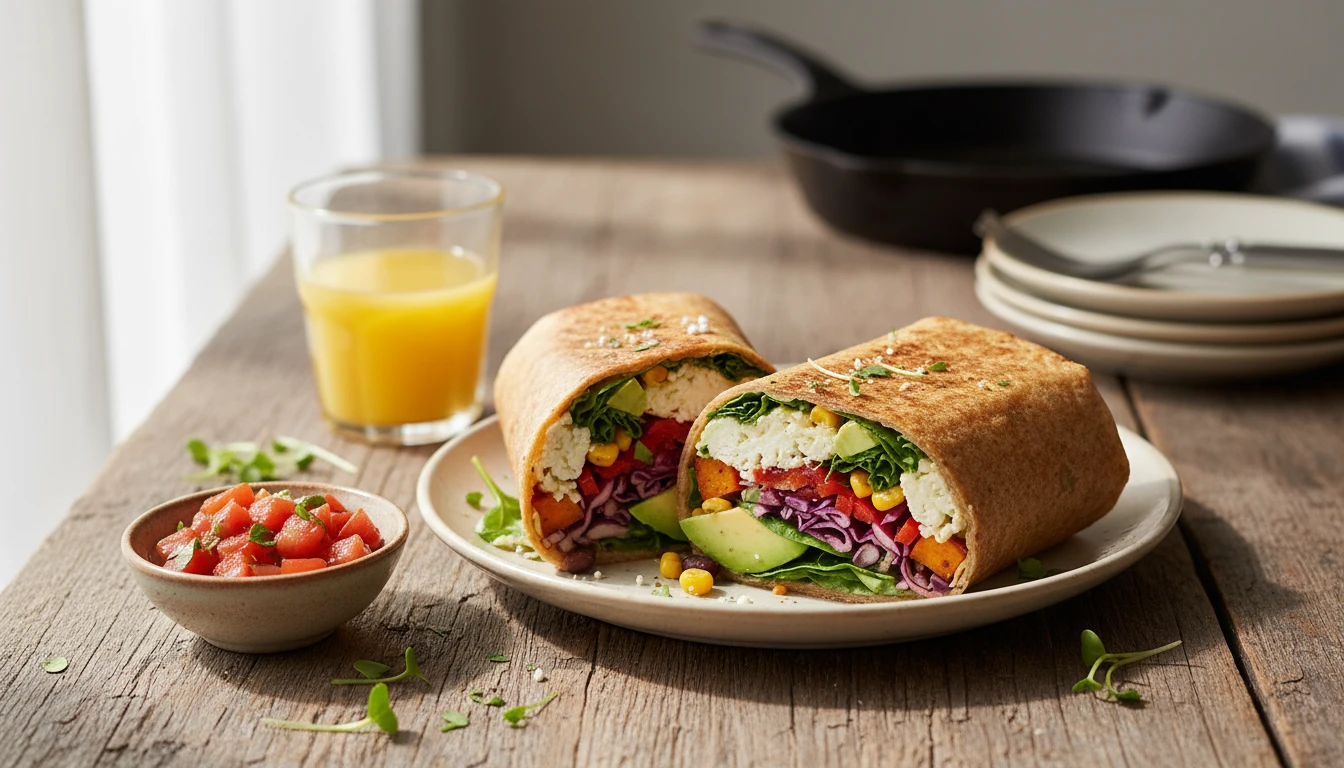
If you’re tired of the same old cereal or toast in the morning, breakfast burritos are a delicious way to mix things up while still starting your day on the right foot. The best part is, you don’t have to sacrifice health for flavor. With the right approach and ingredients, you can wrap up a balanced meal that gives you energy to tackle your morning. I’m going to dig into nutritious twists on breakfast burritos that fit a variety of tastes and nutritional needs.
Why Breakfast Burritos Are Such a Popular Choice
There’s a good reason why breakfast burritos show up on menus and in home kitchens just about everywhere. First, they’re pretty handy to eat on the go, thanks to everything being tucked neatly in a tortilla. Second, you’ve got endless options for flavors. Think spiced eggs, sautéed veggies, tangy salsa, or whatever else you want to toss in. That flexibility makes it easy to tailor burritos for a healthy, filling breakfast.
Healthy breakfast burritos also check a lot of nutritional boxes. You can pack them with protein, complex carbs, and plenty of fiber, depending on how you build them. The broad appeal comes from being both satisfying and adaptable to nearly any dietary preference, from omnivorous to plant-based diets.
Key Tips For Making Healthier Breakfast Burritos
To keep a breakfast burrito healthy, I focus on a few important elements, starting with the wrap and moving on to the filling. Here’s what I look for every time I build one in my own kitchen:
- Whole Grain or Grain-free Tortillas: Swapping regular white flour tortillas for whole wheat, sprouted grain, or grain-free options like almond or cassava keeps things higher in fiber and nutrients. I love using whole wheat or even low-carb wraps for extra nutrition.
- Veggie Packed Fillings: Loading up with sautéed spinach, peppers, onions, mushrooms, or even a scoop of salsa adds flavor and vitamins. Fresh or lightly cooked veggies taste great and help you hit your produce goals for the day.
- Smart Proteins: Eggs are classic, but you can use egg whites, tofu scramble, lean turkey sausage, or black beans. Mixing proteins can be a good move for both flavor and staying full for longer.
- Watch the Cheese: Cheese makes everything better, but a light sprinkle or using lower-fat shredded cheese instead of piling it on keeps things in check. Another option I use is part-skim mozzarella or even a dairy-free cheese if I want to mix it up.
- Mindful Addons: Avocado adds healthy fat and flavor, while Greek yogurt offers a creamy alternative to sour cream with some probiotic perks.
Quick How-To Guide For Assembling a Healthy Breakfast Burrito
Getting a breakfast burrito together actually takes less time than waiting in a drive-thru line. These steps keep things simple:
- Warm the Tortilla: A quick 10 seconds in the microwave or a couple of minutes in a dry skillet will make it more pliable for rolling up.
- Pick Your Protein: Scramble 12 eggs (or egg whites), sauté tofu, or warm up cooked beans. You can also prep these ahead of time for easier mornings.
- Add Veggies: Sauté or steam a handful of veggies, or use leftovers from the fridge. Peppers, onions, spinach, and tomatoes are all worth trying.
- Layer Your Fillings: Pile everything in the center of the tortilla. Protein first, then veggies, a sprinkle of cheese, and your favorite extras like avocado or salsa.
- Wrap and Roll: Fold in the sides, then roll it up nice and tight. If you want, crisp it in a dry skillet for a crunchier finish.
Making a batch ahead and freezing individual burritos is really helpful, too. I wrap them in foil or parchment and store them in a zip bag. Just grab, heat, and go in the morning.
Common Challenges When Trying To Make Breakfast Burritos Healthier
Even with simple steps, a few common things can trip you up if you want to keep your breakfast burritos on the lighter side. Here’s what I’ve noticed, and how to get around them:
- Overloading on Cheese & High-Calorielower-fat Sauces: It’s easy to layer on too much cheese or sour cream. Measure out portions and opt for lowerfat versions or Greek yogurt to cut extra calories.
- Sneaky Sodium: Precooked turkey bacon, sausage, and some storebought salsas can carry a lot of salt. Reading labels or making fresh toppings helps manage sodium intake.
- Tortilla Size: Supersized tortillas mean supersized calories. Smaller, thinner wraps keep portions reasonable and still fill you up.
- Skipping Veggies: Sometimes, burritos can become heavy on fillers like potatoes or rice with very little vegetable content. Prioritizing veggies means you get more fiber and volume without extra calories.
Picking The Right Tortilla
Tortillas form the foundation of every burrito, but not all wraps are created equal. I often reach for whole-grain tortillas. These pack more fiber and have a nutty, satisfying flavor. If you’re gluten-free, look for certified gluten-free, grain-free, or corn tortillas, which are usually easy to track down. Some brands now offer high-protein and low-carb varieties too, which are great for those tracking macros.
Protein Choices With a Health Boost
Eggs work for most people (and I use them often!), but there are fun ways to switch it up. Tofu scrambles have a lot of protein and can be flavored with turmeric, salt, and pepper. Black beans or canned refried beans (look for low-sodium) are tasty and high in fiber. Lean ground chicken or turkey are great if you prefer meat with lower fat. For more plant-based ideas, tempeh is firm and takes on the flavor of whatever you cook it with.
Veggies That Work Well
I rotate my fillings depending on what’s in the fridge. Peppers, onions, mushrooms, tomatoes, zucchini, spinach, and even broccoli can make a big difference. Roasting a sheet pan of veggies on the weekend helps with meal prep all week. If you want extra flavor, toss veggies with your favorite spices before cooking. You can even add a handful of fresh herbs for a new burst of flavor.
Sauces and Add-ons
I often make my own salsa to control sugar and salt, but there are healthier jarred options too. Guacamole or sliced avocado adds creaminess and healthy fat. If you miss that tangy kick from sour cream, try plain Greek yogurt. It’s creamy with a protein boost and has fewer calories, making it a smart switch for extra flavor and nutrition.
Going Advanced: Take Up Your Breakfast Burrito Skills a Notch
Finding your groove with breakfast burritos can be fun, and there are a few tricks I use when I want to amp up both flavor and nutrition.
Prepping Large Batches: Cook proteins and veggies in large batches, store them separately, and assemble burritos as needed. It saves morning prep and lets everyone in the family customize their own.
Trying Creative Seasonings: Adding a sprinkle of cumin, smoked paprika, or chili powder can make even basic fillings really pop. Fresh cilantro, green onion, or lime juice give burritos a bright finish, and hot sauce can turn up the flavor even more.
Freezing for Convenience: After assembling, wrap them in parchment or foil. They heat up well in the microwave or oven, making a weekday breakfast way easier.
Add More Veggie Variety: Blend cauliflower rice, shredded carrots, sweet potato, or spinach into fillings. The texture works well, and you get a boost of vitamins and minerals without changing the taste much. Sometimes I’ll add roasted peppers or squash for an extra twist when I want something different.
Experiment With Alternative Proteins: Try lentils, tempeh, or textured vegetable protein as new filling options. These bring in fiber and nutrients and keep things fun if you’re craving something beyond eggs or traditional meats.
Everyday Examples of Healthy Breakfast Burrito Variations
- Southwest Veggie Burrito: Black beans, egg whites, sautéed peppers, onions, a sprinkle of cheddar, and homemade salsa all wrapped up in a whole wheat wrap.
- Mediterranean Burrito: Scrambled eggs, spinach, roasted tomatoes, a spoon of hummus, and crumbled feta rolled inside a high-protein tortilla.
- Plant-Basedgluten-free Power Burrito: Turmeric tofu scramble, mushrooms, kale, and avocado slices in a grain-free tortilla.
For added real-life context: during busy weeks, making a batch of Southwest veggie burritos in advance helps me stick to healthy eating, even when I only have a few minutes to grab breakfast before work. It saves time, money, and hassle—try prepping on Sunday night so you have options all week.
Frequently Asked Questions
Here are a few questions I hear often from friends and readers about turning breakfast burritos into a healthy meal:
Question: How can I reduce calories in my breakfast burrito?
Answer: Choose a smaller tortilla, use egg whites instead of whole eggs, load up on veggies, and go lighter on cheese and sauces. You can also add extra salsa and herbs for flavor without piling on calories.
Question: Are breakfast burritos okay for meal prep and freezing?
Answer: Absolutely. Fully assemble the burritos, wrap them tightly, and then freeze. To reheat, pop them in the microwave or oven until hot all the way through. It’s an easy way to make sure you never have to skip a healthy breakfast.
Question: What gluten-free options work for breakfast burritos?
Answer: Plenty of stores offer gluten-free, corn, or grain-free wraps that hold up well. Just check the packaging for gluten-free certification if you have an allergy or intolerance. You can also use large collard green leaves or lettuce wraps for an extra boost of freshness.
Bringing Healthy Breakfast Burritos Into Your Routine
Healthy breakfast burritos offer a customizable, satisfying, and simple option for mornings when you want something tasty and filling. Mixing up your proteins, switching in new veggies, and experimenting with sauces means you’ll never get bored. When you get into the habit of prepping the basics ahead, a healthy breakfast can be as quick as grabbing something from the fridge and walking out the door.
There are lots of recipes out there to match your flavor preferences and dietary needs. If you’re interested in ready-to-go ideas, EatingWell’s breakfast burrito recipes are worth checking out, or you might want to dig through Minimalist Baker’s plant-based burrito ideas for some plant-based inspiration. Whatever your approach, these wraps keep breakfast interesting, nutritious, and delicious.