Paleo friendly sweets have taken over my kitchen in the past couple of years, especially when I stumbled upon the world of grainfree cakes. Swapping out standard flours for grainfree alternatives doesn’t mean missing out on the fluffy texture or deep flavors you might expect from a classic slice. If you’re interested in how cakes can fit into a paleo lifestyle without sacrificing taste, I’ll walk you through the basics, share some handy tips, and answer common questions folks usually have when getting into grainfree baking.
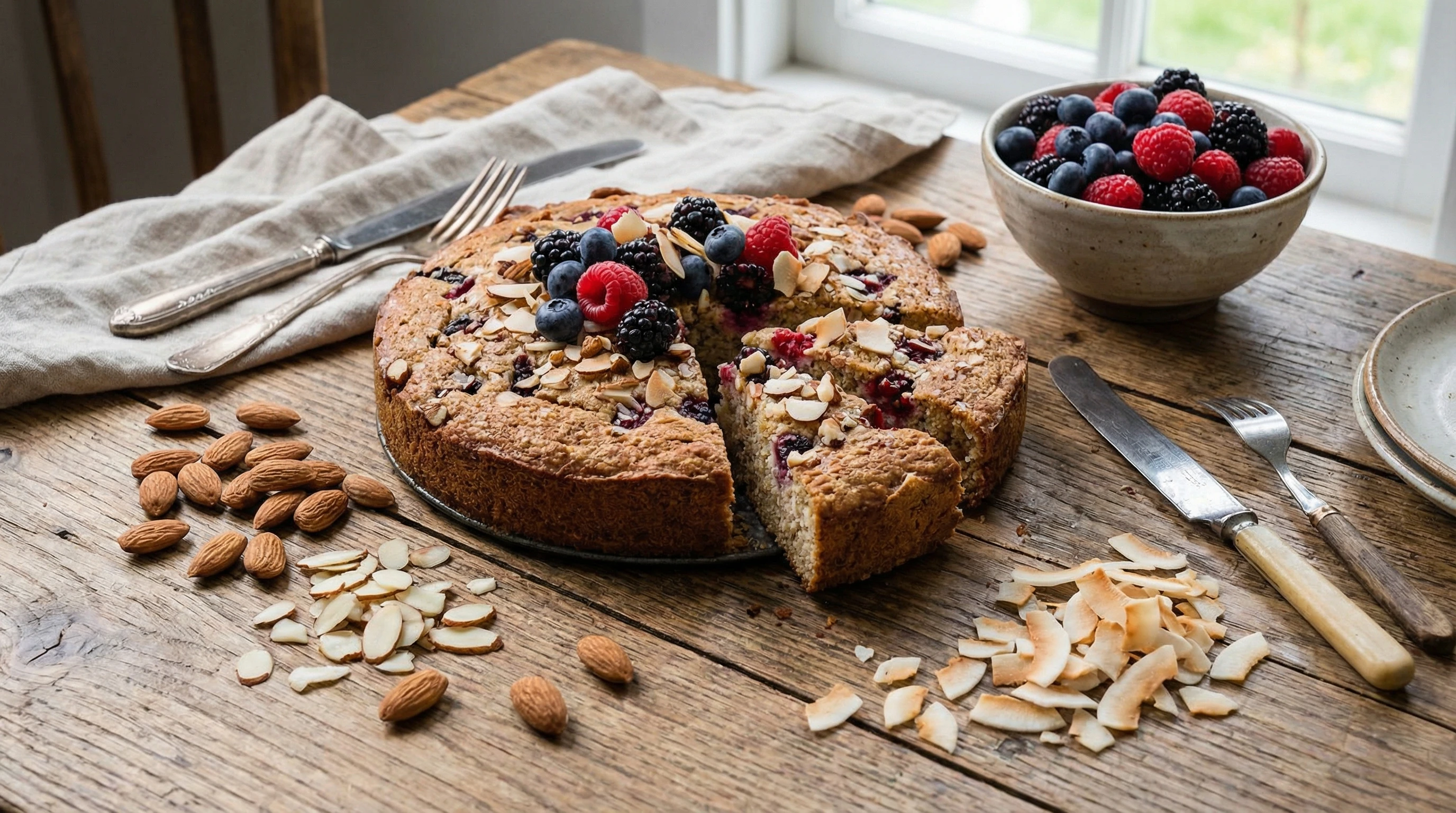
What Makes a Cake Grain-Free and Paleo?
Paleo cakes skip all grains, like wheat, rice, corn, and oats, which means no all-purpose flour, rye, or spelt. Instead, I rely on grain-free flours like almond, coconut, and cassava. These flours come straight from nuts, roots, and seeds, fitting perfectly into paleo eating—a way of eating focused on foods our ancestors could have had access to in the wild.
There’s a growing demand for grain-free and gluten-free treats, with the global gluten-free foods market expected to hit over $43 billion by 2027source. That’s helped bring a lot more choices to store shelves and easy swaps to recipes. It’s becoming common to stumble upon bakeries and cafes offering their own grain-free specials, which is super useful if you’re eating out.
Traditional baking depends on gluten for structure, but with some creativity, I’ve found that nut and root flours hold up just as well. To keep cakes truly paleo, I also keep an eye out for sneaky ingredients like refined sugars or dairy, sticking to things like honey, maple syrup, or coconut sugar as natural sweeteners.
Getting Started with Grainfree Cake Baking
Baking cakes without grains uses a slightly different toolkit, but nothing too tricky. The most common grain-free flours I reach for are:
- Almond flour: Finely ground almonds make for a moist, rich crumb.
- Coconut flour: Very absorbent, so a little goes a long way. It works best combined with other flours.
- Cassava flour: Made from the whole cassava root, it’s closest to wheat flour in texture and is completely nut-free.
A few other things help round things out, like arrowroot starch for thickening, and sometimes using extra eggs for binding, since gluten isn’t there to do that job. The first time I swapped regular flour for almond flour, I was surprised how well it held together. The trick is just to get the moisture and egg balance right.
Baking grain-free can feel a bit experimental at first, especially since these flours soak up liquids differently. Testing small batches and keeping notes on what you liked really helps. If you hit a snag, remember: each flour absorbs liquid at its own pace, so take it slow and adjust as you go to get your ideal cake consistency.
Simple Steps to Bake a Paleo Cake
- Pick the right recipe: Not all cake recipes swap cleanly for grain-free flour, so it’s worth finding recipes designed with almond, coconut, or cassava flour in mind.
- Let eggs shine: Eggs are super important for structure and moisture, so most paleo cake recipes use more eggs than traditional ones.
- Minding sweetness: Go for natural sweeteners like raw honey, maple syrup, or coconut sugar. Stevia and monkfruit work well if you’re trying to keep things low-glycemic.
- Don’t skip the fat: Healthy fats like coconut oil, ghee, or avocado oil make grain-free cakes fluffy and satisfying.
- Check doneness often: Paleo cakes sometimes bake a little faster, so start testing a few minutes early with a toothpick.
I always give grain-free cakes a chance to cool longer before trying to slice; they set up a bit as they cool, so patience pays off here. If you rush, the cake may crumble, but allowing it to cool provides a cleaner, sturdier slice.
Eye-Catching Features of Grainfree Cakes (And What to Watch Out For)
Grain-free cakes have a nice nutty flavor and a moist texture that honestly feels like a treat, not a compromise. Almond flour brings richness, coconut flour a slight tropical note, and cassava keeps things airy for people who need nut-free desserts. Each flour comes with its own perks, so you can mix things up based on what you’re craving or what allergies you’re working around.
- Almond Flour Cake: My go-to for a classic chocolate or lemon cake. Super soft and just the right density.
- Coconut Flour Cake: Slightly drier, so best for cupcakes or snack cakes; you’ll often add more coconut or nut milk for balance.
- Cassava Flour Cake: Great for a real-deal vanilla birthday cake vibe, especially for people who can’t have nuts.
One thing to keep in mind is these cakes can brown a bit darker (thanks to the nuts and natural sugars) and don’t rise quite as much as those with wheat flour. What you lose in loft, you make up for in pure flavor and a texture that can be extra satisfying for gluten-free eaters.
AllergyFriendly Tips
If you’re baking for friends or family with allergies, note that almond flour, while popular, is a tree nut product. Cassava, coconut, and even sunflower seed flours are great alternatives. Always double-check ingredient labels if cross-contamination is a concern, especially with coconut products. Also, if you’re making cake for a crowd, label your ingredients so everyone can check in with their dietary needs.
Common Challenges With Grain-Free Baking
- Dense cake: Too much almond or coconut flour makes the cake heavy. Lighten things by sifting flours well and using recipes with enough eggs or leavening (baking soda or baking powder).
- Crumbly texture: Lack of gluten can make cakes fall apart. Arrowroot starch or extra eggs help with binding and provide a more cohesive crumb.
- Dryness: Coconut flour soaks up moisture fast, so always measure carefully and don’t be shy with liquid ingredients like unsweetened almond milk or applesauce. Adding pureed fruit is another way to bump up moisture and sweetness in a natural way.
Popular Grain-Free Cake Flavors To Try
- Chocolate Avocado Cake: Rich, fudgy, and dense. Plus sneaks in healthy fats from avocado.
- Lemon Poppyseed Cake: Light and zingy, with a sweet-tart combo that suits coconut flour really well.
- Carrot Cake: A classic that’s easy to make paleo by switching in almond flour and coconut oil. The carrots add natural moisture.
- Banana Bread Cake: Almond or cassava flour works here, and the bananas naturally sweeten things up.
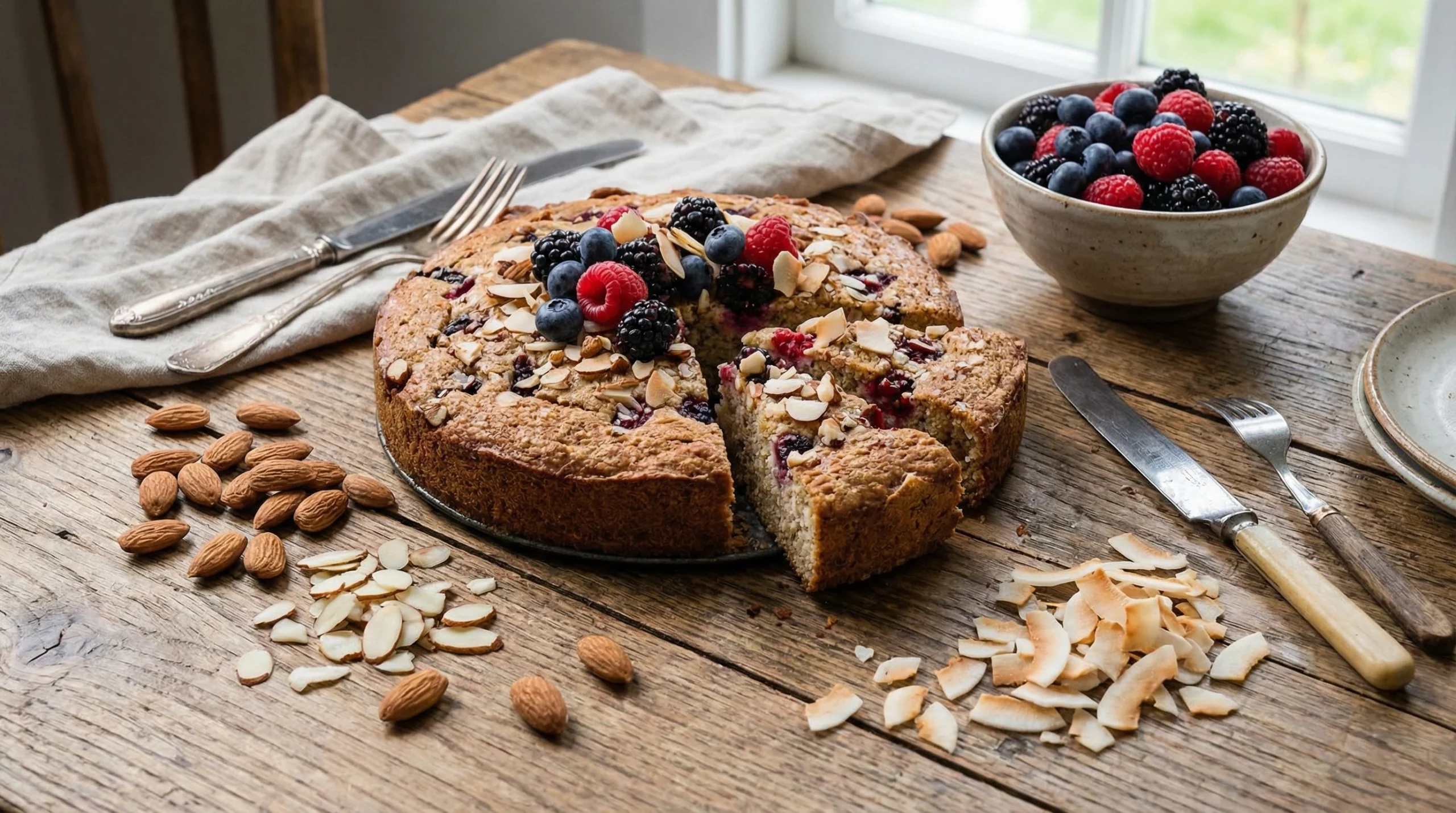
There are so many creative spins: pumpkin cake with pecans, cashew cream-frosted spice cake, or berry-topped vanilla cake. It’s easy to track down a recipe that matches your vibe for the day. Some of my favorites come from paleo recipe blogs or community cookbooks online. Recipes from sites like Paleo Running Momma or Elana’s Pantry are totally worth checking out for inspiration and beginner-friendly guidance.
Frequently Asked Questions About Paleo Cakebeginner-friendly
Question: Can I just swap wheat flour with almond or coconut flour?
Answer: It’s a bit trickier than a 1:1 swap. Almond flour replaces wheat flour well in many recipes, but coconut flour soaks up much more liquid; you’ll need less of it and more eggs or liquids. If you’re new, I suggest starting with recipes designed for grain-free flours to make the process smoother.
Question: How do I frost a paleo cake?
Answer: Traditional buttercream uses powdered sugar and dairy, so for paleo cakes I like whipped coconut cream, “cream cheese” frosting made from cashews, or ganache using pure cocoa and coconut milk. These frostings are just as tasty and keep cakes dairy-free. If you want a fruit-based topping, mashed berries with honey work great too.
Question: Can I freeze grain-free cakes?
Answer: Absolutely. Grain-free cakes freeze nicely, especially when wrapped well in plastic and then foil. Just let them thaw at room temperature or in the fridge before serving. For best texture, cut and wrap individual slices before freezing for quick desserts anytime.
Question: What kind of leaveners are paleofriendly?
Answer: Baking soda and baking powder (the kind without added cornstarch or artificial ingredients) are both used widely in paleo baking. Just make sure to check that your baking powder is grain-free, since some brands use wheat starch as a filler.
Grain-Free Cakes in Everyday Life
Making sweet treats that flow with paleo eating has made my kitchen a lot more fun, and honestly, my family doesn’t miss the regular stuff at all. I love bringing grain-free cakes to gatherings and hearing from friends who are surprised they can’t spot the difference. It’s always fun to see someone light up after trying a bite, especially those who usually avoid dessert because of food sensitivities.
If you’re new, start simple and build your confidence with a few basic recipes. Over time, you’ll figure out which grain-free flours you like best and how to achieve your favorite texture. The more you experiment, the better you’ll get at making adjustments for taste, structure, or specific dietary needs.
Paleo baking isn’t just about omitting grains; it’s a chance to try new flavors, experiment with natural sweeteners, and let your creativity take charge. With a few tips, patience, and an open mind, anyone can cook up grain-free cakes that rival even the best bakery slices. Whether you’re here for the health perks, allergy needs, or just because you enjoy a challenge, grain-free cakes are totally worth a try. From birthday parties to weeknight desserts, they fit right in and keep everyone coming back for more!