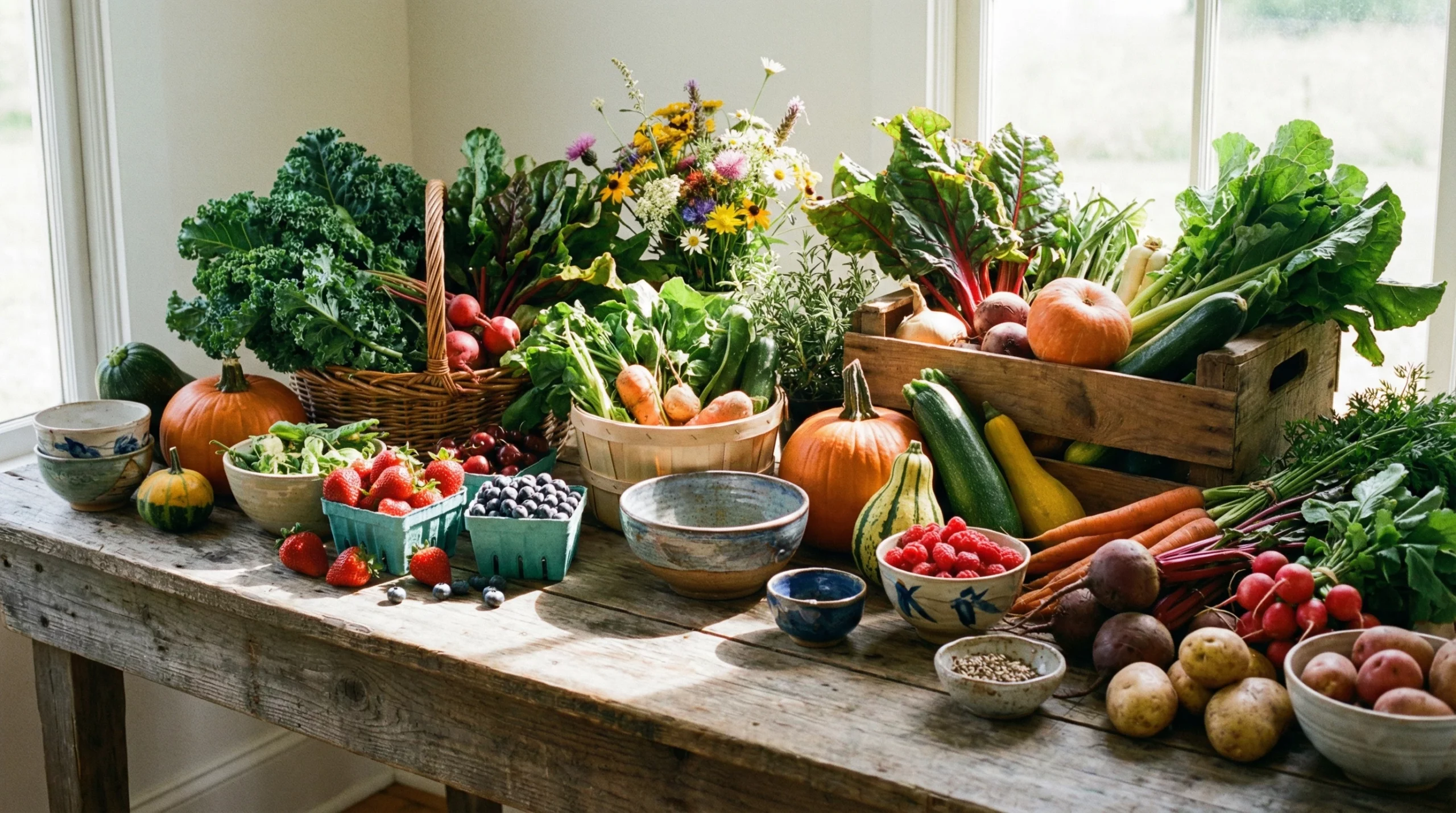
Eating seasonally is a pretty straightforward way to get more nutrition out of your food without much extra effort. By focusing on what’s fresh and in season, you’ll usually find fruits and veggies that taste better, cost less, and come packed with the nutrients your body needs. I’ll break down how to make the most out of seasonal produce, from understanding what’s in season when, to tips on storing and preparing your picks for the best nutritional payoff.
Why Seasonal Produce Shines: Nutrition and Flavor All Year Long
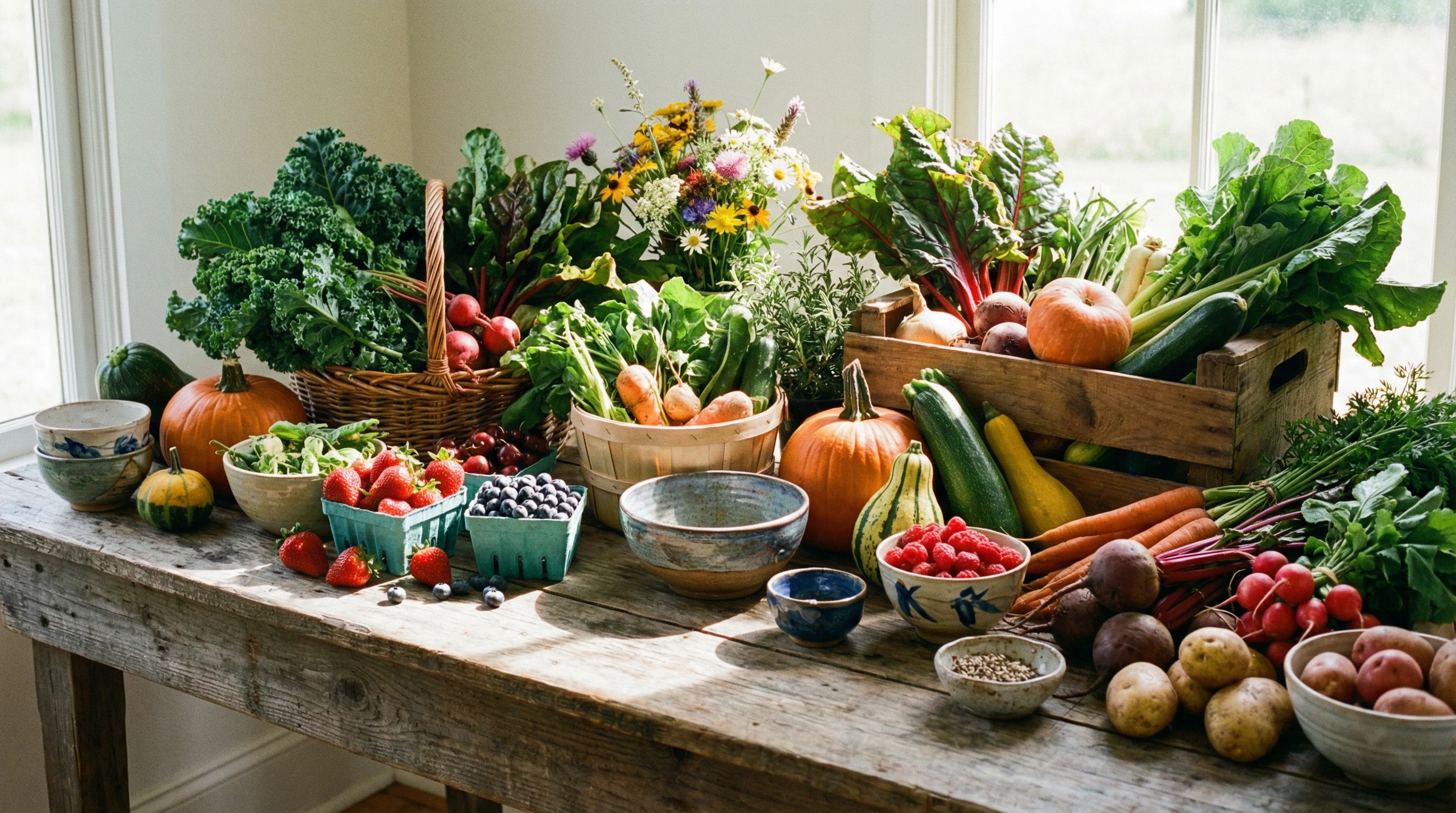
Fresh produce picked at its peak just tastes better. But there’s more to it than flavor. When fruits and veggies are grown in their natural season, they’re usually able to ripen fully on the plant or tree, soaking up all those helpful vitamins and minerals along the way. Because the produce spends less time in storage or transit, you’re more likely to get higher levels of key nutrients like vitamin C, antioxidants, and phytonutrients.
Making seasonal produce a habit can also lower your grocery bill. Foods that are grown near you and during their preferred season don’t have to travel as far, so stores can offer lower prices. It’s a neat way to support local farmers too. Plus, you cut down on greenhouse gas emissions tied to shipping, giving the environment a boost while feeding yourself well.
How To Figure Out What’s In Season: Tools and Simple Guides
Knowing what’s actually in season can feel a little confusing, since it varies by region. But there are some pretty handy resources out there. Seasonal produce charts (like the USDA’s seasonal produce guide) sort fruits and veggies by month and location. Local farmers’ markets, community-supported agriculture boxes, or even a chat with the produce manager at your store are all good ways to spot what’s freshest right now. Here’s a quick look at what you’ll find in many areas during each season:
- Spring: Asparagus, spinach, peas, strawberries, radishes
- Summer: Tomatoes, berries, zucchini, corn, peaches
- Fall: Apples, sweet potatoes, pumpkins, Brussels sprouts, pears
- Winter: Citrus fruits, kale, beets, carrots, winter squash
Understanding the Nutrition Benefits by Season
The nutrients found in produce switch up with the seasons. Spring greens like spinach or arugula deliver loads of folate and vitamin K, which help with cell growth and bone health. Summer fruits, such as blueberries, watermelon, and peaches, are packed with hydrating water content and powerful antioxidants to protect your cells, especially when you’re out in the sun more often. Once fall rolls around, heartier squash and root veggies step in, bringing you complex carbohydrates, fiber, and immune-supporting beta carotene. Winter’s leafy veggies and citrus fruits provide vitamin C and iron, both pretty important for fending off colds and feeling energetic during the colder months. And don’t forget, seasonal eating means you naturally add more color and variety to your meals, which is fantastic for general health.
Practical Tips for Buying and Storing Seasonal Produce
There’s nothing worse than bringing home beautiful produce only to have it wilt or spoil before you can eat it. Here are a few tricks I use to stretch my seasonal haul a little further:
- Inspect for freshness: Look for bright colors, firmness, and a fresh scent. Skip items with bruises or soft spots.
- Don’t overbuy: It’s tempting to stock up, but produce is best enjoyed fresh and won’t always last long, especially when it wasn’t bred for long-distance travel.
- Store wisely: Berries love the fridge, but tomatoes and peaches stay tastier on the counter. Leafy greens last longer wrapped in a dry paper towel and placed in a produce bag. Root veggies do well in a cool, dark place.
- Freeze extras: If you find yourself with more than you can use, many fruits and veggies freeze well for smoothies, soups, and stir-fries later on.
Cooking Methods That Boost Nutrition
The way you prep and cook fruits and veggies impacts their nutritional value. Certain vitamins (like vitamin C and some B vitamins) are water-soluble and can break down with heat or leach into cooking water. To get the best from your haul, try these ideas:
- Quick steam or microwave: Keeps more nutrients compared to boiling.
- Roasting: Brings out natural sweetness and keeps fiber and minerals intact.
- Eat some raw: Toss fresh produce into salads or snacks, especially things like bell peppers, carrots, or leafy greens.
- Use the whole veggie: Edible peels and stems (like broccoli stalks or beet greens) deliver bonus fiber and vitamins.
Common Roadblocks and How to Handle Them
Sometimes, eating seasonally isn’t as easy as grabbing whatever you want off the shelf. Here are a few typical pain points, with some tips for working around them:
- Limited variety in winter: Frozen fruits and veggies are a lifesaver. They’re picked at peak ripeness and usually flash frozen, locking in most nutrients.
- Short shelf lifelow-pressure: Plan out meals or snacks at the start of the week to help use up your produce while it’s at its best.
- Not sure how to cook it: Search for simple recipes or inspiration from your favorite food bloggers. There’s always something new to try, from spiralizing zucchini to roasting root veggies.
- Kids (or picky adults): Try blending extra produce into sauces, soups, or smoothies for a sneaky nutrition bump.
Storing Produce for Peak Freshness
Getting the most nutrition isn’t just about what you buy, but how you keep it. Fridges should run at or below 40°F to keep produce crisp and slow spoilage. Keep apples, pears, and bananas away from more sensitive produce. These fruits give off ethylene gas, which can speed up ripening, and even rotting, in others. Storing hearty greens and herbs with a little moisture (think rinsed, wrapped in a towel) will keep them lively for days.
Freezing and Preserving Seasonal Goodies
If you pick up a giant box of peaches or berries, prepping them for the freezer is a great way to stretch your haul into the offseason. Just wash, dry, and slice before freezing on a tray so they don’t clump together. Seasonal veggies like corn, greens, or beans do well if you blanch them briefly before tossing in the freezer. Homemade jams and pickles also let you savor eye-catching summer produce all year—try small batches for a fun kitchen project.
Smart Shopping and Meal Planning Strategies
Making the most of seasonal goods is easier if you plan meals that use up your haul. Jot down a few flexible recipes, like stirfries, soups, or grain bowls, that let you swap in whatever’s freshest. Shopping at local markets or joining a CSA often encourages you to try new foods, and you’ll develop a sense of what’s becoming available each week. Another tip: look for seconds or “imperfect” produce, which is often just as tasty—and more affordable—than the picture-perfect kind.
If you’re new to unfamiliar produce, small taste tests are helpful. Pick up just one or two pieces to try without committing to a full bag. This keeps things low-pressure and opens up new foods you might end up loving.
How Using Seasonal Produce Plays Out in Daily Life
Sticking with the seasons isn’t just for fancy cooks or foodies. I’ve found that summer tomatoes from a local stand don’t compare to the watery, bland kind you get midwinter. Zucchini and strawberries turn up everywhere in early summer, which means they’re cheap, sweet, and super easy to work into everything from breakfast to dinner. In winter, roasted root vegetables with a squeeze of lemon feel comforting and make up for all the heavy holiday food.
Here’s how others are using this approach:
- Simple snacks: Sliced cucumber, radish, or apple for school or work lunches
- One pan meals: Tossing whatever looks great into the oven with a little olive oil and seasoning
- Quick smoothies: Blending frozen berries and leafy greens for nutritious starts to the day
- Batch cooking: Cooking up a big pot of veggie chili or stew with whatever’s freshest
Frequently Asked Questions
People often have a few burning questions about eating seasonally, so here’s what comes up a lot:
Q: Can eating seasonally really save money?
Yes! In-season foods tend to be more affordable because they’re plentiful and haven’t racked up extra shipping costs. Shopping local and looking for weekly specials will help you stretch your grocery dollars further.
Q: Is frozen produce less healthy than fresh?
Not at all. Frozen fruits and veggies are usually harvested and frozen quickly, which keeps their nutrients high. They’re definitely worth using, especially when fresh options are slim.
Q: What do I do with unfamiliar produce from my CSA box or market?
Start with a recipe search, or ask the grower for a simple prep tip. Roasting and stir-frying often work for a wide range of veggies if you’re not sure.
Make the Most of Every Season’s Harvest
Switching up your diet with seasonal produce gives you more nutrients, better flavor, and a break for your wallet. Beyond that, it’s a chance to get creative in the kitchen and connect with local growers. So next time you’re shopping, scan for whatever looks fresh and vibrant. You might be surprised at how much more enjoyable, and nutritious, your meals become—plus, adapting to what the season offers brings a bit of excitement back to your table following the natural rhythm of the year!