Native American cuisine brims with rich stories, unique flavors, and deeply rooted traditions. Indigenous ingredients are at the core of these culinary adventures, connecting people and land through food. Checking out these ingredients gives you a taste of diverse cultures, histories, and an impressive wealth of flavors found nowhere else. Here, I’ll walk you through what makes Native American food worth exploring, the staple ingredients that define it, practical tips for using these ingredients at home, and a closer look at key dishes and techniques you’ll want to try.
What Makes Indigenous Ingredients Unique?
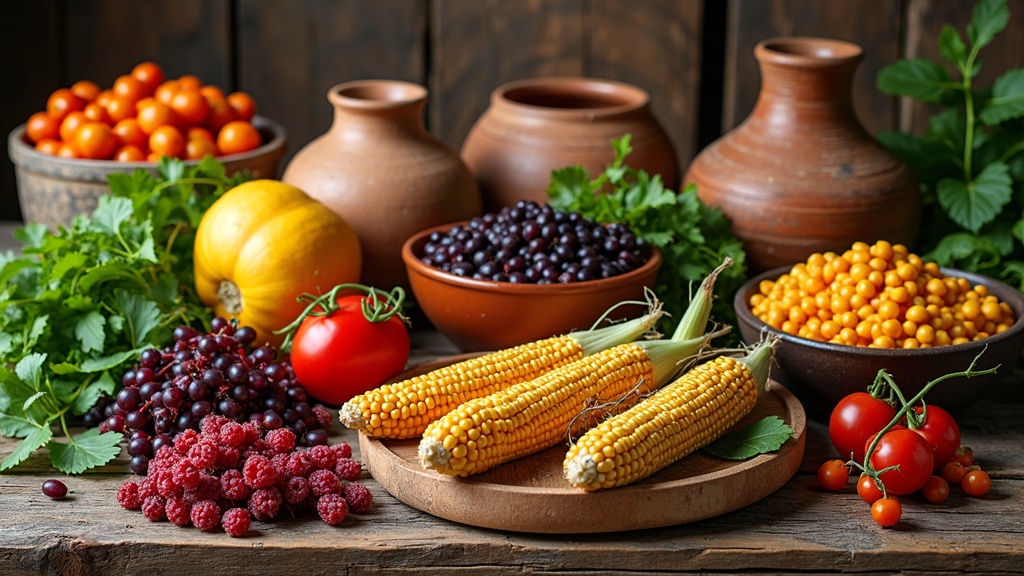
Indigenous American foods have shaped entire cuisines across the continent. Using local and seasonal ingredients respects nature and creates the foundation for simple, nutritious, and flavorful meals. Key crops like corn, beans, and squash, sometimes called the “Three Sisters,” were carefully cultivated for thousands of years, weaving themselves into meals and culture alike. Add in wild ingredients like berries, fish, or nuts, and you get a menu overflowing with both diversity and nutrition.
Eating with Indigenous ingredients usually means using what’s fresh, foraged, and close to home. This approach built a food system that was sustainable long before local eating became a popular movement. Cooks made use of what was available in their environment, developing amazing techniques for preservation and giving food a boost with natural flavors. The result is practical, delicious food, tied to the story of each region.
The significance of Indigenous foods stretches far beyond the dinner table; they carry meaning, connection, and even a kind of quiet resistance. Many communities today are breathing new life into these traditions as a way to preserve culture and encourage healthier eating habits. If you’re looking for an authentic experience that’s as nourishing for the mind and soul as for the body, this is definitely a cuisine to check out.
Staple Indigenous Ingredients and Their Role
Some ingredients pop up again and again in Native American recipes. Knowing just a handful will help you spot the backbone of many dishes:
- Corn: This isn’t just a delicious grain. Corn is a workhorse ingredient that can be ground (for masa or hominy), roasted, or boiled. It’s the staple for tortillas, breads, and porridges across Indigenous North America.
- Beans: Beans supply protein and energy, often cooked with corn and squash. They’re used in soups, stews, and simple sides. Each community favors a different variety, from tepary to pinto or black beans.
- Squash: Both summer and winter squash varieties are roasted, steamed, or turned into soups. Seeds add extra crunch and nutrition.
- Wild Rice: Far from the supermarket kind, true wild rice is hand-harvested and distinctive. It’s a nutty, chewy grain used in everything from salads to pilafs among Northeastern and Great Lakes peoples.
- Game Meats and Fish: Think bison, venison, rabbit, turkey, and freshwater fish. Before ranching, wild game was the essential protein in nearly every region. Smoked or dried meats, like jerky or pemmican, became key nutrition on long journeys.
- Berries and Wild Fruits: Blueberries, chokecherries, cranberries, and serviceberries find their way into desserts, drinks, and wild jams. Foraging for berries is still a popular activity in many Indigenous communities today.
- Nuts and Seeds: Sunflower seeds, pinenuts, acorns, and even hazelnuts are crushed into pastes, sprinkled on porridge, or added to stews.
- Maple and Agave Syrups: Sourcing sweetness from trees or succulents was the go-to method before refined sugars were popular. Maple sugar or syrup is especially loved in Northeastern tribes, while agave plays a big role in the Southwest.
You’ll pick up on a real respect for balance. Dishes often combine grains, beans, and squash for complete nutrition. Many communities still gather, save, and pass on seeds, keeping traditions and biodiversity alive. Want to dig into these topics further? The First Nations Development Institute offers some awesome resources: firstnations.org.
Cooking Techniques and Preserving Methods
Traditional Indigenous cooking is all about adaptability. Cooks worked with open fires, clay ovens, steam pits, or even direct heat. Here are a few common techniques:
- Roasting and Baking: Whole squash or corn goes right into coals or stone ovens. Making frybread starts panfried but often has roots with open-flame cooking.
- Steaming: Maize, roots, and fish are steamed with natural materials like cornhusks or seaweed, lending a grassy flavor to the food.
- Drying: To stash food for later, people dried corn (for grits), meat (for jerky), and berries. Drying in the sun or smoking over a fire keeps nutrients packed inside and makes storage easier. This matters when living seasonally.
- Stone Grinding: Grains and seeds are ground on flat stones, which makes it easy to cook up tamales, corn cakes, or mush.
These techniques are simple enough for home cooks. They don’t need fancy equipment and are great for meal prepping and batch cooking, giving you both flavor and convenience.
Classic Dishes Worth Trying
Native American recipes range from simple stews to intricate ceremonial dishes. Some recipes are so loved that their modern versions hardly differ from their ancient origins. Check out these favorites:
- Three Sisters Stew: Packed with corn, beans, and squash, plus onions, garlic, and sometimes wild greens. The dish is filling, high in plant protein, and super easy to tweak at home.
- Bison or Venison Stew: Tender cuts of meat slow-cooked with root veggies, wild rice, and herbs. This hearty dish brings the best of rustic flavors to your table.
- Pemmican: Once the ultimate energy food, pemmican is a combination of dried meat, fat, and dried berries. It’s portable and long-lastingslow-cooked, making it a smart snack for outdoor adventures.
- Navajo Frybread: Not ancient, but frybread is iconic within Indigenous communities. Light and fluffy, it’s delicious with honey, beans, or used as a taco base. Since frybread is connected to colonial history and food rations, it’s often discussed thoughtfully as part of a bigger story around Indigenous foods.
- Wild Rice Salad: This vibrant dish is tossed with nuts, berries, a maple vinaigrette, and plenty of greens, serving as a side or a hearty main. Check out a recipe from The Sioux Chef (sioux-chef.com) for inspiration.
Beyond these classics, many tribes have their own signature recipes, from cedarplanked salmon in the Northwest to spicy posole in the Southwest. Add a few of these to your own rotation for a taste of regional diversity.
Getting Started Cooking With Indigenous Ingredients
Want to get into Native American cuisine? Here’s how to make it easy:
- Stock Up on Staples: Keep dry beans, wild rice, squash, or whole corn handy. Specialized stores and online shops like Iowa Corn and Purcell Mountain Farms are excellent sources.
- Try Simple Recipes First: Start with a bean stew or a wild berry compote. Let fresh flavors shine, and don’t hesitate to keep things straightforward.
- Look for Fresh, Seasonal Foods: Farmers’ markets are great for squash, beans, and wild greens. If wild foraging is safe and allowed near you, it’s a rewarding way to connect with your local landscape.
- Experiment with Preservation: Give sun-drying herbs or beans a go, or try out a batch of jerky. These old-school skills are fun to learn and come in handy.
It can help to keep a small notebook for flavor ideas, ingredient tweaks, or recipes you want to try next. Document what you love, and soon you’ll have your own custom collection of Indigenous-inspired meals.
Common Challenges and How to Tackle Them
New cooks might find unfamiliar ingredients or true wild foods a little intimidating at first. Here’s how to make things easier:
- Access to Ingredients: Tepary beans or wild rice might not be in your regular grocery store. Check out local co-ops or online shops. Indigenous-run brands like Ramona Farms (ramonafarms.com) serve up authentic products and support Native communities.
- Special Tools: You don’t need a traditional grinding stone at home—a food processor or coffee grinder is more than enough for most cooking basics.
- Respect and Representation: Cooking has meaning beyond the plate. Learn about the stories behind the dishes, give credit where it’s due, and support Native people and businesses to bring a layer of respect and care to your cooking.
With flexible thinking and an open mind, anyone can enjoy and celebrate Indigenous flavors. Native American cookbooks, such as “The Sioux Chef’s Indigenous Kitchen” by Sean Sherman, provide step-by-step guidance and plenty of context for curious home cooks.
Frequently Asked Questions About Native American Cuisine
If you’re getting started with Indigenous cooking, you probably have a few questions. Let’s cover some common ones:
Question: Are Indigenous foods gluten-free?
Answer: Most traditional recipes use naturally gluten-free grains like corn, wild rice, and beans. If you’re sensitive, check for modern flour blends in recipes such as frybread, but most basics are good to go.
Question: Where can I learn more about authentic recipes and cooking methods?
Answer: Check organizations such as the First Nations Development Institute or cookbooks from Native authors for trustworthy and delicious recipes.
Question: Is it possible to make these dishes vegetarian?
Answer: Absolutely! Many classic meals (such as Three Sisters Stew or wild rice salad) are already plant-based, and you can easily substitute extra beans, mushrooms, or squash for meat in almost any recipe.
Bringing Indigenous Ingredients Into Your Kitchen
Cooking with Native American ingredients means exploring fresh flavors, respecting regional traditions, and broadening your culinary approach. It’s a rewarding way to learn about culture, sustainability, and history. Try adding a few of these ingredients to your next meal; you might stumble upon a new favorite in the process.
Tapping into Indigenous ingredients brings a sense of connection that’s hard to find elsewhere. Sample, taste, and enjoy the adventure!

This was such a heartfelt piece, Dan. You didn’t just write about food, you wrote about memory, connection, and respect for the land. I could almost feel the warmth of the fire and smell the corn roasting. The way you explained the “Three Sisters” — corn, beans, and squash — felt like a life lesson on balance and unity, not just a recipe.
You reminded me that food is history, and cooking is a quiet way of saying thank you to those who came before us. I think if more people cooked with that kind of awareness, we’d treat both the earth and each other with more care.
Cheers!
John
What a rich and thoughtful exploration of Indigenous cuisine. I really appreciate how you framed these foods not just as ingredients, but as living connections between land, history, and community. The “Three Sisters” approach fascinates me — it’s such an elegant model of sustainability and nutrition that modern agriculture could learn a lot from.
I think what stands out most is how Native food traditions embody balance and respect for the earth. Cooking with these ingredients feels less like following a recipe and more like participating in a story that’s been unfolding for centuries. Reviving and honoring these methods isn’t just about flavor — it’s about cultural continuity and gratitude for where our food comes from.