If you’re a pasta lover looking to stick with a low-carb lifestyle, there are plenty of tasty ways to enjoy your favorite dishes without feeling like you’re missing out. I’ve tried quite a few of these swaps myself, and I’m always surprised at how satisfying and creative low-carb pasta substitutes can be. Here, I’ll walk you through the basics, popular options, ways to work with each substitute, as well as some practical tips to make your pasta nights lighter on carbs but still big on flavor.

Getting to Know Low-carb Pasta Substitutes
Plenty of people are cutting back on carbs for different reasons, from managing blood sugar to working on weight goals. But giving up classic dishes like spaghetti Bolognese or creamy fettuccine can be tough. That’s why low-carb pasta substitutes have taken off. You get the comfort food feeling, but with way fewer carbs per serving. Most of the time, these swaps don’t have the familiar taste or texture of wheat pasta, but they do come with their own perks, especially when paired with rich sauces and toppings.
The low-carb pasta market has exploded, with options you can easily make at home or find in pretty much any grocery store. People are getting creative, and the choice now extends far beyond zucchini noodles. Some substitutes are made from veggies, while others use plant-based fibers or even legumes. The key is finding one (or a few) that work for your taste buds and your favorite recipes. And since there are so many options out there, you can always mix things up until you find your new go-to.
Popular Low-carb Pasta Alternatives
Here are the most common options I’ve tried and why they’re worth checking out:
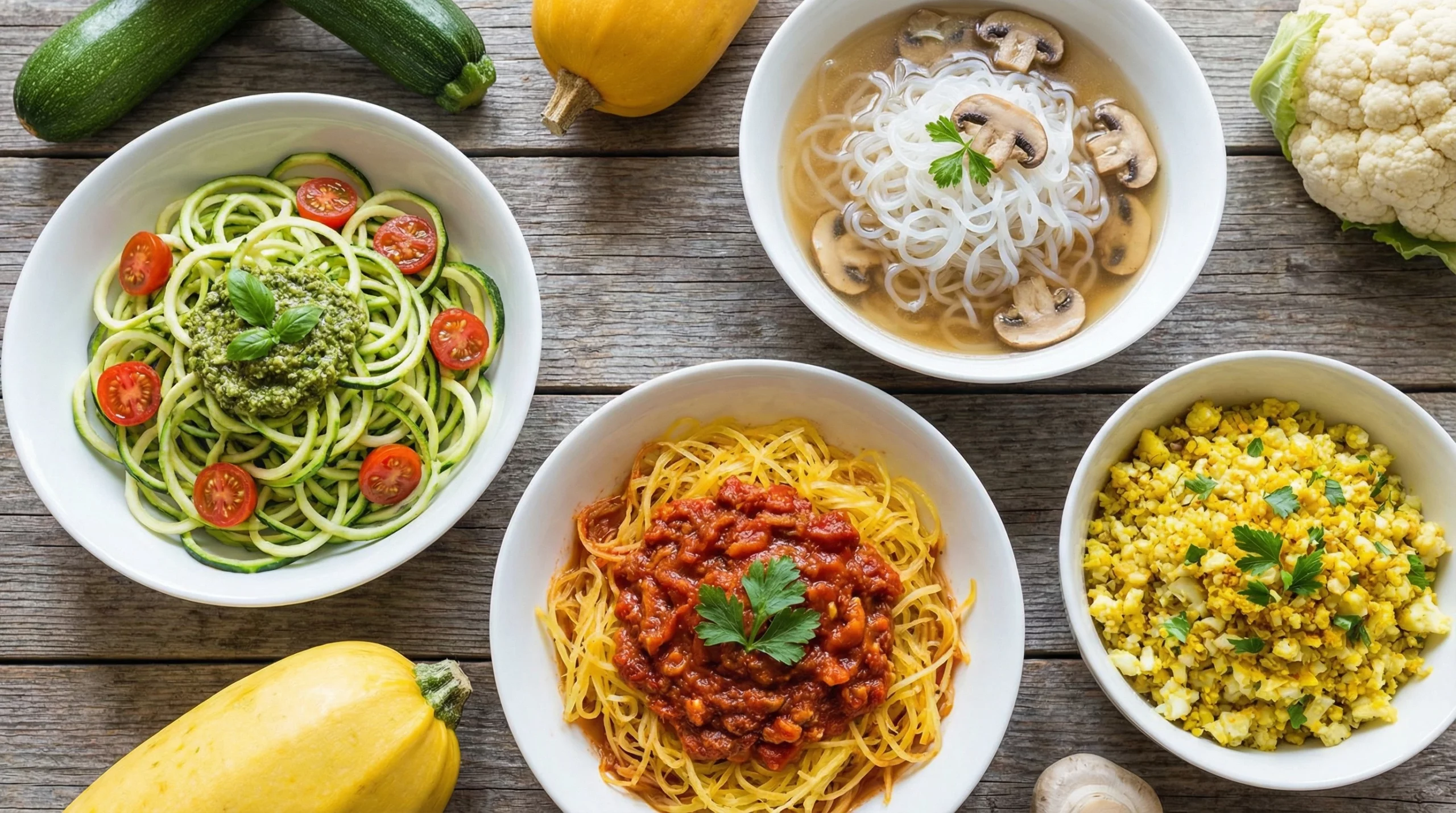
- Zucchini Noodles (aka “Zoodles”): Spiralized zucchini makes for a fresh, light alternative. It has a mild taste and works well with most sauces.
- Shirataki Noodles: These long, translucent noodles are made from the konjac root. They’re super low in carbs and calories and have a chewy, springy texture.
- Spaghetti Squash: When cooked, the flesh of this squash separates into thin, pasta-like strands. It’s a little sweet and a bit nutty.
- Palmini (Hearts of Palm Noodles): Sliced thin from a palm plant, these canned or packaged strips are pretty neutral and sturdy.
- Cauliflower Rice or Gnocchi: Not exactly noodles, but riced or mashed cauliflower makes a nice substitute, especially in baked dishes or creamy sauces.
- Eggplant Lasagna Sheets: Thinly sliced eggplant works really well as a stand-in for lasagna noodles.
- Store-bought Low-carb Pasta: Many brands offer dried or fresh pasta made with almond flour, soy, chickpea, or lupini beans, all with fewer carbs than regular pasta.
How to Use Each Substitute in Traditional Pasta Recipes
Switching to low-carb pasta is mostly about making a simple swap, but a few tricks help with flavor and texture. To get the most out of each substitute, pay attention to how you prepare them, as each has its own quirks.
Zucchini Noodles
I love using a spiralizer for zoodles, but a julienne peeler or mandolin does the job too. Patting them dry after cutting helps keep sauces from watering down. Zoodles only need a quick sauté (just a minute or two) or a brief dip in boiling water. They’re great with pesto, tomato sauces, and Asian-inspired stir-fry sauces. Zoodle recipes are all over the place if you want inspiration.
Shirataki Noodles
These come packed in water and have a unique texture. Honestly, there’s a bit of a fishy smell at first. Rinsing and boiling, or even dry-frying them in a nonstick pan, gets rid of the odor and helps the noodles soak up flavors better. Because they’re almost all fiber, they fill you up fast. They’re especially nice in Asian noodle dishes, but heavier sauces like Alfredo also work. If you want a deep jump in, check out this guide from Medical News Today.
Spaghetti Squash
Roasting spaghetti squash brings out the best flavor. Just slice it, scoop out the seeds, rub with olive oil, and roast until tender. After cooling, use a fork to pull out spaghetti-like strands. I usually load mine with marinara, meatballs, or mix it into casseroles for a low-carb twist on baked spaghetti. You can also try stuffing the squash with different proteins for a hearty meal.
Palmini and Hearts of Palm Noodles
These have a firmer bite and hold their shape in baked dishes, making them perfect for low-carb lasagna. I’ve also tossed them with olive oil, garlic, and parmesan for a really easy dinner. They need little to no cooking, just rinse well, drain, and warm them up. If you like experimenting, try using them in cold pasta salads or with spicy arrabbiata sauce for something different.
Cauliflower Rice or Gnocchi
Riced cauliflower stands in for tiny pasta shapes or grains, like in risotto or pilaf. Cauliflower gnocchi is sold frozen in many stores, and while the texture isn’t like traditional potato gnocchi, it bakes up nice and crispy on the outside and is great with tomato or cheese sauces. Baked casseroles or mac and cheese-style dishes turn out really well using mashed or riced cauliflower. You can also blend cauliflower rice with herbs and spices for added flavor.
Eggplant Lasagna Sheets
Thin slices of eggplant, grilled or roasted, become flexible enough to stack in place of noodles. Layer with ricotta, mozzarella, and tomato sauce for a rich, low-carb lasagna. I’ve found it helps to salt and drain the eggplant before cooking, which removes some bitterness and extra moisture. This swap is also great in moussaka or other baked dishes needing a sturdy “pasta” layer.
Prepackaged Low-carb Pasta
If you’re craving something closer to traditional noodles, low-carb pastas made from almond flour, soy, or beans are convenient. Cook times and texture vary, so always follow package instructions. Chickpea or lentil pasta tends to be a bit softer, while almond flour pastas are firmer. These are handy for any sauce or dish where you’d use regular pasta. Keep in mind, some brands offer added protein or fiber, which can give your meal an extra boost.
What to Watch for When Swapping in Low-carb Pasta
Finding a low-carb pasta substitute you actually love can take a bit of trial and error, so I like to keep a few things in mind:
- Texture: Most low-carb options won’t give you the exact al dente bite of wheat pasta. It’s about finding a mouthfeel you enjoy and saucing accordingly.
- Flavor: Some options like shirataki or hearts of palm are very neutral, while veggies add their own flavor. Heavier sauces or bold seasonings work better with milder options.
- Prep Time: Spiralizing, roasting, or salting veggies takes a few extra minutes, but the process isn’t hard once you get used to it. Having the right tools on hand can really smooth the way.
- Nutritional Value: Veggie-based substitutes add fiber, vitamins, and minerals, making them a pretty healthy swap. Some prepackaged low-carb pastas are more processed, so I like to check ingredient labels for added starches or fillers.
Cooking Tips for Better Results
- Don’t overcook; most veggie substitutes turn mushy fast.
- A quick toss in a hot pan with a little olive oil makes a big difference in flavor and texture.
- Taste as you go and adjust seasonings; some swaps need a little extra salt or acid (like lemon juice) to make the flavors pop.
- Experiment with herbs, spices, and cheese to keep things lively for your taste buds.
Low-carb Pasta Substitutes in Real-World Recipes
I’ve had the best luck using these swaps in dishes with lots of sauce, cheese, or protein, since these help create the comfort food vibe that makes pasta night fun. Here are some of my favorite ideas to get you started:
- Zoodles Alfredo or Carbonara, creamy sauces work well on these tender strands.
- Spaghetti Squash Primavera loaded with sautéed veggies and Parmesan.
- Eggplant Lasagna with ricotta and meat sauce, my go-to for a lighter bake.
- Cauliflower Gnocchi or Rice baked with tomato sauce and mozzarella.
- Asian Stir-Fried Shirataki with sesame oil, soy sauce, and veggies.
Pairing these with bold flavors and hearty ingredients keeps meals interesting even without the carbs. For extra recipe inspiration, EatingWell has a nice collection. You’ll find everything from classic Italian-style dishes to new fusion ideas that push the envelope on what pasta night can look like.
Frequently Asked Questions
Here are a few things I’m asked most often about low-carb pasta swaps:
Question: Are low-carb pasta substitutes filling?
Answer: I’ve noticed veggie-based options like zoodles or spaghetti squash don’t stick with me as long as regular pasta, but pairing them with a protein source (chicken, beef, tofu) makes the meal more satisfying. Shirataki noodles are surprisingly filling, thanks to their fiber.
Question: Are these options gluten-free?
Answer: Most veggie-based pasta substitutes are naturally gluten-free. Always check packaged products to be sure if gluten is a concern.
Question: Can I freeze low-carb pasta substitutes?
Answer: I usually make these fresh, since freezing can mess with the texture of veggies like zucchini. Precooked or packaged pastas typically freeze better, especially if you want to prep meals ahead.
Trying Low-carb Pasta: A Fun (and Tasty) Experiment
Switching up your pasta game with low-carb substitutes makes it easy to enjoy your favorites without worrying about a carb overload. Each swap has its own vibe, so there’s something for every recipe and every mood. I still love a bowl of classic pasta now and then, but these low-carb options are pretty handy for lighter dinners or when you’re watching your numbers. If you’re curious, give a couple of these a shot. You might just surprise yourself with a new favorite! And remember, making small changes can add up to big results on your health adventure, one tasty meal at a time.