Dealing with social events when you care about your health can feel tricky, especially if gatherings revolve around food, drinks, and other social pressures. Building what I call “healthy literacy”—a mix of social savvy and basic health knowledge—is a game changer. By blending confidence, practical tips, and mindful choices, you can enjoy parties, family dinners, work mixers, or even weddings without feeling awkward or left out.
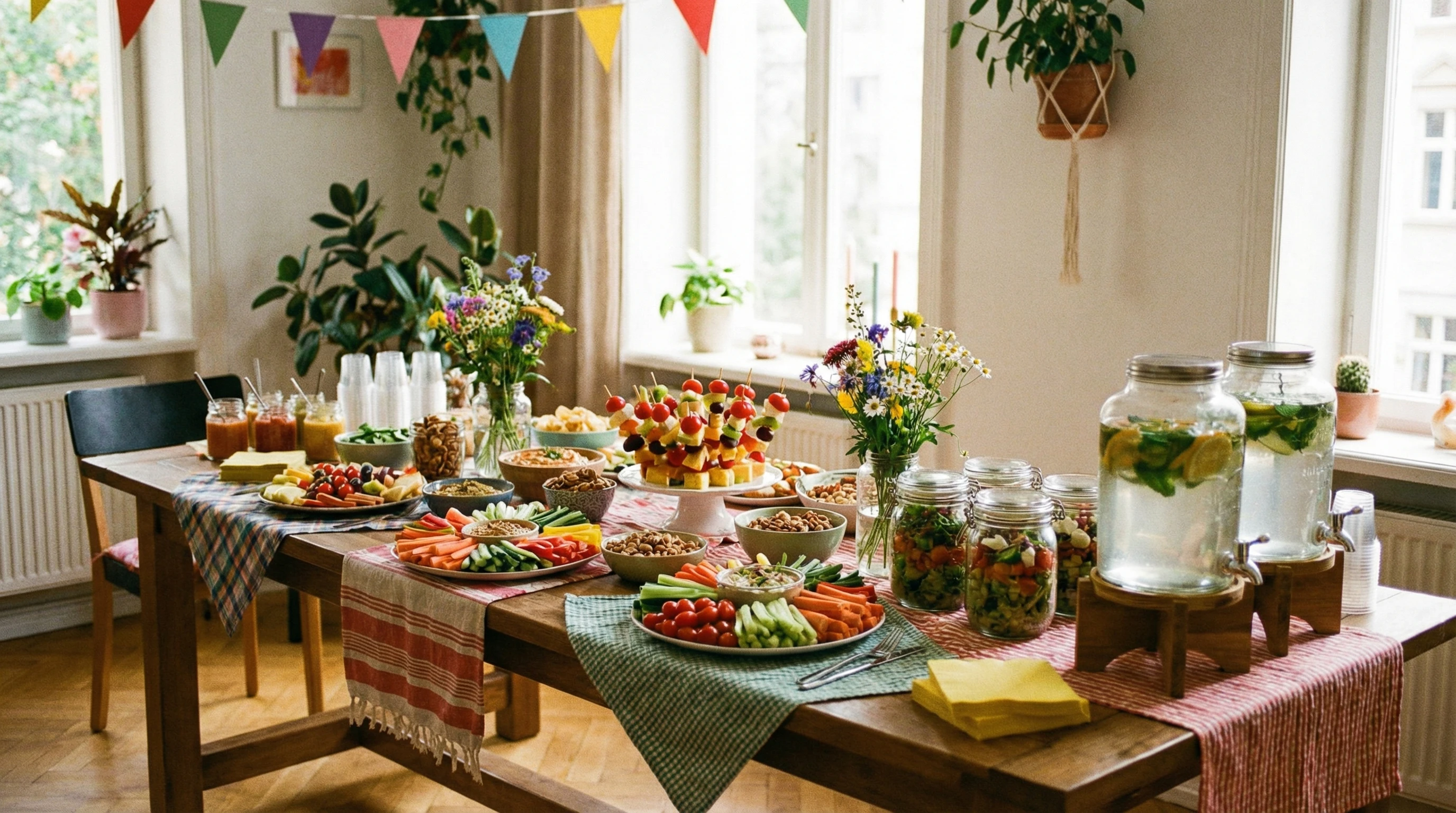
Why Healthy Literacy Matters at Social Events
Social gatherings often push me right up against all kinds of choices: snacks, desserts, drinks, late nights, and a whole buffet of expectations. Knowing how to make good decisions without making myself or others uncomfortable is a super important skill. Healthy literacy means more than just knowing what’s “good” or “bad” for you. It’s about understanding the bigger picture: how to ask questions, read cues, set boundaries, and still take part in all the fun.
The Centers for Disease Control and Prevention (CDC) point out that health literacy involves both understanding health information and using it in everyday situations. When I think about social events, this means balancing enjoyment with my own well-being and feeling confident handling all kinds of environments. Studies even show that people with a higher level of health literacy tend to handle these challenges with less stress and more success (CDC).
In my experience, healthy literacy isn’t just about what to eat and what to avoid. It’s learning to steer conversations, participate without worrying about what other people think, and setting boundaries so you can enjoy social events your own way.
Building Blocks of Healthy Social Navigation
Understanding the basics behind healthy choices and social comfort helps take the pressure off. Here’s what I focus on every time I walk into a new social gathering:
- Know Your Basics: Being clear about my health needs, such as avoiding certain foods or managing my energy, makes it easier to plan.
- Reading the Room: Noticing what kind of event I’m walking into—casual or formal, buffet or sitdown—helps shape my plan.
- Setting Boundaries: I practice polite ways to decline or ask for alternatives, so I can stay true to my needs without drawing too much attention.
Additionally, the habit of reflecting in advance on your goals can help you head into an event with a positive mindset. Thinking about what you’d like to get out of the gathering—whether it’s making connections, relaxing, or just having a good time—can help you focus less on food and more on enjoying yourself.
Quick Guide: Healthy Literacy Tactics for Social Events
Getting comfortable with social events is easier with a handful of simple, action-ready habits. Here are the steps I use to keep things smooth and fun:
- Eat Before You Go: Having a light meal or snack before showing up takes the edge off hunger, so I’m less likely to go overboard on party treats.
- Bring a Healthy Dish: When it’s a potluck or casual event, I’ll bring a dish I know I love—that way, I always have a safe and tasty option.
- Scan the Table First: I get the lay of the land before filling my plate. Picking a few favorites and adding veggies makes for a balanced plate.
- Practice Polite Declines: I keep ready phrases for when someone encourages me to try something I’d rather skip, like, “That looks great, but I’m just pacing myself tonight.”
- Stay Hydrated: Keeping a glass of water (or seltzer) in hand is super useful and helps curb mindless snacking.
Along with these steps, remembering to breathe and stay relaxed eases social nerves. Using these tips, I manage to relax and focus on company and conversation, which is really what makes any event memorable.
Common Challenges at Social Events, and How to Handle Them
Social events throw all kinds of curveballs my way, especially if you’re considered “the healthy one” among friends or family. Here are challenges I regularly bump into, with a few ways to smooth things out:
- Peer Pressure: Well-meaning friends can make it tough to say no. I’ve found it helps to stand firm and repeat my reason briefly, without apologizing.
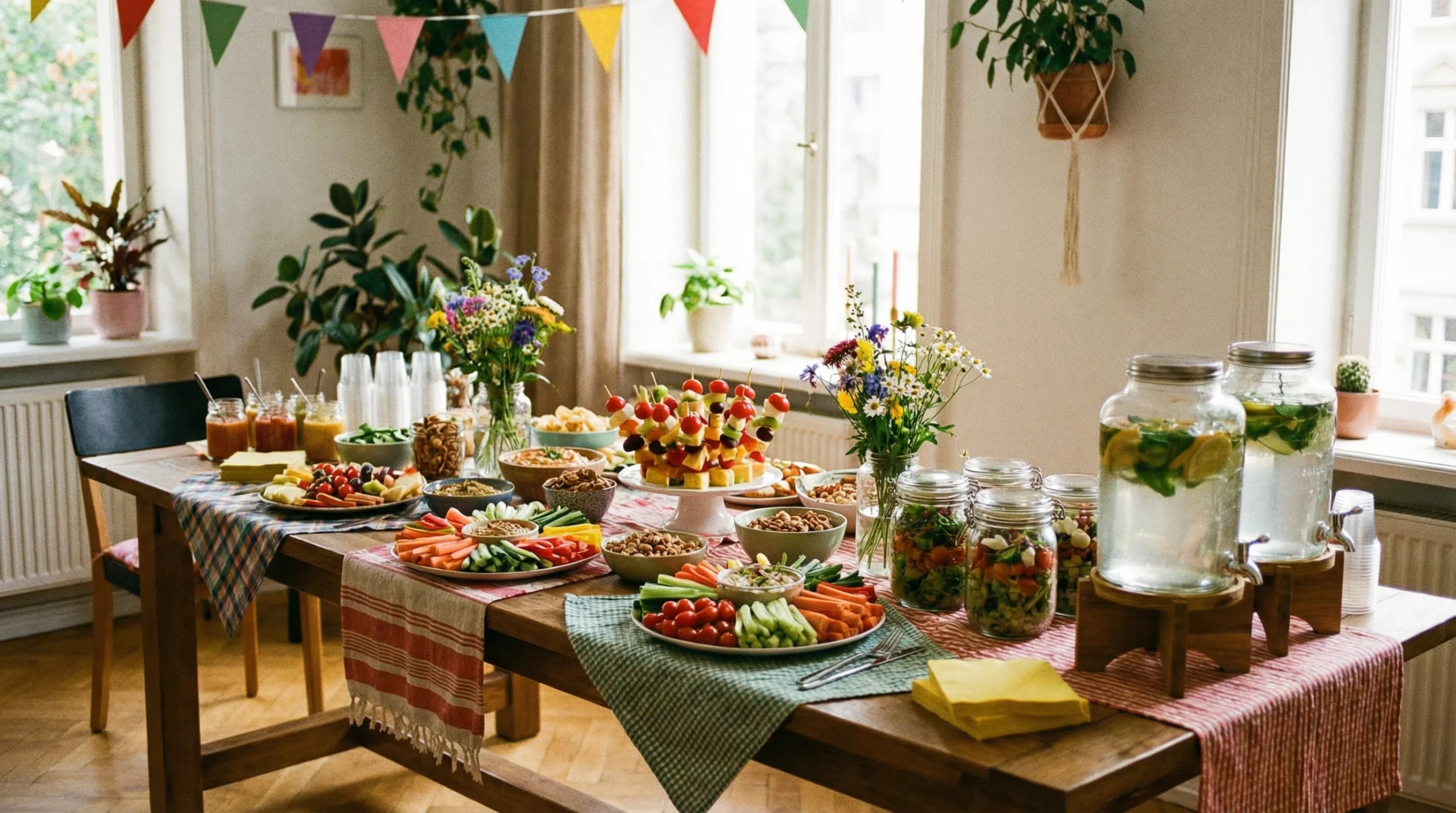
- Buffet Temptations: Endless food options are tempting. Grabbing a small plate, starting with salad or fruit, and eating slowly help me keep things in check.
- Unknown Ingredients: It’s common to find dishes I’m unsure about (allergies or dietary needs). I ask the host politely or stick with options I recognize.
- Alcohol and Sugary Drinks: I swap in sparkling water or a small pour of whatever is being toasted with, so I’m part of the celebration but not overdoing it.
- Late Night Eating: I check in with my hunger and decide if it’s actually worth nibbling again, or if I’m just feeling influenced by the group.
Peer Pressure
Friends who mean well might urge you to “just have a bite” or “try this one thing.” A kind but firm answer works best. If someone pushes, repeating something like, “I’m good for now, but thank you!” usually does the trick. No drama, no guilt.
Buffet Temptations
All those choices can be overwhelming. I always take a survey lap, picking two or three things I’m genuinely excited about, along with some veggies. Making my first plate count helps me avoid constant grazing.
Unknown Ingredients
Allergies or food sensitivities can make shared meals a bit tricky. I ask the host questions like, “Which dish is nut-free?” or “Is this one dairy-free?” If there’s uncertainty, I stick to the basics, like fresh fruit, cut veggies, or plain proteins.
Alcohol and Sugary Drinks
Drinks can creep up on you with extra sugar or calories. I alternate between an alcoholic drink and a glass of water, or sometimes opt for club soda with lemon or lime. Keeping a drink in my hand also helps deflect attention.
Late Night Eating
When desserts come out, I pause to see if I’m truly hungry or just going with the crowd. If I want something, I pick a small portion and enjoy each bite rather than eating on autopilot.
Working through these challenges is totally possible with a little prep and some go-to responses. Having a plan lets me spend less time stressing and more time enjoying the company.
Eye-Catching Social Savvy: Healthy Literacy Upgrades
After covering the basics, I like to add a few “advanced” moves that really step up my experience at any gathering. Here’s what I focus on now:
Mingle Away from the Food Table: Hanging out by the food makes it too easy to snack nonstop. I move elsewhere, catch up with friends, or check out the entertainment instead.
Set Realistic Expectations: Going into an event already knowing I don’t have to be perfect takes off a lot of pressure. Remembering that one night won’t undo my healthy habits is freeing.
Use Distractions: When I see myself reaching for food out of nerves or boredom, I dance, join in a game, or start a conversation. Staying active is my best distraction.
Real-Life Success with Healthy Social Strategies
Practical examples back up these tips. I once brought a massive fruit platter to a backyard BBQ and it disappeared fast—people even asked for the yogurt dip recipe. At a wedding where the main dish had stuff I avoid, I loaded up on salads and veggie sides without stressing about skipping the bread. Last holiday season, I politely declined seconds at a big family dinner, and nobody seemed to notice; most of the pressure was just in my head.
- Work Events: I grab a coffee or wait at the end of the appetizer line to avoid awkward small talk when I’m not hungry.
- Family Gatherings: Bringing my own dish means I always have at least one healthy thing to enjoy—and it gives others a chance to try something different, too.
- Buffets or Parties: Taking my time, choosing what I want the most, and making one plate before getting back to the fun keeps mindless snacking at bay.
I’ve also noticed that as I stick to these habits, friends and family have started to pick up on them and even ask for advice. That positive influence makes it easier to maintain my choices and turns health into a shared part of the celebration.
Frequently Asked Questions
Here are some of the common things I get asked about handling social events while staying focused on health:
Question: What if people get offended when I turn down food or drinks?
Answer: Most people move on quickly once you’re polite but firm. A genuine thank you and a quick change of topic usually avoids hurt feelings.
Question: How do I avoid explaining my health choices in detail?
Answer: If I want to keep it private, I stick with a line like “I’m just keeping it light today.” It gets the message across without opening the door to more questions.
Question: Is it okay to bring my own snacks or dish?
Answer: Absolutely! Most hosts appreciate the extra help, and others might thank you for bringing something healthy to the table.
Question: What are some low-key ways to participate if I can’t eat the food?
Answer: Jump into conversations, help the host, or join group games. Being friendly and present makes the event enjoyable no matter what’s on your plate.
The Takeaway: Enjoying Social Events While Staying Healthy
With a little planning and some social know-how, showing up at social events without sacrificing your health goals is absolutely possible. Healthy literacy helps you deal with tricky situations, stay confident, and actually enjoy yourself. The more you practice, the easier and more natural it becomes with each event. Social gatherings are meant for fun—making them fit your lifestyle is not just doable, it’s actually pretty rewarding in the long run. So, next time you get an invite, know that you can handle it your way and still have a great time.