
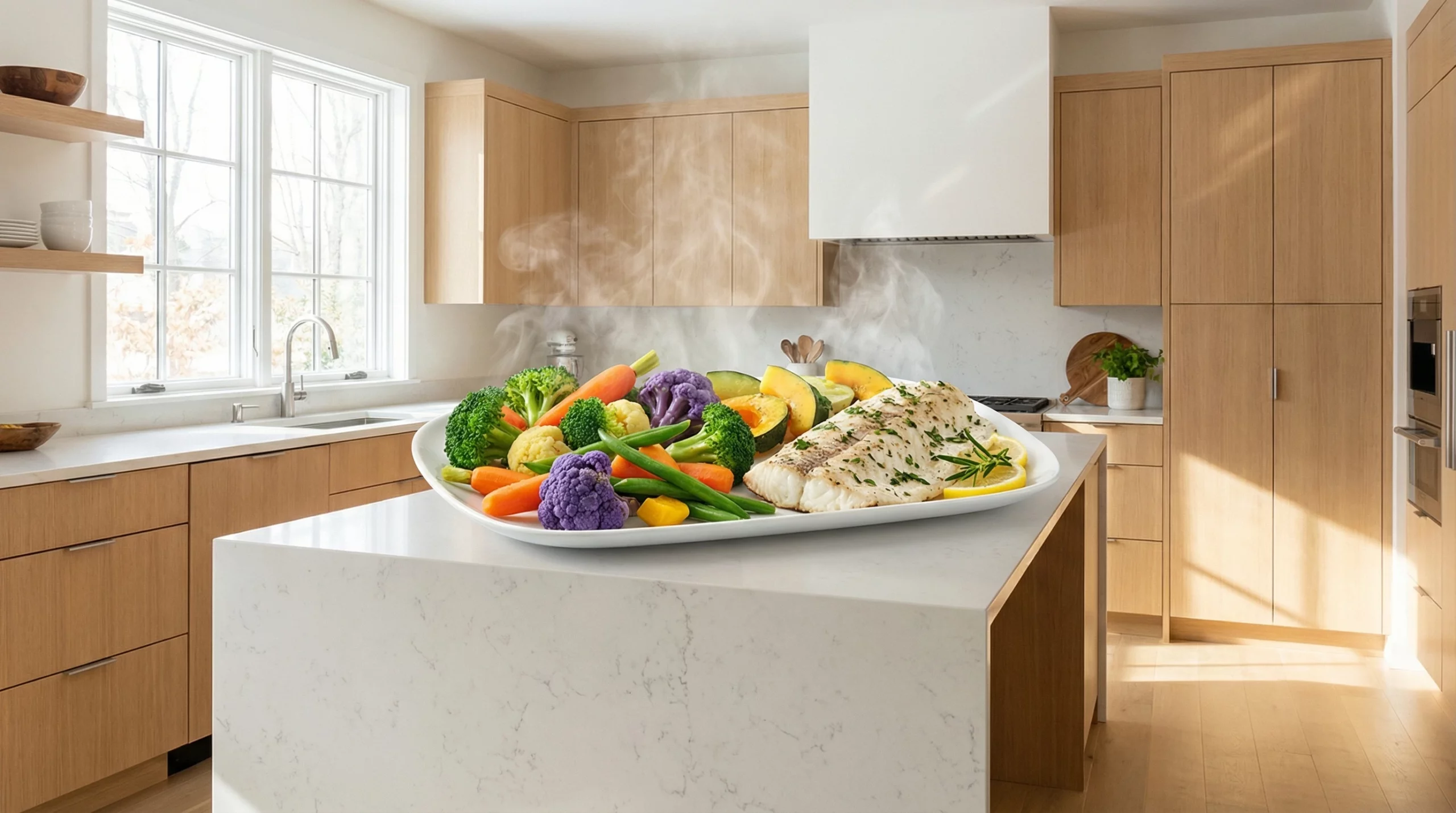
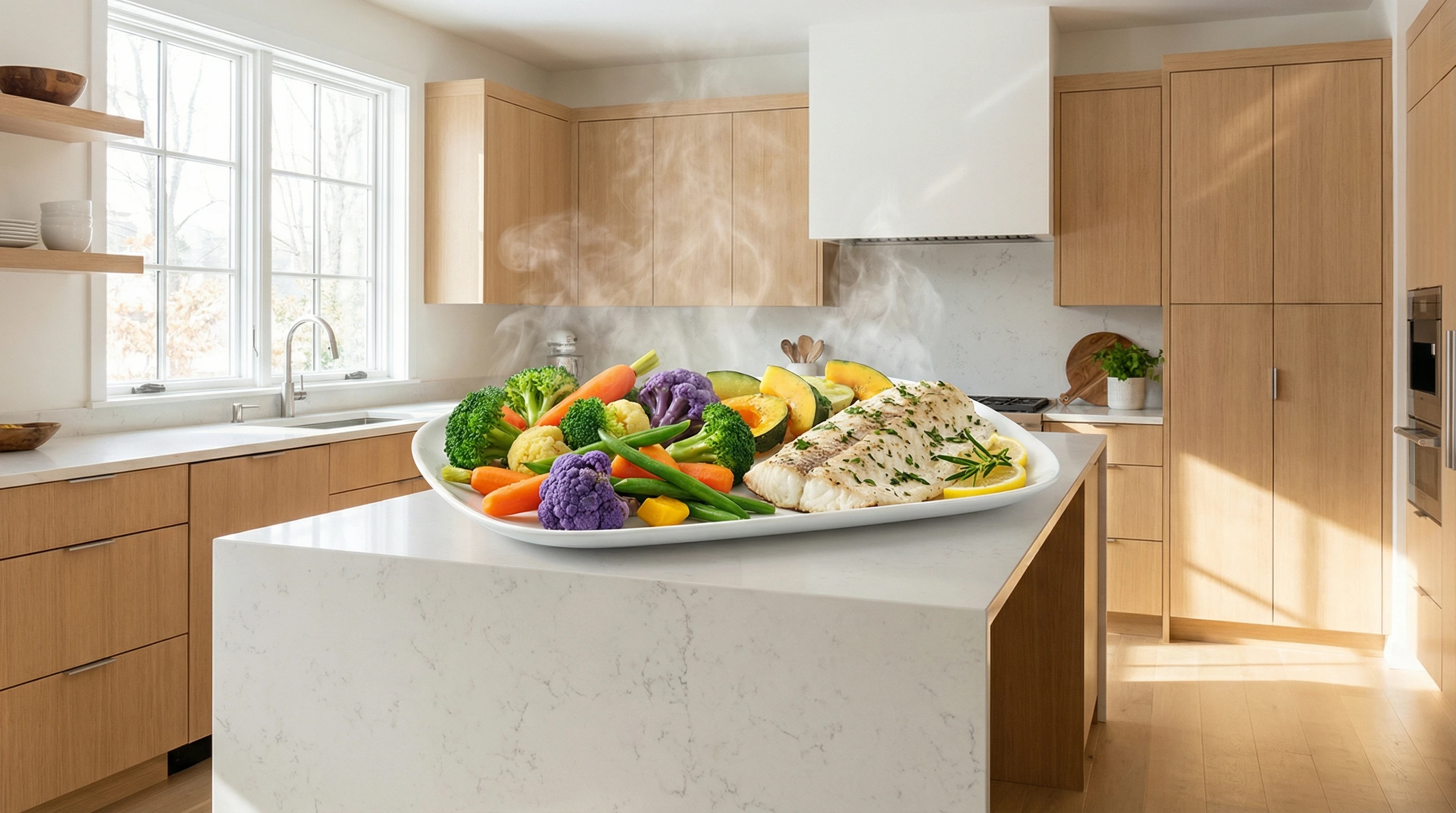
Precision cooking is a pretty handy way to hang onto more flavor and nutrients in your food, without sacrificing taste or texture. If you’ve ever wondered why your beautifully cooked broccoli sometimes turns dull or why panseared chicken can go dry and a little bland, it’s all about how heat and water interact with the vitamins and minerals inside your food. That’s where a few small changes in technique can make meals healthier, without making things complicated or boring in your kitchen.
Why Nutrient Loss Happens During Cooking
Every time I cook, I think about what’s actually happening to the food on a chemical level. When veggies or meats are exposed to high heat, some nutrients break down or leach out, especially if they’re cooked with lots of water. Vitamins like C and several B vitamins are known for disappearing with boiling water or long cooking times. Ever noticed the green in your beans fading? That’s a sign nutrients are escaping; kind of a bummer after buying those fresh veggies.
But it’s not just vegetables. Proteins and minerals in meats can also be affected by temperature and technique, turning juicy cuts into dry ones and leaking iron or zinc into discarded juices. Each ingredient responds to heat in its own way, which is why it helps to understand what each method does before tossing everything in the pan or pot.
The Best Cooking Methods For Retaining Nutrients
If you’re asking which cooking method is best for keeping nutrients, research (and a lot of firsthand kitchen experiments) shows that steaming usually takes the top spot for vegetables. Steaming uses minimal water, so it doesn’t “steal” water-soluble vitamins, and lower temps mean fragile nutrients like vitamin C stick around longer. Here’s a quick rundown of how a few common techniques can change the nutrition in your food:
- Steaming: My go-to for broccoli, carrots, and cauliflower. Keeps color, crunch, and maxes out nutrition better than most other methods.
- Microwaving: Actually does a pretty good job since the short cooking time and small amount of water means less nutrient loss. Great for fast meals.
- Stirfrying or Sautéing: Cooks fast with little oil, keeping vitamins from vanishing (plus, you get some added flavor).
- Boiling: Not my first pick since vitamins often escape into the cooking water, unless you plan on turning that water into soup stock.
- Roasting: Still good for root veggies, and any liquid is usually retained in the pan, although exposure to high heat for too long can tip the scale the other way.
So if you’re looking for the most nutrient-preserving way to cook, steaming is hard to beat, with microwaving and stirfrying close behind as fast and tasty options.
Precision Cooking for Meats: Keep Flavor and Nutrients
Cooking meat without losing too many nutrients means a few minor tweaks to temperature and technique. Overcooking meat drains its juices (which are loaded with vitamins and minerals), while also making it chewy. For the best results, I like to:
- Sous vide: Think super precise. The meat is vacuum sealed in a bag and cooked in water at a set temperature so it gets perfectly done all the way through. Juices, and all their nutritional goodies, never leave the bag.
- Grilling or broiling: Uses dry heat, which doesn’t strip away much in terms of vitamins or minerals, especially if you don’t char it. Let the meat rest before cutting, so those juices soak back in.
- Quick pansearing: Locks in flavor with minimal liquid loss, especially for tender cuts.
Adding marinades before cooking can also help. Marinades rich in citrus or herbs can help reduce harmful compounds that sometimes form with highheat cooking, and the flavor boost means you need less salt and extra fat afterward.
How Cooking Method Impacts Nutrient Retention
Out of all the cooking methods—steaming, boiling, roasting, microwaving, frying—steaming comes out on top for veggies, and sous vide is gaining popularity for perfectly cooked proteins. Here’s why these work so well:
- Steaming exposes food to heat gently and evenly, so you keep more fragile nutrients.
- Sous vide uses low temperature for a longer time, lowering the risk of overcooking and letting all those flavorful juices (and their nutrients) stick with your food, since nothing drips away.
- Microwaving cooks fast and often with just a splash of water, so vitamins don’t have time to escape.
Boiling, especially for leafy greens or veggies you plan to serve plain, is not a great choice unless you’re going to use the water after (think homemade soup or broth).
Quick Reference: Top Tips for Better Nutrient Retention
Everyday cooking gets a whole lot healthier when you keep a few tips in mind. Here’s what makes a difference in my kitchen:
- Use less water: Too much water draws vitamins and minerals away, especially for boiling and poaching.
- Shorten cook times: Overcooking practically invites nutrients to leave. Try to cook veggies until just crisptender.
- Lower the heat: High temperatures break down delicate vitamins quickly.
- Keep the skin on: For root veggies or potatoes, the skins protect against nutrient loss and add fiber.
- Chop, then cook right away: Exposing cut veggies to air too long before cooking means some vitamins can oxidize before they even reach heat.
If you’re prepping a dish with a mix of different vegetables, throw in the denser or thicker pieces (like carrots) a few minutes before the tender bits (like spinach). That way, everything gets perfectly done without overcooking. And don’t forget to stir things occasionally while cooking, to make sure heat is distributed evenly — this is especially helpful for stirfrying and sautéing.
Common Challenges and How to Get Around Them
- Texture vs. nutrition: Sometimes, steamed veggies just feel too soft for a stirfry or salad. Quickblanching in boiling water for 30–60 seconds, then plunging into ice water, can help lock in crunch (and the color, which looks way more appetizing on the plate).
- Time crunch: If you’re always in a hurry, microwaving is a timesaver that also keeps nutrient loss minimal. Just don’t drown your veggies in water before microwaving them.
- Soggy results: Roasting at high temperature caramelizes edges, bringing out sweetness, and keeps more nutrients inside compared with a slow boil. Try using parchment and a drizzle of olive oil for easy cleanup and added hearthealthy fats.
Why Cooking Technique Actually Matters (And How It Shows Up in Real Life)
I see a big difference at home when I prep veggies in a steamer basket versus tossing them in a pot to boil. Broccoli holds its green and stays crisp, carrots get sweet and tender, and there’s very little faded color or water left behind. Same story with proteins; chicken breast cooked sous vide stays juicy and almost impossible to overdo, compared to the sometimes chalky texture from roasting too long or frying too aggressively.
If you want a practical experiment, cook two batches of green beans: one boiled for eight minutes, and one steamed for four. The steamed batch will taste brighter, crunchier, and keep more vitamins. Plus, you’ll notice way less nutrient-rich green water left behind to pour down the drain. Try comparing a microwaved batch as well—many people are surprised at how vibrant and flavorful the results are, while nutrients stick around more too.
Frequently Asked Questions
Question: What is the best cooking method for retaining nutrients?
Answer: For veggies, steaming is my favorite way to keep more of those goodforyou vitamins and minerals. For proteins, sous vide keeps moisture and nutrients in, making it a smart choice especially if you have the equipment.
Question: Which cooking method is best for retaining the most nutrients?
Answer: Steaming holds the top spot for most plantbased foods, while sous vide or quick searing is great for meats.
Question: How to cook meat without losing nutrients?
Answer: Cook meat at lower temperatures for a shorter time, using methods like sous vide, grilling, or pansearing. Skipping deepfrying or boiling in a ton of water helps prevent vitamin and mineral loss.
Question: Which of the following cooking methods retains most of the nutrients?
Answer: Steaming and microwaving both retain more nutrients than boiling or slowcooking, mainly because they use less water and heat the food for a shorter period.
Simple Ways To Put Precision Cooking Into Practice
Swapping in nutrientfriendly cooking styles doesn’t mean launching into cheflike meal prep each night. A simple steamer basket, a quality skillet, or a sous vide wand (if you want to take things up a notch) can do the job. Roasting a tray of mixed veggies while grilling a quick protein on the side lets you multitask while keeping nutrients high. If you batch cook or like leftovers, portion veggies and meats separately, so you reheat only what you’re eating and don’t cook everything twice.
Getting more out of the ingredients you buy just takes a little bit of knowhow and a few new habits. With these precision techniques, you can make healthy, tasty meals and feel good knowing you’re making the most of the nutrition in every bite. Next time you stand at the stove, remember that small adjustments to your cooking style can make a big difference in how nutritious your meals turn out — and with a few practice runs, these tricks start to feel like second nature. Your tastebuds and your body will thank you for keeping both flavor and health top of mind.