
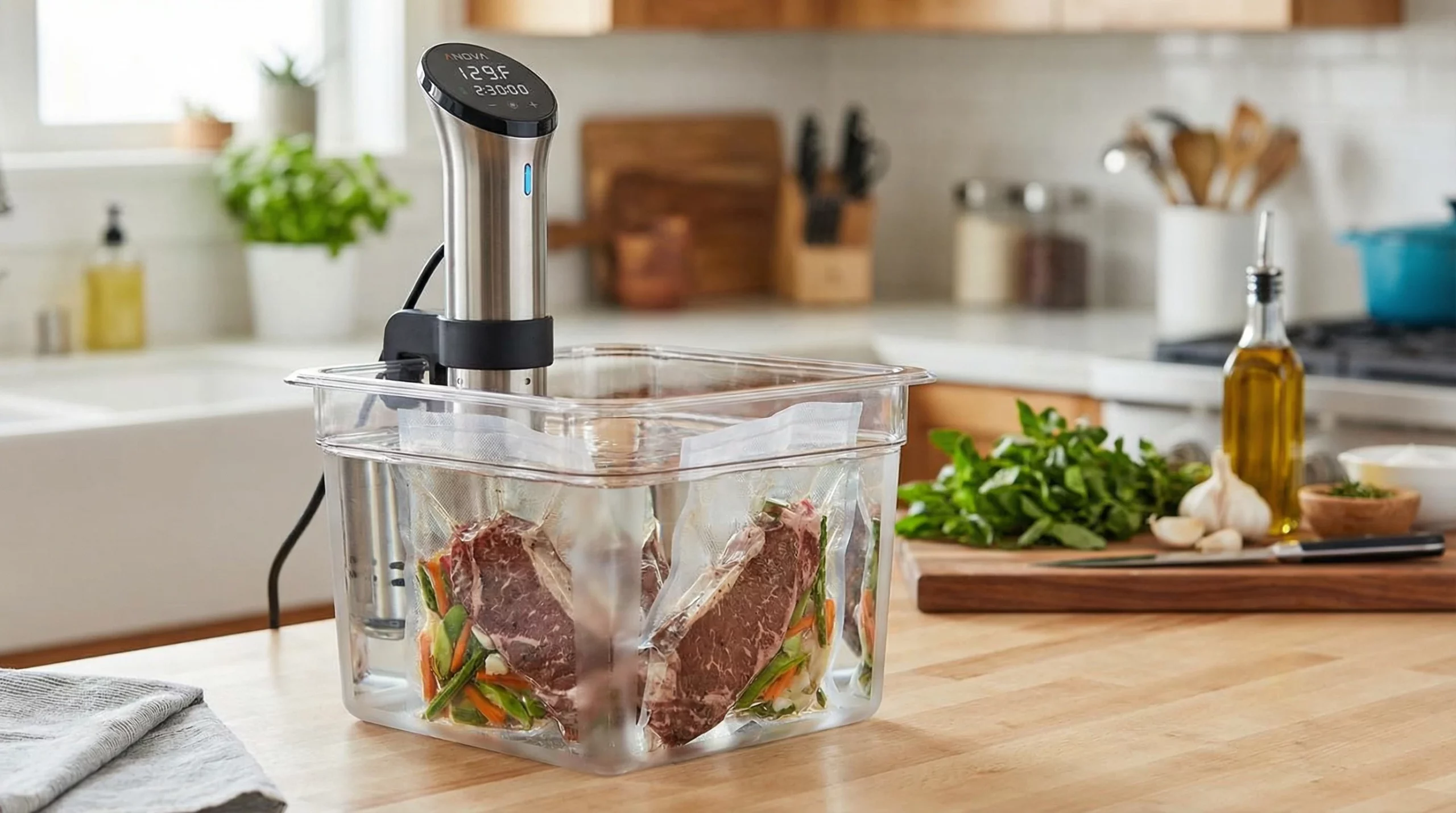
Sous vide cooking is one of the best kitchen hacks I’ve come across for making meals that taste like they just came off the line in a fine-dining restaurant. It sounds high tech, and I’ll admit, the idea of slowly cooking food in a water bath set to the exact degree isn’t what most people grew up with. The results, though, speak for themselves. Tender chops, perfectly runny eggs, and juicy steaks every time. I’ve found it’s an easy way to boost confidence in the kitchen, and it opens up a ton of possibilities for meal prep and weekday meals.
What Is Sous Vide Cooking?
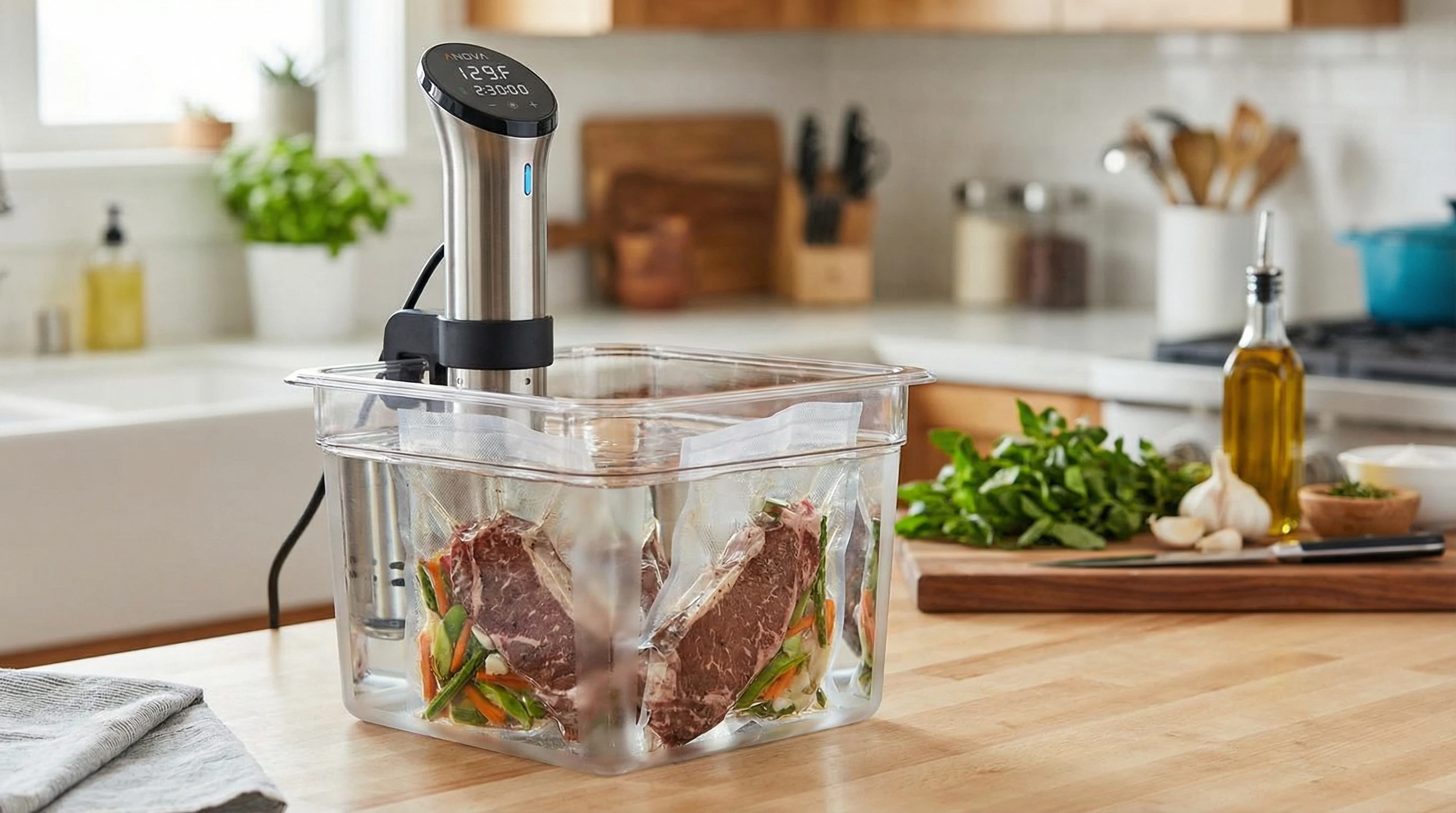
The word “sous vide” comes from French and means “under vacuum.” At its core, sous vide is all about cooking food in a sealed bag, submerged in a water bath held at a very specific temperature. You don’t need a fancy background in food science to get into it. Just a sous vide immersion circulator, a pot of water, some ziptop or vacuum sealed bags, and whatever you feel like cooking. The immersion circulator keeps the water at a set temperature, no hotter, no cooler. This gives you perfect results every single time. Proteins come out juicy, veggies stay bright, and the seasoning gets infused right into every bite.
Why I Recommend Sous Vide for Home Cooks
There’s something pretty satisfying about cooking a steak to a rosy pink edge-to-edge, or pulling out chicken breasts that are somehow both incredibly juicy and food safe. For me, sous vide brings peace of mind because there’s hardly any risk of overcooking. I like that I can set it and walk away, as prep time is mostly hands-off.
Plus, sous vide is a meal prep game changer. I can batch cook proteins at the start of the week and finish them off in a pan just before eating. Flavors come out bolder, and it’s much harder to end up with dry leftovers. And for anyone wanting to save time but not sacrifice taste, sous vide cooking fits easily into busy schedules.
Sous Vide Gear and Setup
Getting started is pretty easy. Here’s what you need:
- Sous Vide Immersion Circulator: This is the device that controls the water temperature. Hundreds of models exist, and even the lower cost ones do the job well these days.
- Large Pot or Plastic Container: Any big soup pot works. Some folks invest in clear containers for visibility, but I usually just grab the biggest pot in my cupboard.
- Ziptop or Vacuum Seal Bags: No vacuum sealer? No worries. I use the water displacement method (lowering the bag into water to press out the air before sealing).
- Clips, Racks, or Weights: These keep your food bags fully submerged and away from the circulator.
- Finishing Tools: Think cast-iron skillet or grill for searing.
I started with just a circulator and a soup pot. As I got more into sous vide, I picked up a few accessories. If you’re a kitchen gadget fan, it’s easy to customize your setup with racks or special bags, but none of that is required at first.
How to Cook with Sous Vide: The Step-By-Step
- Prep the Food: Season proteins or veggies with salt, pepper, or aromatics. Place them in a bag, making sure everything’s laid flat for even cooking.
- Seal the Bag: Use a vacuum sealer or ziptop bag, pressing out as much air as you can.
- Heat the Water: Set the immersion circulator to your target temperature (for example, 129°F for medium rare steak, 145°F for chicken).
- Submerge and Cook: Add the bag to the water. Cooking times vary: steaks love 1-4 hours, eggs need about 1 hour, chicken breast does well with 1-2 hours.
- Finish and Serve: Sear steaks or chicken quickly in a hot pan for a golden crust. Veggies can get a quick broil for extra flavor.
There’s a little flexibility in time, which I appreciate. If dinner isn’t ready right at the timer, food left in the bath for an extra hour usually doesn’t suffer. Sometimes, I’ll even start cooking before running errands, knowing I’ll come home to a meal that’s perfectly cooked and waiting for just a quick finish.
Common Questions About Meal Prep and Sous Vide
I get a lot of questions from friends and readers about how sous vide works with meal prep. Here are a few that pop up regularly:
Can you meal prep food for 7 days?
Cooking food sous vide makes it easy to meal prep for the entire week. Proteins cooked sous vide can be stored in the fridge for up to a week if cooled properly right after cooking (shock in an ice bath, then refrigerate). Some folks freeze the cooked portions for meal prep beyond 7 days. Just remember, quality and safety rely on good storage techniques and prompt refrigeration.
Can I meal prep 5 days in advance?
Absolutely. I often prep steaks, chicken breasts, or salmon filets on Sunday and eat them throughout the work week. Keep the cooked, sealed bags chilled in the fridge and give them a quick sear or gentle reheat just before eating for the best flavor and texture.
Can you pre-maketightly sandwiches for the week?
You can sous vide a batch of proteins (such as chicken, steak, or turkey) for sandwiches and store them sealed in the fridge. Each morning, you can build a fresh sandwich, or prep the sandwiches a couple days ahead and keep them wrapped tightly. For longer storage, keeping bread and fillings separate helps preserve the texture, so you won’t end up with soggy bread by Friday.
What lunch doesn’t need refrigeration or heating?
Sous vide isn’t the go-to here since most foods need cooling after cooking. That said, shelf-stable options work well when fridges aren’t available, like nut butter packets, canned tuna, crackers, or sturdy granola bars. For sous vide, some cured meats or hard cheeses can last outside the fridge for a few hours, but I always play it safe and keep perishable items chilled until lunchtime if possible.
Real World Uses for Sous Vide at Home
- Perfect Steak Every Time: No stress over timing. Cook, chill, then sear when craving strikes.
- Meal Prepping Proteins: Chicken, pork, sausage, or fish all store well in the fridge and make fast lunches or dinners.
- Eggs for Breakfast or Snacks: Soft-boiled or jammy eggs by the dozen, peeled and ready to eat.
- Vegetables: Sous vide carrots or broccoli keep their color and sweetness, ready to toss in salads or side dishes all week.
Batch cooking with sous vide lets me save both effort and ingredients. Nothing goes to waste, and the texture and flavor beat out baked or boiled versions almost every time. If you’re into hosting, sous vide guarantees your main dish reaches the table piping hot, with no worry about overcooking while you’re busy with the appetizers. And if you want perfectly cooked sides to round out your meal, sous vide vegetables can be a real game changer.
Pro Tips for Taking Your Sous Vide Game Up a Notch
Marinate in the Bag: Add herbs, citrus, or sauces to the bag. The vacuum seals in every bit of flavor, leading to surprisingly bold results, even with a quick cook.
Batch Cook & Freeze: Cook large portions, then flash chill and freeze for quick dinners or sandwiches down the line. Defrost in the fridge or use the sous vide to gently bring things back up to temp without drying out.
Double Bag When Needed: Foods with sharp bones or higher fat content sometimes break weaker zip bags. Double bagging prevents leaks and potential messes in your water bath.
Deep Chill for Storage: After cooking, dunk your bagged food in ice water for about 15-30 minutes before moving to the fridge or freezer. This helps keep things fresh and safe for future meals.
Label Your Bags: I always write the date and contents on each bag before chilling or freezing. That way, it’s easy to spot what’s inside and keep track of freshness.
Frequently Asked Questions
Here are some more questions people often have when they’re new to sous vide:
Can I sous vide directly from frozen?
Yes! Just add about 30-60 minutes to the usual cooking time. No thawing needed, and you’ll still get tender results.
Is sous vide safe?
Sous vide is safe as long as you cook and store food at recommended temperatures and keep things clean. Always chill cooked food quickly if you’re not eating right away, and reheat to safe temperatures before serving.
Are there veggies or cuts of meat that don’t work well?
Most tender cuts and nearly all veggies shine with sous vide. Tougher cuts can be cooked very low and slow (sometimes 24-48 hours) for results that are just as rewarding as any steakhouse dinner.
Final Thoughts
Bringing sous vide into my kitchen has been a real boost for daily meals, special occasions, and meal prepping alike. It’s not as intimidating as it sounds, and the payoff. Reliable, mouthwatering results with little active watch time keeps me coming back. If you’re looking to upgrade your home cooking or simplify your weekly meal routine, sous vide is definitely worth checking out.