
Chewing is probably one of those things most of us do without a second thought. Grab a quick bite, munch, swallow, and get back to whatever’s next on the agenda. But what if I told you that the simple act of chewing holds some real power for your digestion, health, and even your brain? This “forgotten habit” is worth another look, especially with so many fast-paced meals and processed foods on the menu these days. I’m here to unpack why paying attention to chewing can be one of the easiest upgrades for your daily routine.
Why Chewing Matters More Than You Might Think
It’s easy to see why chewing hasn’t gotten much attention; after all, it’s automatic. But there’s more happening than just breaking food into smaller bits. Chewing gets digestion rolling in a way that affects the whole body. When you chew thoroughly, saliva mixes with your food and starts breaking down carbs right in your mouth. Saliva also has enzymes helping to soften and lubricate what you eat, making the later steps smoother for your stomach and intestines.
Studies have found that slower, more mindful chewing helps you absorb nutrients better and gives your digestive organs less work to do. People who eat quickly or barely chew their food often notice more bloating, indigestion, and even changes in their blood sugar. In cultures where eating slowly is part of the tradition, you’ll often see better gut health and fewer issues like acid reflux and heartburn.
Chewing also gives your brain a heads-up that food’s coming, kicking off signals for satiety; basically, helping you feel full and satisfied with less. So if you’re working toward weight management, paying attention to how you chew could be one of your simplest tools.
Understanding the Basics. How Chewing Fits Into Digestion
Digestion actually begins the moment you take that first bite. When you chew, you’re not just smashing your food; you’re letting enzymes start their magic. Chewed food, now called a “bolus,” slides down your esophagus into your stomach, where acids and more enzymes keep breaking it down.
It’s here that the difference really shows. Poorly chewed food makes your stomach work overtime, which can lead to gas, discomfort, or even nutrient loss as the food can’t be digested fully. Well-chewed food, on the other hand, glides through your system, letting each digestive step do its job efficiently.
- Salivary Amylase: This is an enzyme found in saliva that starts breaking down starches in your mouth.
- Mechanical Breakdown: Chewing grinds your food, increasing its surface area so digestive juices work faster.
- Satiety Hormones: Slow, mindful chewing releases hormones that signal to your brain that you’re getting full.
Tips for Building Better Chewing Habits
Getting into the habit of chewing thoroughly isn’t hard, but it does take a little awareness. Here are some easy steps I’ve picked up that helped me slow down and actually enjoy my meals more:
- Count Your Chews: Aim for around 15–30 chews per mouthful, especially with dense foods like meat or bread.
- Put Down the Fork: Set your utensil down after each bite to avoid the urge to rush.
- Eat Without Distractions: Try not to eat in front of the TV or your phone, so you can pay attention to each bite.
- Notice Texture: Pay attention to how the texture changes as you chew; this can actually make food taste better!
- Breathe Between Bites: Slow down your whole eating process by taking a breath before you load up your next bite.
Bringing in even one of these tips during your meals makes a difference. The goal isn’t to chew obsessively; it’s just about being present enough to let your body do its work. Even when life is hectic, practicing a bit of presence with chewing becomes a small act of self-care that adds up over time.
Common Roadblocks and How to Deal With Them
Like any new habit, tuning into your chewing can be awkward at first, especially during rushed lunches or while eating on the go. Here are some things I’ve noticed tripping people up and how you might handle them:
- Busy Schedules: If you only have a quick break, focus on chewing even your first few bites especially well; it still helps.
- Processed Foods: Softer foods slide down quickly and need even more awareness. Swapping in crunchy fruits, veggies, or nuts encourages more chewing without extra effort.
- Stress Eating: When stress hits, it’s easy to eat fast. Taking a moment to breathe or drink water can gently slow your pace.
- Jaw Issues: For folks with dental issues or jaw pain, soft-cooked veggies and easy-to-chew proteins (like cooked fish) offer nutrition without extra chewing strain.
The Link Between Chewing and Mindful Eating
Mindful eating is kind of a buzzword, but chewing is really at its core. It’s about noticing flavors, textures, and when you feel satisfied, instead of just finishing what’s on your plate. People who tune in to chewing often notice they actually enjoy food more, and cravings for ultraprocessed snacks go down over time.
If you’ve ever finished a meal and felt like you barely tasted it, slowing down and putting some attention on chewing changes that game really fast. This also helps you listen to your body’s natural signals, making mealtimes more rewarding in the long run.
How Chewing Supports Digestive Health
Chewing breaks down food particles into smaller pieces. This gives your stomach and intestines less to work on, which can mean less gas, bloating, and discomfort after a meal. For people who deal with digestive conditions like IBS or acid reflux, paying attention to chewing is a simple strategy that offers big relief.
I’ve talked with a few nutritionists who say they start every digestive tune-up with a focus on this habit before they ever suggest supplements or strict diets. Chewing is accessible for everyone and often results in noticeable improvements before more complicated interventions are even needed.
Chewing and Metabolism
Extended chewing doesn’t just make food easier to handle for your gut; it may also have a link to blood sugar control. Studies out of Japan and other countries show that chewing food for a longer time can gently slow down the spike in blood sugar after a meal. That can be handy for people managing energy crashes or looking to keep their metabolism balanced.
When you get in the routine of chewing more, you may find you have steadier energy throughout the day, which supports focus and mood. It’s one of those small shifts in routine that pay off in lots of ways.
Choosing Foods That Work Well for Thorough Chewing
Some foods actually encourage better chewing on their own. Here’s what I try to keep around:
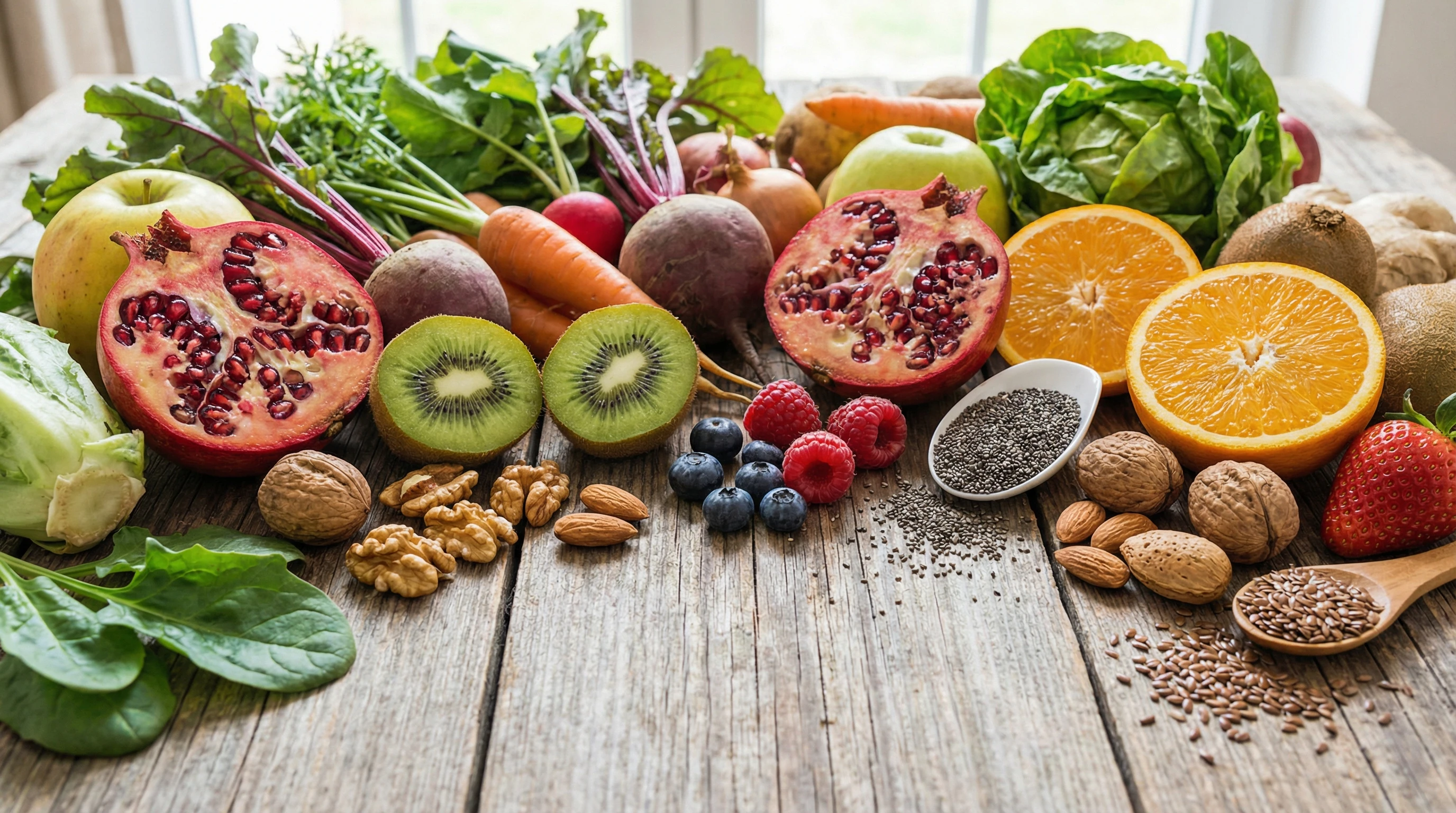
- Crunchy Veggies: Carrots, celery, bell peppers; they need a little work from your jaw.
- Fresh Fruits: Apples and pears are more chew-friendly than juice or fruit pouches.
- Whole Grains: Brown rice, whole wheat bread, and other hearty grains stay in your mouth longer than white bread or highly processed options.
- Nuts and Seeds: Not only tasty, but they also slow down your eating speed.
Meanwhile, supersoft or ultraprocessed foods just melt in your mouth and can be eaten way too fast. Mixing in more whole foods makes it easier to form good chewing habits naturally.
You might also find that preparing your own meals, rather than relying solely on prepared or packaged options, naturally introduces a wider range of textures and chew-friendly ingredients. This not only gives your jaw a workout but can make mealtime more satisfying.
Frequently Asked Questions
Here are questions I run into the most when talking with friends and clients about chewing and digestion:
Question: How long should I chew my food?
Answer: There’s no perfect number, but 15–30 chews per bite is a solid target. Focus more on how the texture changes; when food feels smooth and evenly mixed, it’s ready to swallow.
Question: Does chewing really affect weight loss or appetite?
Answer: Yeah, studies from Harvard and several European universities found that people who chew more tend to eat less at meals, simply because their “full” signals have time to kick in.
Question: Can chewing slowly help with acid reflux or indigestion?
Answer: A lot of people notice improvement with slower, more thorough chewing. It gives your stomach a chance to handle smaller pieces and reduces the “heavy” feeling after a meal.
Making Chewing a Part of Your Healthy Routine
Chewing really is a pretty simple habit; no special equipment, apps, or memberships needed. Paying attention to it could boost how you feel after meals, help with energy and satiety, and even support your long-term gut health.
If you’re interested in more tips on mindful eating, gut-friendly recipes, or how small habits switch up your well-being, there are some good resources worth checking out. The Mindful Eating Research Center and registered dietitians such as those from EatRight.org share practical guides for getting started.
Stepping up your chewing habits doesn’t require an overhaul. Practicing as little as pausing before you swallow or swapping in more crunch for softness can make all the difference over time. Give your meals a second to linger; your body and mind will probably thank you for it.