
The magic of spices adds so much flavor to food, even when salt is nowhere in sight. Whether you’re trying to eat a little healthier, dealing with a health condition, or just looking to shake up your daily menu, leaning into the spice rack is a really easy way to transform bland or underseasoned dishes into something special. I’m always reaching for herbs and spices to help meals shine with rich, layered flavor that doesn’t need tons of sodium. There’s a whole world of options to explore. Each new spice can give you a creative spark in the kitchen.
The Basics of Boosting Flavor Without Salt
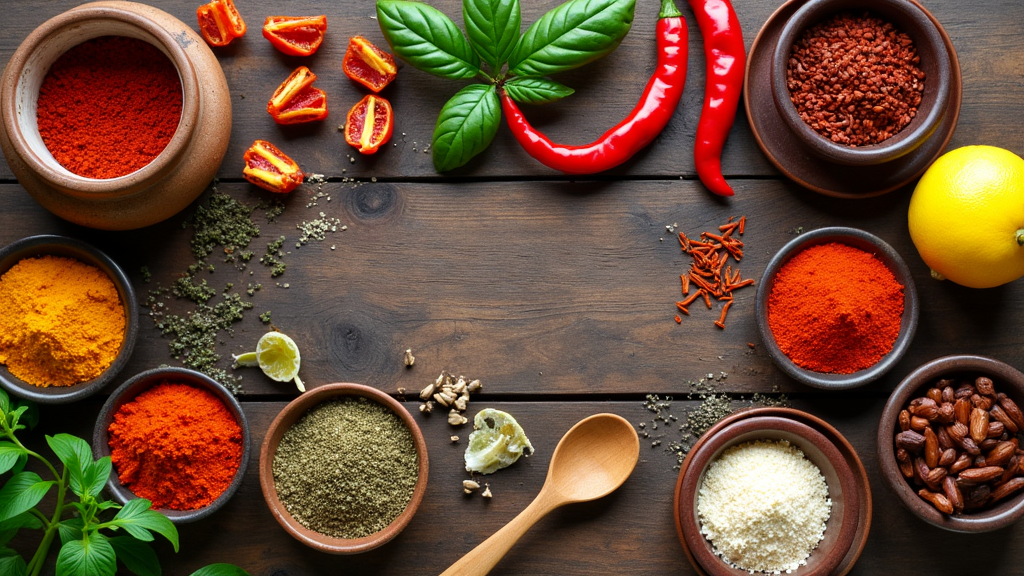
Stepping up flavor without salt is really about learning to build layers and balance. Instead of reaching for the shaker, I focus on spices that wake up different taste buds. Chili powder, smoked paprika, cumin, coriander, ginger, fennel, and turmeric are some of my favorites to keep things interesting. Sometimes, just toasting these spices for a minute in a pan unlocks a deeper taste you can’t get from salt alone.
Using fresh herbs also makes a big difference. Chopped parsley, cilantro, dill, and basil add brightness, while rosemary, thyme, and sage bring a savory, earthy flavor. Acidic ingredients like lemon juice, vinegar, or a splash of lime also perk up dishes, giving food a fresh, zingy quality that mimics some of what salt does for your palate.
Understanding the Umami Factor
If you want to replace the depth salt brings, umami is the flavor to pay attention to. Umami, sometimes called the “fifth taste,” is that deeply savory, mouthwatering quality you find in aged cheese, mushrooms, tomatoes, and fermented foods. Even without using salt, these ingredients turn a basic meal into something satisfying. Here’s how I work in some umami-rich options:
- Dried Mushrooms: Throw them into soups or risottos, or even blend mushroom powder into sauces for a rich, meaty flavor.
- Roasted Tomatoes: Roasting tomatoes brings out their natural sweetness and savory undertones. Awesome for pasta sauce or soups.
- Tamari (low-sodium): A splash of low-sodium tamari or coconut aminos instead of soy sauce gives depth to stir-fries and marinades.
- Nutritional Yeast: Sprinkle it on popcorn or pasta for a cheesy, savory boost, totally plant-based too.
Other umami-rich ingredients you can try include sun-dried tomatoes, miso paste (especially the low-sodium kind), olives, smoked eggplant, and fermented vegetables like sauerkraut. Adding just a small amount goes a long way and can give you that super satisfying flavor hit you might miss from salt.
Swapping Out Salt: What Else Packs a Punch?
Spices and herbs are a handy way to ditch salt while still making food taste delicious. Here’s what I keep on hand for big flavor with zero sodium:
- Lemon Zest and Juice: Brings a bright, tangy kick that wakes up salads, soups, grilled chicken, and fish.
- Vinegars: Apple cider, balsamic, red wine, and rice vinegars all help balance and give a boost to flavors in both savory and sweet dishes.
- Fresh Garlic and Ginger: These create instant aroma and bite. Much more exciting than salt alone.
- Chili Peppers: Adds heat and excitement, either fresh, dried, or smoked.
- Seed Mixes: Toasted sesame, pumpkin, or sunflower seeds create texture and earthy flavor in salads, stir-fries, or even yogurt bowls.
Even spice blends made specifically without salt, like Mrs. Dash, are worth checking out if you want something ready to shake onto roasted veggies, chicken, or fish. Homemade blends let you control every part, mixing together things like garlic powder, onion powder, smoked paprika, cumin, and dried herbs.
Don’t forget that acid is your flavor friend. Lime juice, sherry vinegar, and pomegranate molasses all add bright, punchy notes that go well in everything from grain bowls to grilled meats and even roasted vegetables. Playing with these options can open up a fresh world of flavors when you strip out the sodium.
Salt-Free Flavor Boosters for Daily Cooking
If you’re hunting for a good seasoning with no salt, look toward blends that focus on ground spices and amped-up herbs. Cajun seasoning (the saltfree kind), Italian seasoning, or a blend like zaatar adds so much flavor and depth. Try using these:
- CitrusPepper Sprinkle: Combine lemon or orange zest with cracked black pepper and a pinch of dried thyme.
- Herby Rub: Mix rosemary, sage, oregano, and marjoram for a Mediterranean touch.
- IndianInspired Blend: Toast cumin, coriander, cardamom, and turmeric for a currystyle boost that’s totally saltfree.
- Smoky BBQ: Paprika (especially smoked), ground coriander, black pepper, dried mustard, and cayenne give a barbecue vibe without the sodium.
For something a little different, consider blending sumac with sesame seeds and dried thyme, or try Chinese five spice powder for a twist in stir-fries. These blends can become go-to favorites for quick, flavorful meals.
Getting Started in Your Salt-Free Spice Adventure
It doesn’t take much to begin building flavor without salt. Just a few changes to your pantry make a big difference. When I first tried reducing salt, it was all about experimentation and tasting as I cooked. Here are a few straightforward steps for your kitchen reset:
- Stock Up on Spices: Pick a starter set of ground and whole spices you love, focusing on what you enjoy eating. Freshly ground versions are usually more flavorful than preground.
- Stay Fresh: Store spices in airtight jars, away from heat and light so they don’t lose their punch. Old, dusty spices won’t bring the same vibrancy.
- Layer Flavors: Start dishes with sautéed onion, garlic, or spices to set the foundation before adding other ingredients. Finish with fresh herbs and a squirt of lemon or a dash of vinegar to lift all the other flavors.
- Taste as You Go: With every new spice, taste after adding and adjust as needed. You’ll quickly learn how much or little works for you and your family.
Also, jot down what works best for which dish. Over time, you’ll build a reference that makes it easier to mix together new flavor combinations and avoid repeating any culinary missteps.
Things to Watch Out For When Using More Spices
Leaning on spices and herbs brings out the best in food, but there are a few things that can trip people up. Here’s what I’ve run into, and how to keep your saltfree meals full of flavor:
- Bland Results: Using too little spice can leave food tasting flat; but too much can take over a dish. Start with small amounts and add as you go.
- Compatibility: Not all spices work in every dish. Some, like cinnamon or clove, are strong and can overpower more delicate ingredients. Try pairing by cuisine. A little cumin or coriander for Mexican, fivespice for Chinese dishes, and so on.
- Freshness Matters: Spices lose their punch after a year or so. If it barely smells, it probably won’t taste like much either.
- Hidden Sodium: Watch for premixed spice blends at the store; some include more salt than you’d guess. Always check the labels, or blend your own just to be sure.
Paying Attention to Texture
Some spices, like black pepper, sesame seeds, or crushed red pepper flakes, also bring crunch or a bit of texture. Tossing seeds on top of roasted veggies or using freshly ground pepper as a finishing touch bumps up interest without extra salt.
Try using toasted coconut flakes, chopped nuts, or crushed freeze-dried herbs for even more ways to mix in texture and flavor. These small touches create eye-catching plates and keep your taste buds intrigued.
Cooking Techniques That Boost Flavor
Roasting, grilling, or pansearing ingredients helps natural sugars caramelize. This alone packs a flavor punch. Adding spices during cooking (rather than just at the end) gives them a chance to bloom and mingle with all the other ingredients.
Slow cooking, braising, or simmering sauces are great strategies for building up big flavor, especially when you’re not relying on salt. These methods also let dried herbs and spices infuse their character through each bite.
Extra Tricks for Salt-Free Cooking Success
Dialing up flavor without salt means learning some quick kitchen tricks. Here are a few that always work for me:
Roast or Toast Your Spices: Heating spices in a dry pan just until fragrant deepens their impact. Whole cumin, coriander, or fennel seeds are especially good this way. After toasting, grind them to blend in easily with your recipes.
Use Broths Wisely: Homemade broths (especially vegetable, chicken, or beef) do the heavy lifting when it comes to infusing food with flavor. Go for lowsodium or no added salt varieties at the grocery store, or just make a batch yourself and freeze in small containers. You can add fresh herbs, peppercorns, or root veggies to stock for added interest.
Layer Acids: Finishing a dish with a bit of vinegar, lemon, or lime at the end creates a sense of brightness that’s both refreshing and tasty.
Try Fermented Ingredients: A touch of unsalted kimchi, sauerkraut, or even a spoonful of plain yogurt can add tang and complexity, making simple dishes much more lively.
Real World Ways to Use Spices for Flavor
- Breakfast Eggs: Scramble or omelets with paprika, black pepper, chives, and chili powder deliver big taste with zero salt.
- Grilled Veggies: Toss sliced veggies in olive oil, garlic powder, smoked paprika, and dried oregano before grilling.
- Soups and Stews: Gently sauté aromatics (such as onion, garlic, ginger, and carrots) with bay leaf, cumin, coriander, and turmeric for a flavorful base.
- Roast Chicken: Rub with rosemary, thyme, lemon zest, and black pepper before roasting for savory, crispy skin without the sodium.
- Salads: Sprinkle toasted seeds, fresh cilantro or mint, and a squeeze of lemon or lime juice for zingy salads, no salt needed.
- Quick Grain Bowls: Add cumin, coriander, parsley, and chopped tomatoes to cooked quinoa or brown rice for a robust flavor mix.
- NoSalt Taco Night: Combine chili powder, garlic powder, onion powder, smoked paprika, and cumin in ground turkey or beans for all the taste, none of the sodium.
Frequently Asked Questions
How can I step up flavor without using salt?
Experiment with spices, herbs, citrus, vinegar, and other aromatics. Toasting spices in a pan before adding them brings out more flavor, too. Sautéing onions, garlic, or ginger at the beginning also helps build a tasty foundation for saltfree dishes.
How do I add umami without salt?
Try using umami-rich ingredients like sundried tomatoes, mushrooms, miso paste (lowsodium), or nutritional yeast. Roasting vegetables caramelizes their natural sugars, adding depth and richness without any sodium.
What can I use instead of salt for flavor?
Use citrus zest or juice, vinegars, dried or fresh herbs, and spice blends like zaatar or garam masala. Garlic, ginger, chili peppers, and toasted seeds all give a boost to flavor without relying on added salt.
What is a good seasoning to use that has no salt?
Look for or mix your own nosalt spice blends using paprika, cumin, coriander, black pepper, dried herbs, and even lemon or orange zest. Blends like Italian seasoning or smoky barbecue blends give plenty of flavor with zero sodium.
Is it possible to retrain my tastebuds to like less salt?
Absolutely. It may take a couple of weeks for your palate to adjust, but when you steadily reduce salt and add more spices, herbs, and acids, you’ll start appreciating a broader range of tastes and textures.
Are some people more sensitive to spice than others?
Yes, sensitivity to certain spices or types of heat (like from chili peppers) varies by person. Always start with smaller amounts and increase until you find your comfort zone.
Wrapping up, building bold flavor without salt takes a bit of creativity but is totally doable. By using the right mix of spices, fresh herbs, acids, and tasty umami-rich ingredients, you can set yourself—and everyone at your table—up for meals that are healthy and taste next-level cool, all without reaching for the salt shaker.
This article truly resonated with me. With several family members managing hypertension, we’re always on the lookout for flavorful ways to reduce our salt intake. The emphasis on using spices and herbs to enhance dishes without relying on sodium is both enlightening and encouraging.
I’m particularly intrigued by the suggestion to incorporate umami-rich ingredients like roasted tomatoes and nutritional yeast. These seem like excellent alternatives to achieve depth in flavor. Do you have any favorite spice blends or combinations that work well for everyday meals? Also, are there specific dishes where you’ve found these salt-free enhancements to shine the most?
Thank you for sharing these insights. It’s empowering to know that we can enjoy delicious meals while prioritizing our health.