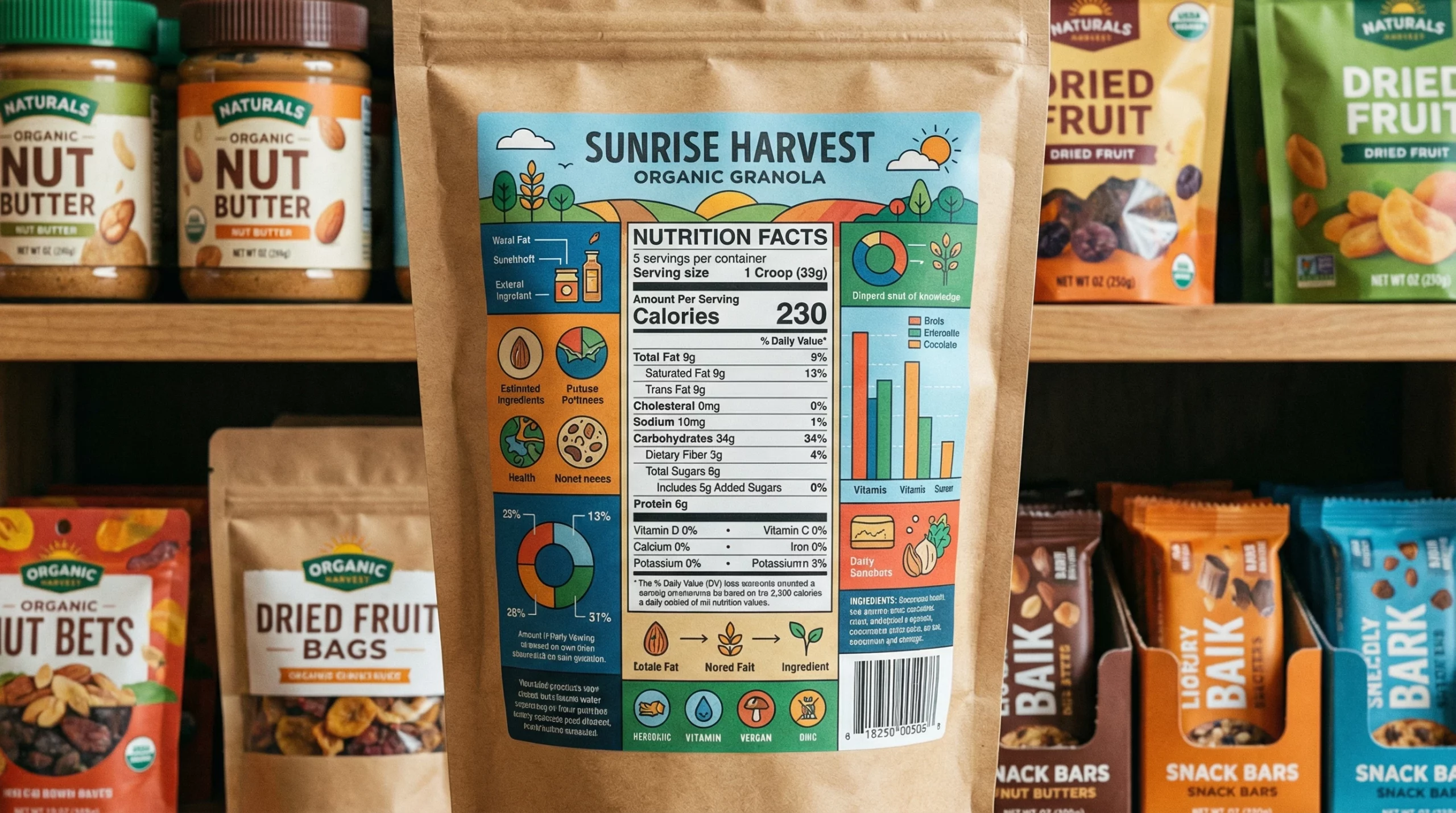
Understanding nutritional labels is pretty handy when you want to make smarter choices about what’s going into your body. Whether I’m shopping for a quick snack or doing my weekly grocery run, taking the time to actually look at the nutrition facts and ingredient list has helped me avoid a bunch of food surprises. Decoding packaging might seem tricky at first, but once you know what to watch for, it gets way simpler. Here’s a friendly breakdown of what nutritional labels really mean, how they’re organized, and how I use them for healthier meal planning.
Why Nutrition Labels Matter
Nutritional labels are designed to help shoppers compare products and make informed decisions. They can also reveal ingredients or additives you’d rather avoid. The first time I started paying attention to labels was after I realized how much added sugar some “healthy” yogurts were hiding. These labels aren’t just a legal formality; they give real insight into what you’re eating.
Seeing the numbers and ingredients at a glance has changed the way I pick foods for my family. I’ve read that many countries now require detailed nutrition facts, which gives people a chance to track nutrients that matter to them, like sodium or fiber. When food shopping feels overwhelming, those few seconds checking the back of the package can save me a lot of second-guessing later at home. Plus, learning to read these labels made me more aware of the variety of hidden fats, sugars, and preservatives that sneak into everyday foods.
The Main Sections of a Nutrition Label
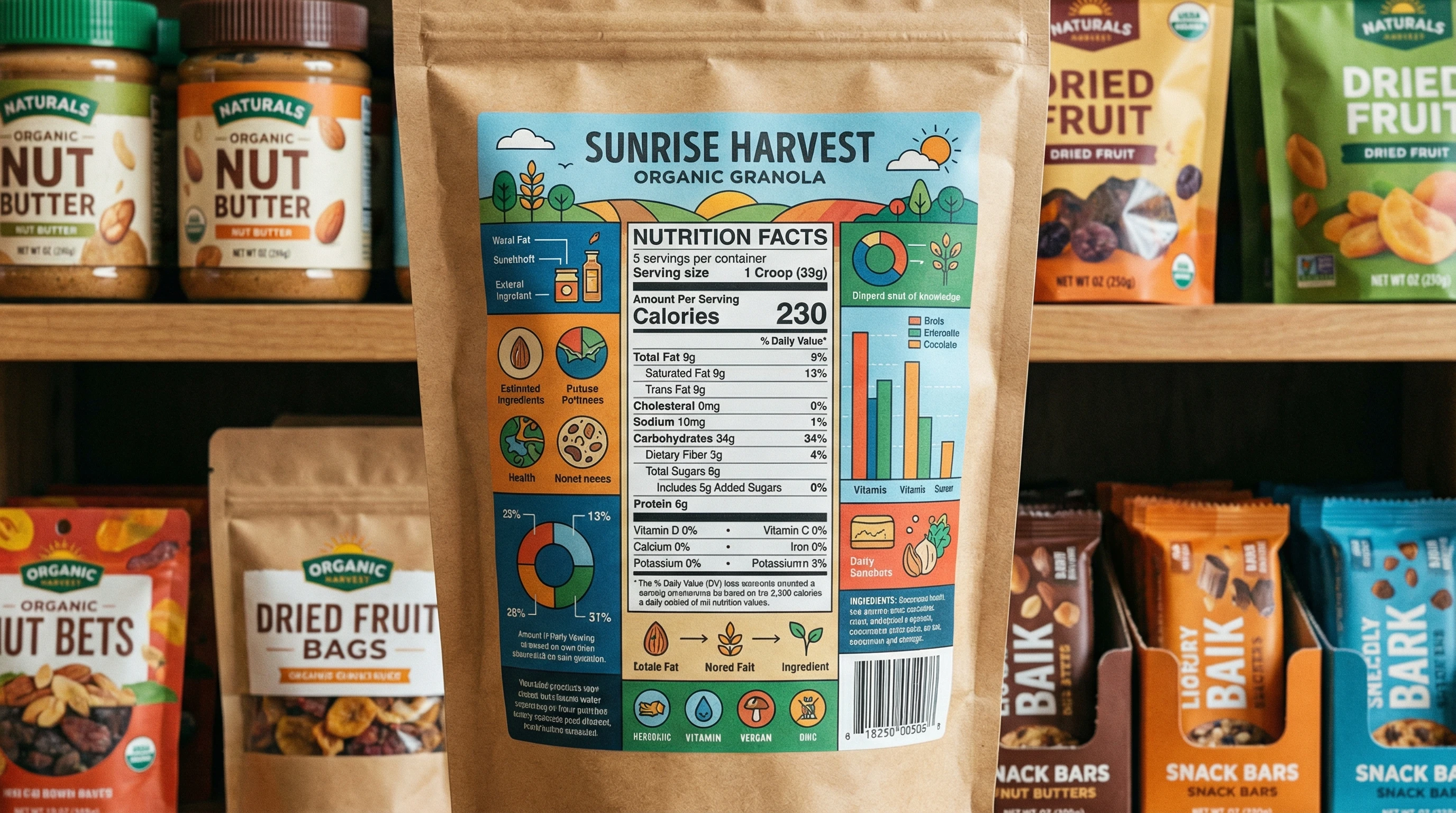
The basic layout of a nutrition label doesn’t change much. Most have the same core sections. Knowing what each area means helps me spot the stuff I care about quickly.
- Serving Size: Tells how much the nutrient numbers are based on (like 1 cup or 30 grams). Super important for comparing foods or calculating what you’re actually eating.
- Calories: The total energy supplied per serving. Helpful for tracking overall intake.
- Macronutrients: Cover fats, carbohydrates, and protein. Each is usually broken down into types, such as saturated fat or dietary fiber.
- Micronutrients: Includes things like vitamins and minerals. Typically vitamin D, calcium, iron, and potassium.
- Percent Daily Value (%DV): Shows how much a nutrient in a serving contributes to a daily diet. The magic number here is based on average caloric intake (usually about 2,000 calories), so it’s a ballpark figure, not a rulebook.
- Ingredients List: Spells out what’s actually in the food, in order of quantity from highest to lowest.
How to Read a Nutrition Label (Step by Step)
I start at the top and work my way down. Here’s how I break it down every time I pick up a package:
- Check the Serving Size: This comes first, because all the other numbers depend on it. If a package has more than one serving, the whole thing could have double, triple, or more of every nutrient shown.
- Look at the Calories: Handy when I’m meal planning or watching intake for the day.
- Scan the Fats, Carbs, and Protein: These give me a quick idea of how balanced a food is. If a “protein bar” has almost no protein, it’s worth checking for better options.
- Watch Out for Added Sugars and Sodium: These tend to sneak in quietly, especially in processed foods. I aim for less added sugar and keep an eye on sodium if I’ve already had a salty meal.
- Check Fiber and Micronutrients: Foods with more fiber and vitamins usually get a thumbs up in my book. Low fiber can signal something that’s less filling or less nutritious.
- Glance at the Ingredients List: Shorter is often better. If I see lots of unfamiliar stuff, I try to find a simpler alternative.
Sometimes, I even jot down quick notes about products I buy regularly, which helps me spot ingredient or formula changes over time. This extra layer of awareness can really make a difference for anyone tracking nutrition for health reasons or specific goals like managing diabetes or lowering cholesterol.
Common Terms and What They Mean
Labels use a bunch of terms you might not see outside a science class or a marketing memo. Here are a few big ones and how I think about them:
- “Low fat” or “reduced fat”: Doesn’t always mean healthy. Sometimes more sugar is added for flavor.
- “No added sugar”: Means nothing extra has been added, but there could still be natural sugar (like in fruit juice).
- “Light” or “lite”: Often lower in calories or fat, but not always by much. I look for the actual numbers to be sure.
- “High in fiber”: Label can be used if a food contains at least 5 grams of fiber per serving (in the U.S.).
- “Gluten-free”: Only needed for those who have celiac or who avoid gluten, but it’s helpful to know it’s verified.
You might also come across phrases like “organic,” “non-GMO,” or “made with whole grains.” While these often catch the eye, it’s crucial to double-check the facts on the label itself instead of relying only on front-of-package claims. This is especially true when you want to be sure you’re getting a genuinely nutritious product instead of just a clever marketing pitch.
Tips for Using Labels in Practice
Once you start reading labels, certain patterns pop up. I use these tips when comparing products or trying out something new:
- Compare Serving Sizes: If two cereals show different nutrition stats, double-check the serving sizes. They’re often different.
- Look at the First Few Ingredients: These tell me what the food is mostly made of. If sugar or corn syrup comes first, I’ll usually pass.
- Ignore the Front; Focus on the Facts: Words like “natural” and “made with whole grains” are just marketing unless the actual label backs it up.
- Find Hidden Extras: Watch for long ingredient lists, especially in packaged snacks. Preservatives and additives sneak in under names like “modified food starch” or “mono and diglycerides.”
For anyone sensitive to certain ingredients or watching for allergies, sometimes scanning for unfamiliar food science terms can help you avoid discomfort or reactions. The more you get used to these terms, the quicker decision-making becomes while shopping.
Things to Consider Before Relying Solely on Labels
Nutritional labels are helpful, but there are still limits. Here’s what to keep in mind, based on what I’ve seen shopping and from nutrition research:
- Serving Size May Not Match Reality: Sometimes the serving size seems tiny compared to what most people actually eat; you might need to do mental math.
- Percent Daily Values Are General Estimates: Everyone’s diet is different. These numbers are guidance, not strict rules.
- Not Every Nutrient is Listed: Labels usually highlight a core set of nutrients required by law, but not everything (like magnesium, zinc, or certain vitamins) will be included.
- Ingredient Quality Varies: Same nutrients can come from better or worse sources. For example, a cereal made with whole oats is different from one that uses milled corn and lots of fillers.
It’s also worth remembering that some brands update their recipes from time to time. Staying alert and comparing labels even on your regular buys can save you from accidental missteps, especially if you are following a specific meal plan or have dietary concerns.
Allergens
If anyone at your table has food allergies, always check the “contains” section near the label or ingredient list. In many countries, top allergens like peanuts, tree nuts, and soy are bolded or highlighted. Some packaging even includes warnings about possible cross-contamination, which is helpful for those who are highly sensitive.
Added Sugars
Added sugars are a biggie for many people. Packaged foods now often break these out separately, which is really helpful if you’re watching sugar intake. If a food lists a lot of added sugar per serving, I usually save it for an occasional treat, not a daily staple. Checking this line can make a huge difference if you’re aiming to reduce overall sugar and avoid unexpected sweeteners disguised under names like invert syrup or maltodextrin.
Fat Breakdown
It’s not just the total grams of fat to look at; the type matters, too. Saturated and trans fats have been linked to certain health risks, so I keep those lower and focus on foods with more unsaturated fats (like nuts or avocados). Understanding this breakdown made me pay more attention to snack choices and helped me pick healthier cooking oils at home.
Sodium Surprises
There’s a lot of hidden salt in processed foods, even in stuff that doesn’t taste salty. If I’m grabbing canned soup or frozen meals, low-sodium options help me keep daily intake on track. Over time, your taste buds adjust and you might start to prefer food that’s less salty or more natural tasting.
Being thoughtful with nutrition labels isn’t about calorie counting alone. It’s a way to learn what’s in your food, spot better choices, and stay on top of the stuff that matters most for your own needs. I’ve found that after a little practice, it feels like second nature and makes eating well a whole lot easier. And if you get in the habit of comparing foods before you buy, you’ll quickly notice positive changes in your eating habits and how you feel day to day.
Frequently Asked Questions About Nutritional Labels
Here are some things people usually ask when getting started with reading nutrition labels:
Question: Why do serving sizes seem so small?
Answer: Serving sizes are set by regulations, but they don’t match what everyone eats. If you eat more or less, just adjust the nutrition info accordingly.
Question: Are all calories equal?
Answer: The calorie number tells you the total energy, but where those calories come from (protein, carbs, or fat) makes a difference, especially for how filling the food is and how it fits into your personal nutrition goals.
Question: How do I use Percent Daily Value?
Answer: Percent Daily Value gives a rough idea of how a serving helps you meet your daily nutrient needs. Anything 5% or less is considered low, while 20% or more is high. Use it to look for the nutrients you want more or less of.
Question: Should I worry about every ingredient I can’t pronounce?
Answer: Not all unfamiliar ingredients are bad, but I like to keep things simple when I can. Checking a few of the main ones can help you spot things you want to avoid, like certain additives or preservatives.
Question: What if there is no label on the food?
Answer: Fresh foods such as fruits, vegetables, and meats sold without packaging often don’t have nutrition labels. In these cases, you can check a trusted nutrition resource or app for approximate nutrition information. Whole foods are usually healthy picks and fewer labels can actually be a good thing!
Bringing It All Together
Getting good at reading nutrition labels means you really know what you’re bringing home, and what’s actually going into your meals. It saves time, helps with meal prep, and lets you avoid a lot of unwanted surprises. Even if you don’t memorize every nutrient, just knowing how to check servings, calories, and ingredients goes a long way. Over time, label reading becomes second nature, and it’s a solid everyday habit for a healthier lifestyle. With each trip to the store, you’ll find it easier to spot quality ingredients and make smarter, healthier picks without feeling overwhelmed.



Thank you for this clear and friendly guide! I’ve made it a habit to check nutrition labels and ingredient lists every time I go grocery shopping. It’s surprising how often the front packaging doesn’t tell the full story. By looking at the actual serving size, calories, sugars, and % Daily Value, I’ve been able to make much smarter choices for my family, especially when something that seems “healthy” is actually loaded with added sugar or sodium once you flip it over.
Over time, I’ve also learned to scan the ingredients list first. If sugar or refined oils are listed near the top, I usually put the product back. This approach has made cooking and meal planning much easier and more intentional, and I feel more confident in choosing foods that support our health goals instead of just grabbing whatever looks appealing on the shelf.
Have you noticed how different two similar products can be when you compare their labels side by side?
This was a great and easy to understand article on how to read food labels, that can sometimes be very confusing. All I know about labels is that the ingredient that is the highest in the product will feature at the top with the lowest at the bottom, and if you don’t recognize the name of the ingredient, then it is a chemical that has been added and is probably not very good for you.
The less processed that the product is the better it is for you as a rule of thumb.