
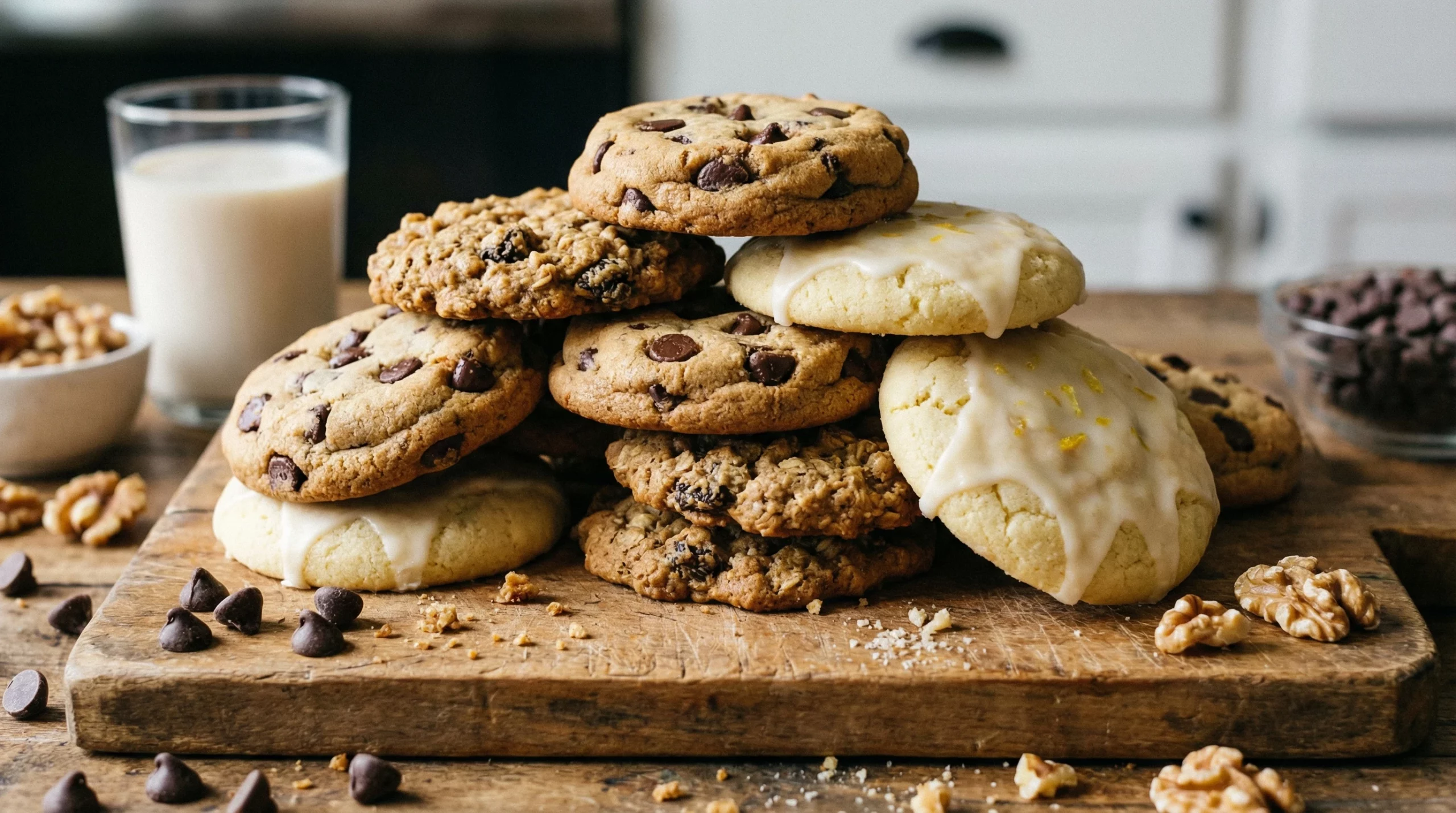
Vegan cookies have come a long way from the dry, crumbly treats many people used to expect. With all the great plant-based ingredients out there now, you can actually whip up vegan cookies that taste just as good, or even better, than classic recipes that use butter, eggs, or milk. Whether you’re vegan, have allergies, or are just looking for something new and tasty, vegan cookies deserve a spot on any sweets list. This article breaks down what makes vegan cookies so tasty, offers tips for baking your own, and shares a few recipes you’ll probably want to try right away.
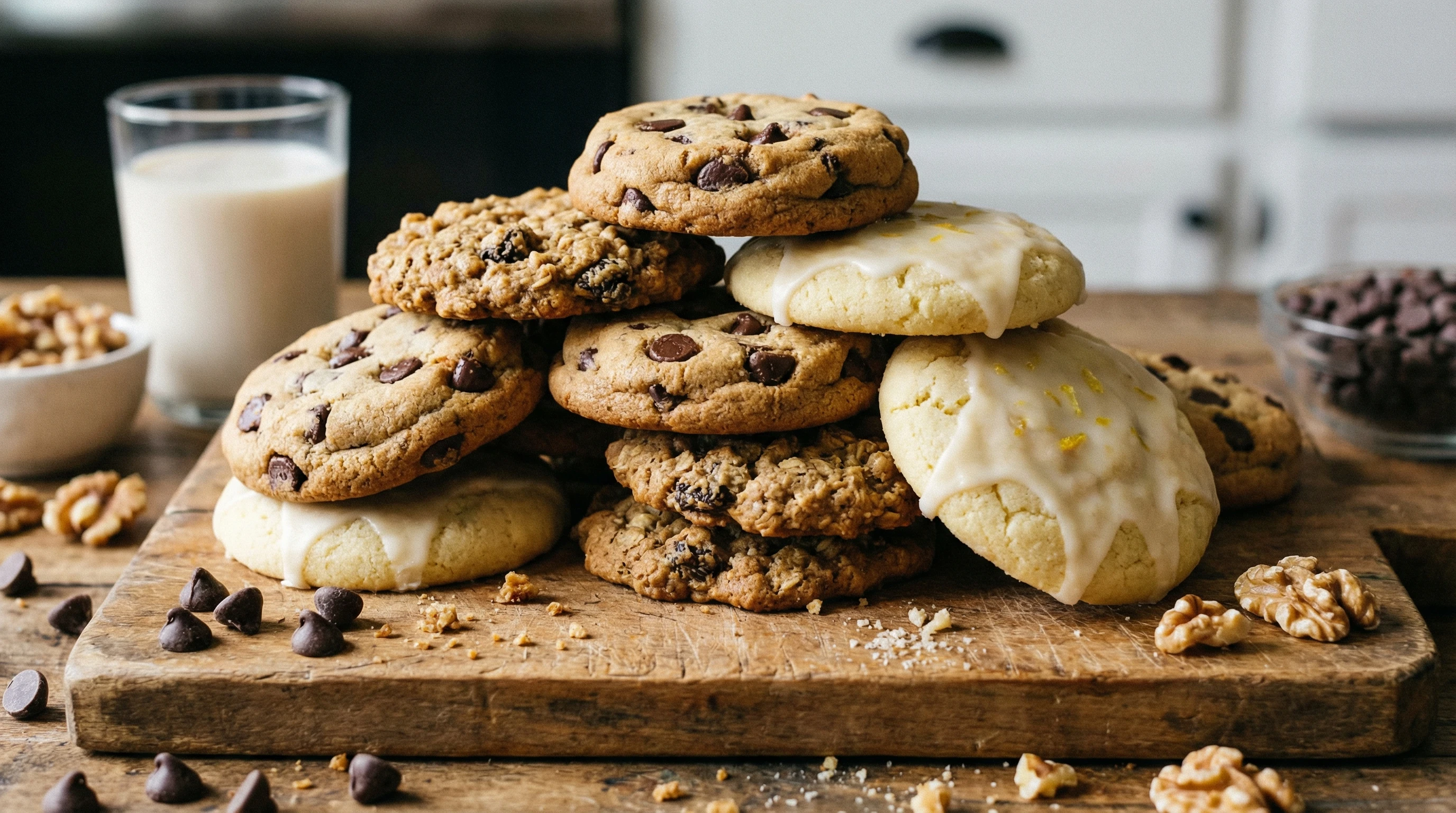
What Makes Vegan Cookies Better?
Plant-based cookies aren’t just about skipping animal products; they’re about crafting treats with new flavors and textures. Using things like nut butters, coconut oil, flaxseed, and oats means you can build a cookie with character, instead of relying on standbys like butter or eggs for richness and structure. It also means you avoid cholesterol and often end up with a lighter cookie that doesn’t feel so heavy.
The vegan baking market has picked up steam as people search for options that fit different diets and tastes. Studies from sources such as Grand View Research show vegan baking ingredients are more popular than ever. This means you’ll find awesome plant-based chocolate chips, dairy-free butter alternatives, and even ready-made vegan dough. All of these make it easy to get results you’ll want to share.
Plenty of folks say that vegan cookies have a clean, bright flavor, and depending on the recipe, you can give them a boost with things like cinnamon, crushed nuts, or dried fruit. This makes your cookies fun and packed with extras.
Vegan Cookie Essentials for Beginners
If you’ve never tried baking vegan cookies, you might wonder what’s needed to get the same chewy, soft, or crispy results as traditional cookies. I’ve found that it helps to start with a few staple substitutions and some smart pantry swaps. Here’s a quick rundown of the key plant-based ingredients that really work:
- Flaxseed Egg: Mix 1 tablespoon ground flaxseed with 2.5 tablespoons water and let it sit for 5–10 minutes to thicken. It acts as a binder like eggs do.
- Vegan Butter: There are plenty of solid dairy-free butters available. Search for ones without hydrogenated oils and with great taste reviews.
- Coconut Oil: A solidatroomtemperature fat that keeps cookies soft but not oily.
- Nut Butters: Almond, cashew, or peanut butter builds rich, gooey cookies. Just check the salt and sugar content to keep your recipe in balance.
- Plant-based Milk: Soy, oat, almond, and cashew milks work just fine in almost any cookie recipe.
Swapping in the right alternatives helps vegan cookie dough act just like traditional recipes, while making the final product feel fresh and a little healthier.
How to Nail the Perfect Vegan Cookie
When you change up a recipe to make it vegan, you’re usually looking to replace eggs and butter without losing moisture or flavor. Here are some tips and tricks I’ve used for great texture and taste:
- Don’t Skip Chilling: Chilling vegan dough matters even more than with classic recipes. It helps the fat set up and keeps cookies from spreading too thin while baking.
- AddIns Make a Difference: Mix in extra chocolate chips, chopped dried cherries, coconut, or roasted nuts. These turn up the flavor and help keep cookies moist.
- Watch the Bake Time: Vegan cookies often look slightly soft in the center when they’re done. Don’t overbake unless you want a super crunchy result.
- Salt is Your Friend: High-quality sea salt brings out sweetness and bumps up flavor, especially with plant-based recipes.
Following these strategies gives you cookies that are chewy in the center and crisp around the edges, which is what most of us crave.
Common Problems and How to Fix Them
Like anything new, baking vegan cookies comes with a learning curve. Running into a few hiccups? Here are the main issues I’ve run across and the best ways to solve them:
- Dry or Crumbly Cookies: Add an extra tablespoon of plant milk or a bit more coconut oil. Oats and nut butters can soak up moisture, so don’t be afraid to tweak as you go.
- Cookies Don’t Hold Together: Make sure you gave the flaxseed egg enough time to gel. If cookies are falling apart, add a splash more water to bind everything, or use a mashed banana as an alternative egg replacement for a softer cookie.
- Not Sweet Enough: Try maple syrup, coconut sugar, or date syrup to deepen flavor without going overboard with plain sugar.
- Flat Cookies: Chill the dough and avoid overmixing. If that doesn’t work, adjust your ratio of fats and flour a little at a time until you see improvement.
Improving Your Vegan Cookie Game
Baking is really about experimenting, so don’t stress if the first batch isn’t perfect. Once you get a few easy recipes under your belt, it becomes second nature to make swaps or add your own twist. Explore new ingredient combos and share your best results with friends and family.
Vegan Cookie Recipes You’ll Want to Try Right Now
- Classic Chocolate Chip: Use dairy-free chocolate chips, vegan butter, and a flax egg. Stir in vanilla and chopped nuts for extra crunch.
- Oatmeal Raisin: Rolled oats, cinnamon, and brown sugar make these extra hearty. Unsweetened applesauce works in place of eggs, boosting moisture.
- Tahini Maple: A few spoonfuls of tahini, some maple syrup, and dark chocolate chunks make a rich, nutty cookie that’s a little out of the ordinary.
- Lemon Sugar Cookies: Lemon zest, vegan butter, and a touch of coconut milk give these cookies a light, bright flavor that’s perfect for tea time or summer snacking.
- Peanut Butter Chocolate Swirl: Mix peanut butter and vegan chocolate chips into your favorite vegan cookie base for a flavor pairing that never goes out of style. For a more festive version, roll the dough in chopped peanuts or add a sprinkle of sea salt before baking.
You can find tons of vegan cookie inspiration online from well-trusted sources like Minimalist Baker or the New York Times’ vegan baking collection. Check out a few and see which ones suit your taste buds the best!
Why Vegan Cookies Work for Everyone
You don’t have to be vegan to enjoy these treats. Many people use vegan recipes because of allergies to dairy or eggs, or simply for a change of pace. Since most vegan cookie bases are made from simple, real-food ingredients, they fit easily into many diets, making them a great choice for parties or sharing with friends who have different needs.
- Kid Friendly: Without eggs or raw dairy, vegan cookie dough is safe to eat raw and makes a fun kitchen project for little ones.
- Easy to Adapt: Switch up add-ins or adjust sweeteners to tailor each batch to what you’ve got on hand or what’s in season.
- Great for Gifting: Vegan cookies keep well and stay fresh for days, so they’re an easy, thoughtful homemade gift. You don’t need to worry if someone has dietary restrictions because these cookies fit many needs.
Frequently Asked Questions
If you’re new to plant-based baking or just want a quick reference, here are questions I hear the most often:
Do vegan cookies taste different from regular cookies?
Most people can’t tell the difference. If anything, the flavors come through a little brighter and you can control richness and texture more easily with the right combos of ingredients.
How do you get vegan cookies to stay soft?
Add a spoonful of applesauce or use a mix of brown and white sugar. Storing in an airtight container helps lock in moisture, too.
What are some good egg substitutes in cookies?
Flaxseed eggs, unsweetened applesauce, mashed banana, or even pureed silken tofu all work. Each gives a slightly different texture, so try a few and see which you like best.
Can I use regular cookie recipes and just substitute vegan ingredients?
Most of the time, yes! Swapping the butter for a vegan version and the eggs for flax or chia seed eggs works in most dropcookie or bar recipes. A little experimenting is part of the fun.
Making Vegan Cookies at Home
If you’re eager to experiment, you only need a few pantry staples to get started. Nondairy milk, vegan butter, nut butters, and flax meal are worth stocking up on if you plan to bake often. Investing in a silicone baking mat or some parchment paper makes cleanup easy; you’ll never have cookies stuck to your pan, which is always a win.
Baking vegan cookies isn’t just about swapping out animal products. It’s about finding new ways to enjoy dessert that feel inclusive and delicious for everyone. Every batch can be a new adventure, and once you’ve tried a few, it gets easier to make them a regular part of your kitchen lineup. Happy baking!