
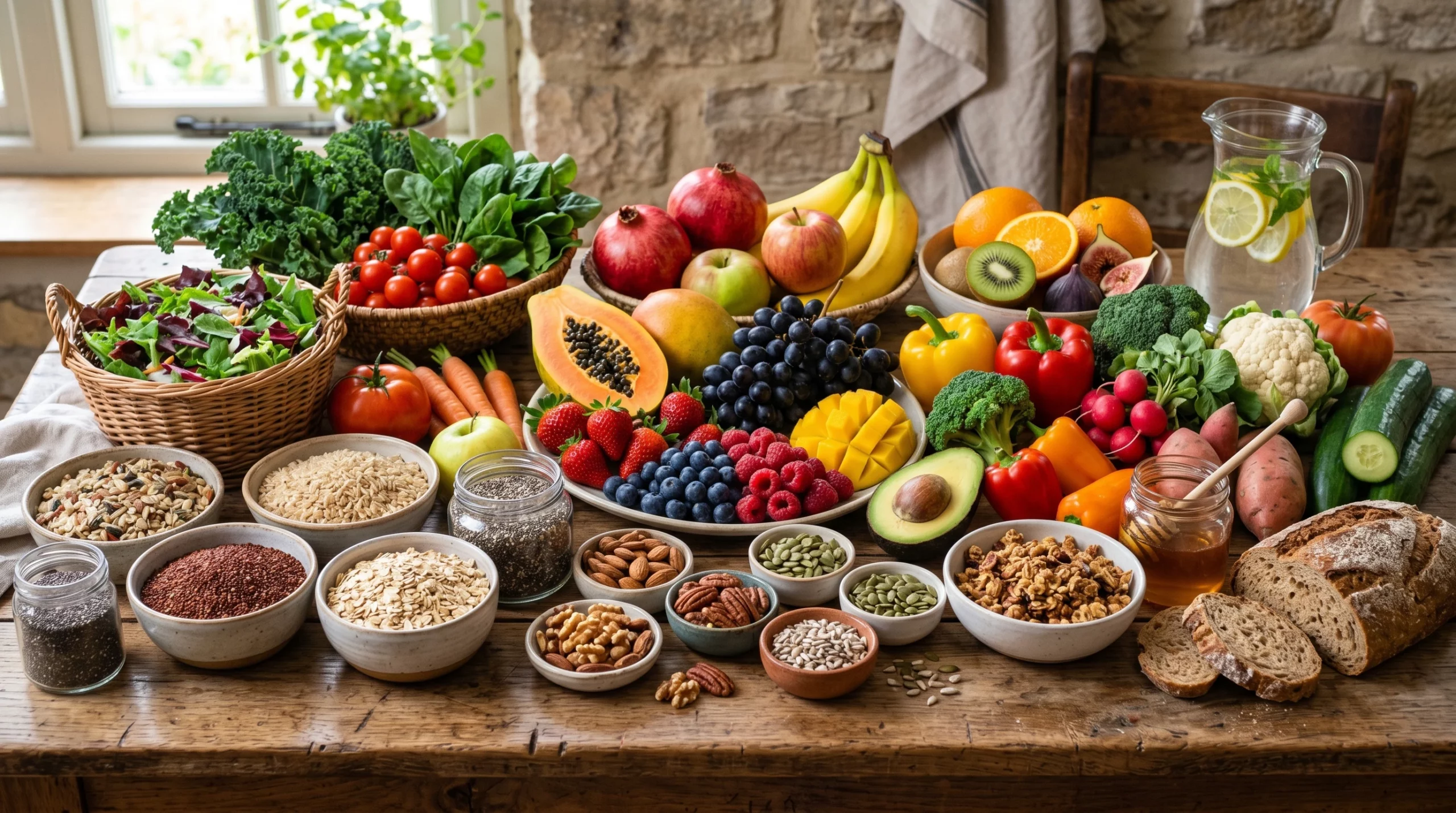
Building a healthy relationship with food goes way beyond strict diets or rigid eating rules. I see it as an ongoing process that helps reduce stress around food, supports both physical and mental well-being, and brings back the actual enjoyment of eating. Many people today find themselves caught in cycles of guilt or confusion over what, when, or how much to eat. Getting back to balance can take some pressure off and even allow food to just be food again. This article covers practical steps and fresh perspectives to help you find that balance and genuinely foster positive habits around eating.
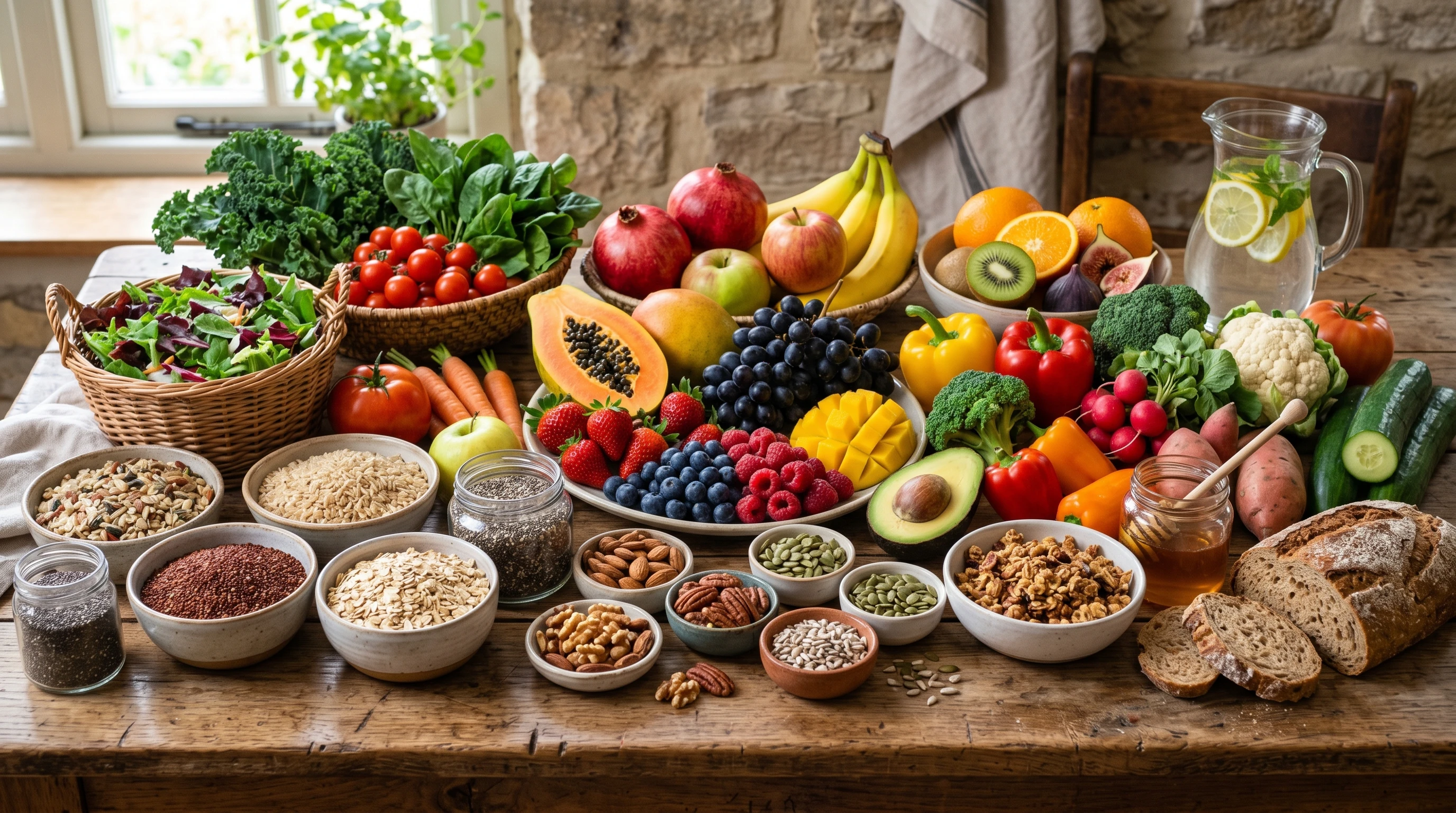
Why Balance With Food Matters
Having a truly balanced mindset about eating isn’t just about weight or what’s on your plate. I find it makes meals less stressful, builds a sense of confidence in making food choices, and even boosts long-term health. Worldwide, trends show more people wanting to ditch the extremes, like highly restrictive or all-or-nothing meal plans, for a more supportive, middle-of-the-road approach. Research supports that balanced eating habits lower the risk of chronic diseases, keep energy steady, and may even improve mental outlook.
Food culture has changed a lot over the years. Once, most meals were about gathering, sharing, and fueling the body. Modern influences—think “diet” culture, social media, and fad trends—have piled on rules and guilt. So, refocusing on balance helps switch things back to food as both nourishment and pleasure.
What Does a Healthy Relationship With Food Look Like?
Finding the middle ground with food can feel tough in a world pushing constant extremes. When I think about a truly healthy relationship with food, here are some features I always notice:
- No Guilt or Shame: Eating isn’t punished or rewarded. It’s neutral, and all foods can fit into your day-to-day life, without strict labeling as ‘good’ or ‘bad.’
- Body Awareness: Choices come from listening to hunger, fullness, and satisfaction cues, not from a set of outside rules.
- Enjoyment and Variety: Eating is exciting and includes lots of flavors and foods, not just a handful that “fit the plan.”
- Flexibility with Occasions: Social events, holidays, and spontaneous treats aren’t stressful; they’re just part of the experience.
How to Start Building Balance in Everyday Eating
Switching to a balanced approach isn’t about overhauling your entire routine overnight. Simple, consistent steps help build lasting habits. Here’s what I recommend when you’re hoping to break free from food anxiety or rigid rules:
- Include All Food Groups: Carbs, proteins, fats, fruits, and veggies all have a place. Skipping whole groups sets you up for cravings and nutritional gaps.
- Practice Mindful Eating: I slow down at meals and check in with my body. Hunger, fullness, and satisfaction signals tell you a lot! It’s worth getting familiar with them again.
- Plan With Flexibility: Meal planning is useful, but keeping things too rigid can backfire. I leave room for unknowns, like an impromptu dinner invite or a last-minute craving.
- Normalize “Comfort Foods”: There’s a place for salad and a place for cake. Labelling one as right and one as wrong often backfires over time.
- Avoid Food Morality: Food doesn’t have moral value. I let go of guilt or judgment over enjoying a dessert or skipping a juice cleanse.
Challenges That Can Come Up (And How I Handle Them)
Changing how you think about food brings up real-life challenges. Here are common ones I see and some of my favorite ways to work through them:
- External Pressures: Diet talk at work, online advice, or family habits can crowd your own food decisions. Setting boundaries and finding supportive communities (like intuitive eating resources or friendly dietitians) can really help.
- Emotional Eating: Eating in response to stress, boredom, or emotions is common. I’ve found that adding tools like journaling or a quick walk can help you pause and process feelings before heading to the kitchen.
- Body Image Issues: Sometimes food struggles are tangled with self-image. Working with a therapist, practicing gratitude for your body, and challenging negative self-talk can help over time.
- Mixed Health Advice: With so many “experts” online, sorting fact from fad matters. I stick to information from registered dietitians and trusted science-backed sources.
Dealing with Social Situations
Food is nearly always part of holidays, birthdays, or work gatherings. Stress can show up if you’re worried about overeating or judgment from others. I remind myself: one meal never defines my health, and enjoying food socially is important for connection. Having a snack before an event, eating slowly, and focusing on the people, not just the food, have made a big difference for me.
Letting Go of “Cheat Days” or Food Tracking
A lot of diet trends push the idea of “cheat meals” or obsessively tracking every calorie. From my experience, these tricks keep you locked in a cycle of overdoing and restriction. Moving away from counting and cheat mindsets frees up energy and reduces guilt. Some folks may find tracking helpful for medical or personal goals, but for most, flexible patterns lead to better long-term habits.
Practical Tips to Make Balanced Eating Easier
Adding balance to your day isn’t about perfection. I like to mix in some practical things that make it easy to stick with:
Meal Prep Shortcuts: Cut up veggies at the start of the week, batch cook your favorite grains or proteins, and keep canned beans or frozen produce on hand for quick meals. Convenience isn’t a bad thing.
Smart Snacking: I keep a mix of snacks available. Some are nutrient-packed (like mixed nuts, yogurt, or fruit) and others are just for fun (think popcorn or a couple of cookies). Both types have a place.
Hydration Routine: Sometimes thirst disguises itself as hunger. Keeping a refillable water bottle nearby helps me stay hydrated and tune in to true hunger and fullness.
Dining Out Without Stress: Restaurants are part of life, and you don’t have to overthink it. I look over the menu, choose what sounds tasty and satisfying, and if I want dessert or an appetizer, I go for it without regret.
Responding to Setbacks: Balanced eating is a practice, not perfection. When I overeat or slip into old patterns, I take a breath, reflect on what triggered me, and reset for the next meal. Beating yourself up doesn’t serve you. Viewing each meal as a fresh start sets you up for long-term success.
RealWorld Applications of Balanced Eating
Balanced eating isn’t just about meals at home. Here’s how it can show up in everyday life and bring positive changes:
- School Lunches: Kids benefit from a variety of foods. Sometimes a simple sandwich, veggies, and a cookie tick all the boxes.
- Busy Workdays: I don’t always have time for gourmet meals, and that’s okay. A filling snack or simple wrap keeps me going when time is short.
- Celebrations: Special events and holidays should be fun, not fraught with food guilt. Balance means sampling what you like and stopping when you’re full, instead of chasing perfection.
- Family Dinners: Balancing everyone’s preferences can be tough, but offering choices and serving meals family style helps everyone feel included. Remember, it’s not about making one “perfect” meal, but about sharing time and enjoyment together.
Frequently Asked Questions
I see a lot of questions from people trying to build a healthy relationship with food. Here’s what comes up most often, along with my practical answers:
Question: How do I know if my eating habits are balanced?
Answer: If you enjoy a wide variety of foods, eat when you’re hungry, and stop when you’re satisfied, free from guilt or obsession, you’re likely finding balance. If meals feel stressful or restrictive, it might help to loosen some food rules.
Question: What can I do to stop labeling foods as “good” or “bad”?
Answer: Start by noticing when you use these labels. Challenge them: ask yourself, “What is this food providing—comfort, energy, nostalgia?” All foods can fit based on context and reason.
Question: I struggle with bingeing or restricting certain foods. Any advice?
Answer: The urge to binge or restrict often lessens when foods aren’t off-limits. Allow yourself to eat those foods regularly, paying attention to how you feel before, during, and after. Sometimes talking with a supportive dietitian or therapist can really help.
Question: How do I involve my family or friends in more balanced eating?
Answer: Modeling balanced habits—like sharing both nutritious meals and fun treats—shows others it’s possible to enjoy food without stress. Invite loved ones to try new recipes, have open conversations about food rules, and celebrate variety at mealtime. Small changes together can make a big difference over time.
Key Takeaways for Lasting Balance
Building a healthy relationship with food is about letting go of guilt, tuning in to what your body needs, and making room for both nutrition and satisfaction. It’s okay for your approach to switch up over time, and there’s no one-size-fits-all plan. Trusting yourself around all types of foods, being flexible, and giving yourself grace if things aren’t perfect are great places to start. There’s so much freedom in simply liking what you eat and not letting food run the show.
Finding balance takes practice, but it pays off big time with less stress, better health, and way more enjoyment at every meal. Remember, each step counts, and every meal is a fresh opportunity to treat yourself with care and kindness.