
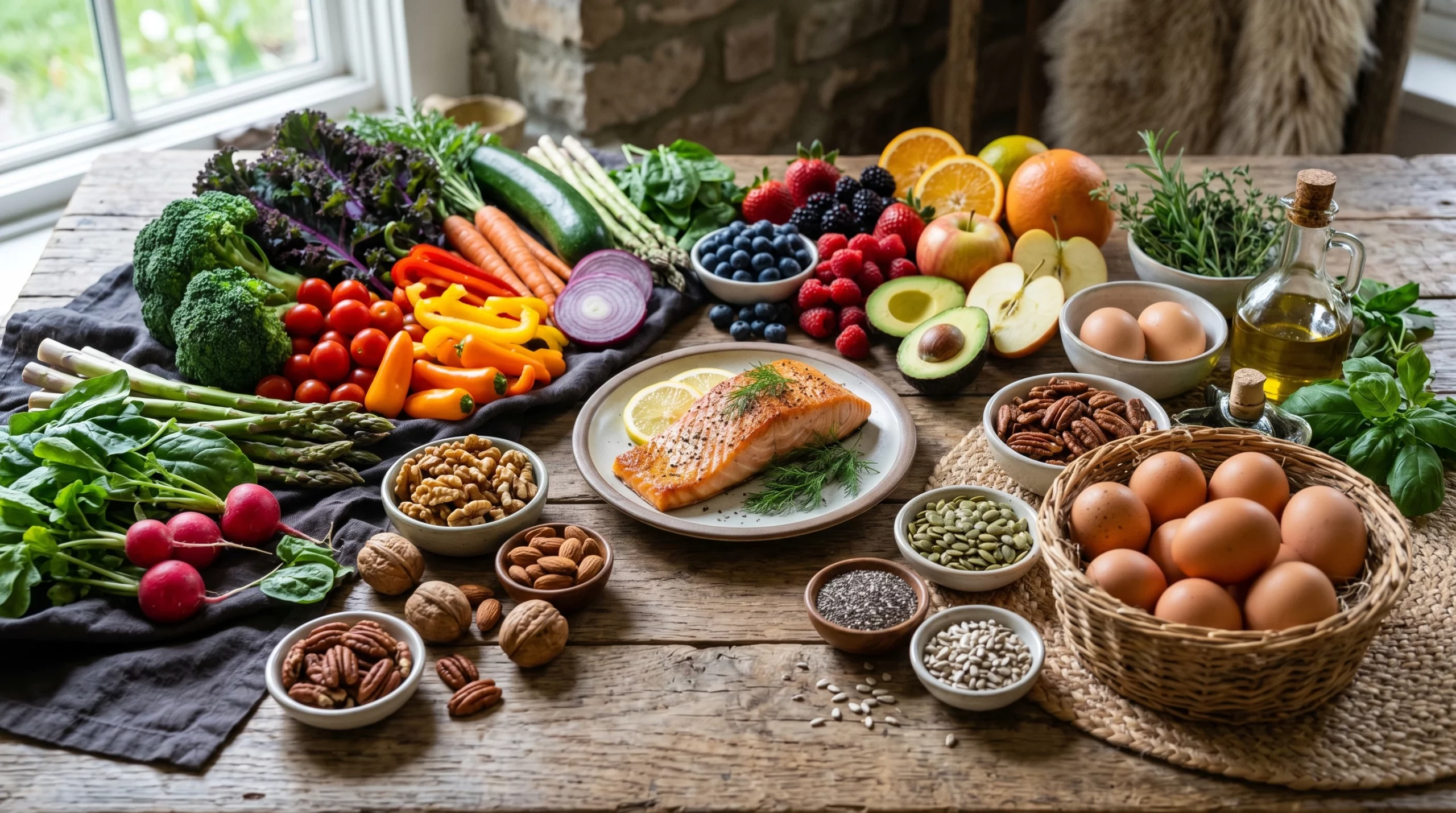
Paleo Diet is often called the “caveman diet,” but it’s really just about getting back to eating foods that humans would have hunted or gathered before we had farms and supermarkets. I’ve noticed a lot of people are curious about what the Paleo Diet involves and how it could fit into modern life, so here’s a practical, down-to-earth guide to embracing hunter-gatherer nutrition, based on my own experience with this diet and what I’ve learned through research and daily life.
What Is the Paleo Diet?
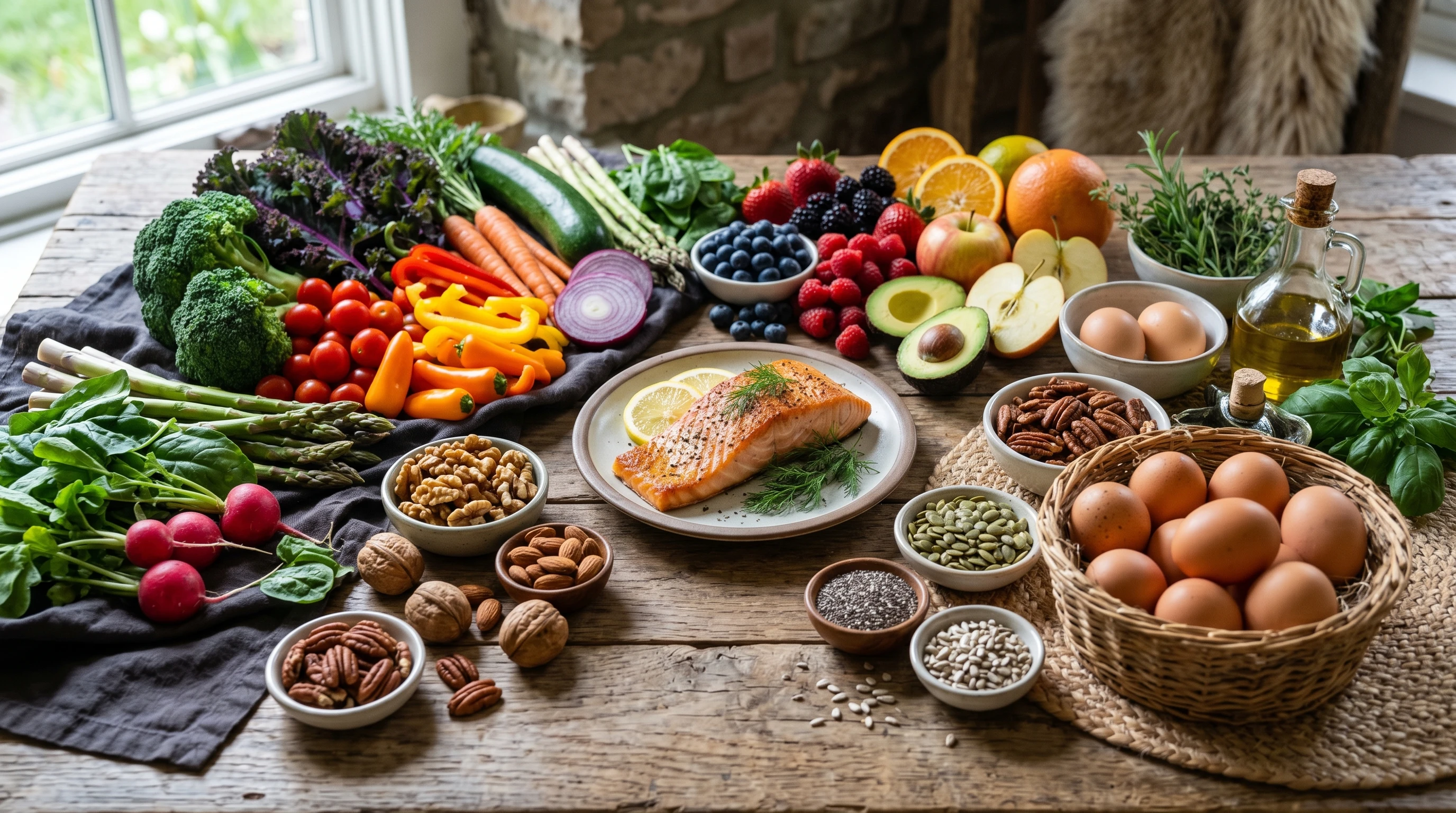
Paleo Diet is all about focusing on foods that our prehistoric ancestors might have eaten. It stays simple: think meats, fish, vegetables, fruits, nuts, and seeds. The main idea is to skip processed foods, grains, legumes (like beans and lentils), dairy, and added sugars. People following Paleo believe that eating this way, closer to how humans evolved, can offer some real health perks like better digestion and more stable energy throughout the day.
While scientists and experts still debate the “perfect” prehistoric diet, most agree that processed foods only appeared recently and probably didn’t do modern health any big favors. That’s where Paleo comes in for those who want to see if simpler, ingredient-focused eating helps them feel and perform better.
Starting Out With Paleo: The Basics
If you’re new to Paleo, making the first switch may feel like a big jump, especially if you’re used to bread, pasta, and dairy. Transitioning in steps instead of overnight can make it way easier. Here’s what I did when trying Paleo for the first time:
- Clear out processed snacks: Basically, if it has more than a handful of ingredients, set it aside.
- Stock the kitchen with real foods: I got plenty of fresh vegetables, some leafy greens, root veggies, avocados, and a mix of fruits. I picked up eggs, wild-caught fish, chicken, and some grass-fed beef, too.
- Look for healthy fats: Olive oil, coconut oil, and avocado oil are pretty handy for cooking or for dressing salads.
- Choose nuts and seeds for snacks: Almonds, walnuts, and sunflower seeds work as good grab-and-go options.
I found out quickly that prepping a few meals in advance keeps things smooth, especially on busy days when convenience foods can be tempting.
Core Principles of Hunter-Gatherer Nutrition
Paleo isn’t just about the foods you eat but also about the mindset behind it. It’s about focusing on whole foods, variety, and cooking for yourself. Here are a few core principles that guide Paleo eating:
- Eat whole foods, not products: If you can imagine picking, fishing, or hunting it, it probably fits in Paleo.
- Skip added sugar and artificial ingredients: Sweeten things with fruit if you have a sweet tooth.
- Pay attention to food quality: Grassfed, pasture-raised meats and organic veggies can make a difference for flavor and peace of mind.
- Move regularly: While it’s not a food rule, being active is a big part of the Paleo “lifestyle.”
Trying to mimic the variety in a hunter-gatherer’s diet means I eat more types of veggies and fruits than I ever did before Paleo.
Common Challenges and Practical Solutions
Sticking to the Paleo Diet can run into a few snags, especially in a world full of tempting, processed foods and social gatherings built around pizza or dessert. Here are a few things that tripped me up and how I handled them:
- Finding Paleo snacks on the go: I started carrying a bag of mixed nuts, dried (unsweetened) fruit, and sometimes a hard-boiled egg or jerky.
- Cravings for bread or pasta: Roasted sweet potatoes and zucchini noodles give a decent replacement for carb-heavy sides, and they’re satisfying when seasoned well.
- Eating out at restaurants: I usually scan the menu for grilled meats or fish and lots of veggies, skipping sauces or breaded options.
- Getting enough calories: It felt tough at first since a lot of go-to snacks were off-limits. I fixed this by adding more healthy fats, like avocado slices or cooking with coconut oil.
Dealing With Social Situations
Dinner parties, birthdays, or work lunches can get a little awkward at first. I found that letting friends know ahead of time I’m eating Paleo makes things easier, and I’ll often bring a Paleo-friendly dish to share. Most people are totally cool with it, especially when you pitch it as “I just feel better this way.”
Paleo Meal Ideas For Everyday Life
Once you get a feel for Paleo staples, coming up with meals feels much less daunting. Some of my favorite simple meals include:
- Scrambled eggs with sautéed spinach, tomatoes, and avocado: A filling start to the day.
- Grilled chicken thighs with roasted root veggies: Easy, comforting, and perfect for meal prep.
- Wild salmon baked with lemon, olive oil, and fresh herbs: I usually pair this with asparagus or broccoli.
- Big salads loaded with mixed greens, shredded carrots, cucumber, nuts, and grilled steak or shrimp: The key is to use a simple olive oil and lemon dressing.
Snacking is simple too. I usually go for raw veggies, a handful of berries, or a small mix of nuts. Paleofriendly energy balls made with dates and coconut are also worth checking out. Trying out new Paleo recipes, like homemade beef stew with root vegetables or oven-baked sweet potato fries, can keep your meals interesting and give you a wider range of flavors and textures to enjoy.
How Paleo Affects Health
One reason so many people check out the Paleo Diet is that they’ve heard it can help with weight management, clearer skin, fewer digestive complaints, or just more steady energy. From my own experience, swapping processed foods for whole ingredients did leave me with way fewer midafternoon slumps and a less jittery stomach.
Current studies on Paleo suggest it may support healthy blood sugar, especially in people with blood sugar spikes from typical Western diets. Some folks with food sensitivities (especially to gluten or dairy) notice big improvements, although results aren’t the same for everyone. Always a good idea to check with a doctor or registered dietitian before starting anything totally new, especially if you have health conditions. Also, staying hydrated and making sure you get enough micronutrients, like potassium and magnesium from fruit and vegetables, can help you avoid issues such as fatigue or headaches during your first weeks of Paleo.
Things to Consider Before Going Paleo
Like any change in how you eat, it’s smart to read up and think through what fits your goals and lifestyle. Here are a few things I recommend thinking about:
- Cost: Buying top-quality meats and organic produce can get pricey. Shopping local, in season, and using frozen veggies helps stretch the budget a lot.
- Time: Home cooking takes more effort, but batch cooking and simple one-pot meals keep things practical.
- Family or shared meals: If you live with others, planning meals that suit everyone helps dodge dinner drama. Sometimes, I make the base meal Paleo, but offer rice or bread for others who want it.
Doing careful research on Paleo helps you make choices that fit your specific needs, and talking with a health pro can be super helpful. It’s also helpful to understand that everyone’s body responds differently to dietary changes, so be patient as you track your progress and remember that small adjustments can make your Paleo adventure smoother.
Extra Tips and Tricks for Sticking With Paleo
Making Paleo work long-term usually means building a little toolkit of strategies. Here are a few that I find really useful:
- Meal prep smart: Chop veggies or marinate meat in advance so dinner comes together fast.
- Keep “emergency” Paleo snacks handy: A stash of roasted nuts or some homemade jerky can save the day.
- Don’t sweat perfection: If you go off plan at a party or out of convenience, don’t stress. Real life happens, and one meal doesn’t change everything.
- Explore new herbs and spices: Mixing up seasoning makes meals more exciting, so I try something new every month.
These approaches keep things interesting and flexible, along with helping dodge burnout or boredom with food choices. Joining online communities or following Paleo bloggers can give you fresh meal inspiration and keep your motivation strong, even when your routine hits a snag or you’re craving something different.
Paleo Diet: Frequently Asked Questions
Here are some of the questions I get most often from curious friends and readers about trying Paleo:
Question: Can I follow Paleo if I’m a vegetarian?
Answer: Paleo is definitely more meat- and veggie-focused, but some vegetarians adapt it by including eggs, nuts, seeds, and lots of produce. It takes a little more creativity and planning, though.
Question: Is coffee allowed on Paleo?
Answer: Black coffee is generally okay, but most avoid adding dairy or processed creamers. I sometimes use coconut milk if I want something extra.
Question: Can you do Paleo on a budget?
Answer: Focusing on in-season produce, sale items, and cheaper cuts of meat (like chicken thighs) really helps keep costs down. Buying in bulk is another way to save.
Question: Will I lose weight on Paleo?
Answer: Many people do find they lose weight while eating Paleo, mostly because you eat fewer processed foods and more whole, filling ingredients. Everyone’s different, though, so results vary.
Everyday Paleo: Wrapping Up
Paleo Diet encourages eating foods that are as close to their natural state as possible, which many people, myself included, find leaves them feeling more energized and in tune with what their bodies actually need. Trying Paleo doesn’t mean you have to live in the Stone Age or give up every comfort food, but it can help you reconnect with real ingredients and more mindful eating. Whether you decide to go full Paleo or just borrow a few ideas, the focus on simple, whole foods is a win for most modern diets.