Weekend cooking rituals are my favorite way to get myself prepped for an easier, tastier week. Planning and prepping meals on the weekend takes some of the guesswork out of weekday dinners and lunches. Honestly, it’s super satisfying to open your fridge and see that everything’s sorted for the days ahead. If you want your weeknights to feel less chaotic (and maybe eat better too), building a weekend cooking habit is worth checking out. Here’s how I make it work, and tips to help you get the most out of your efforts.
Why Weekend Cooking Rituals Are Actually Really Handy
Spending a little time on the weekend to prep for the week isn’t just about convenience. It truly helps you stick to your health goals, save cash, and cut down on food waste. I’ve noticed that when I skip prepping, weeknights wind up feeling rushed or repetitive, and reaching for takeout becomes too tempting. Cooking ahead doesn’t have to mean making whole meals for the week. Sometimes, it’s just about prepping some key ingredients, so you can put together different dishes in a snap.
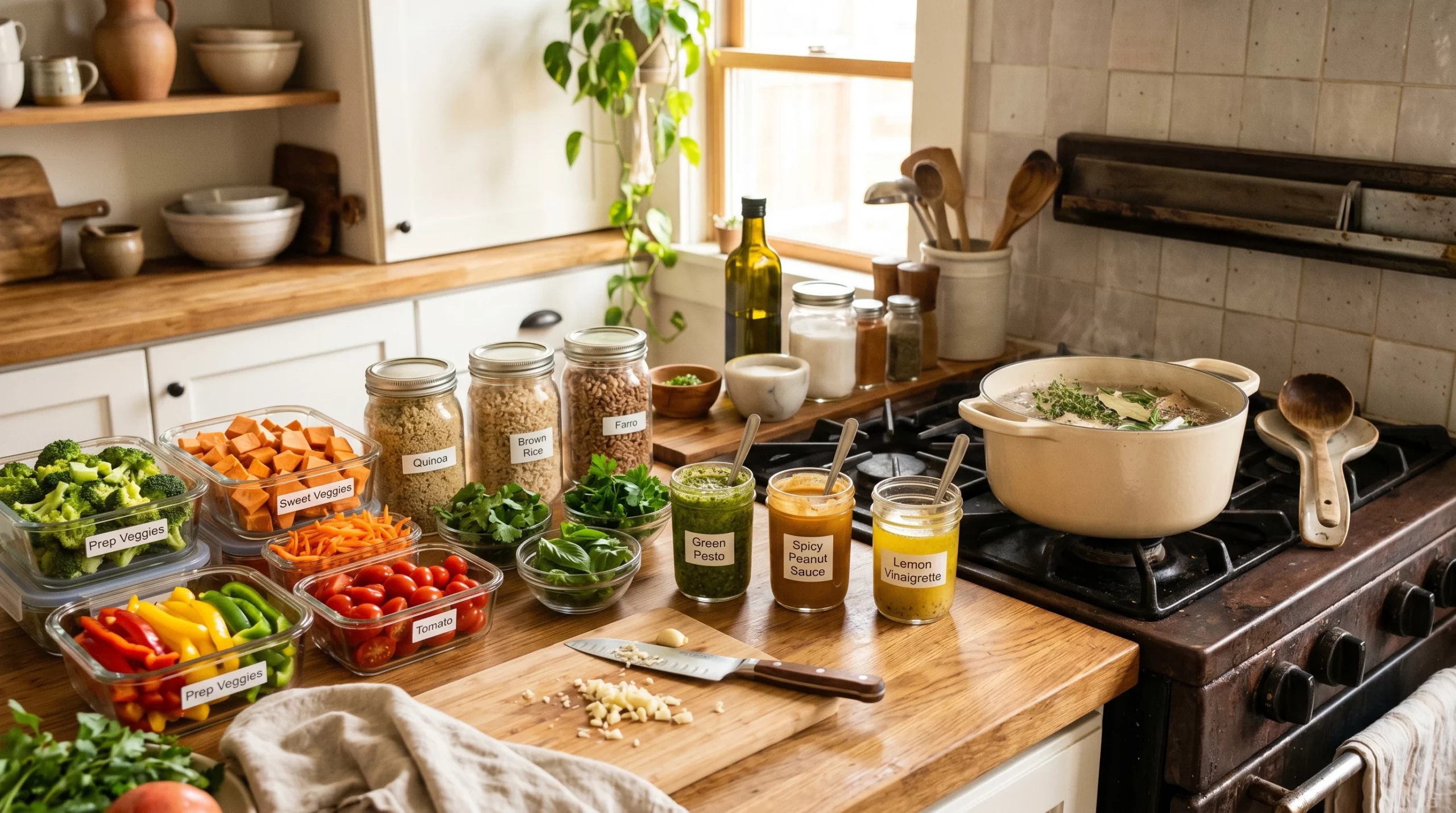
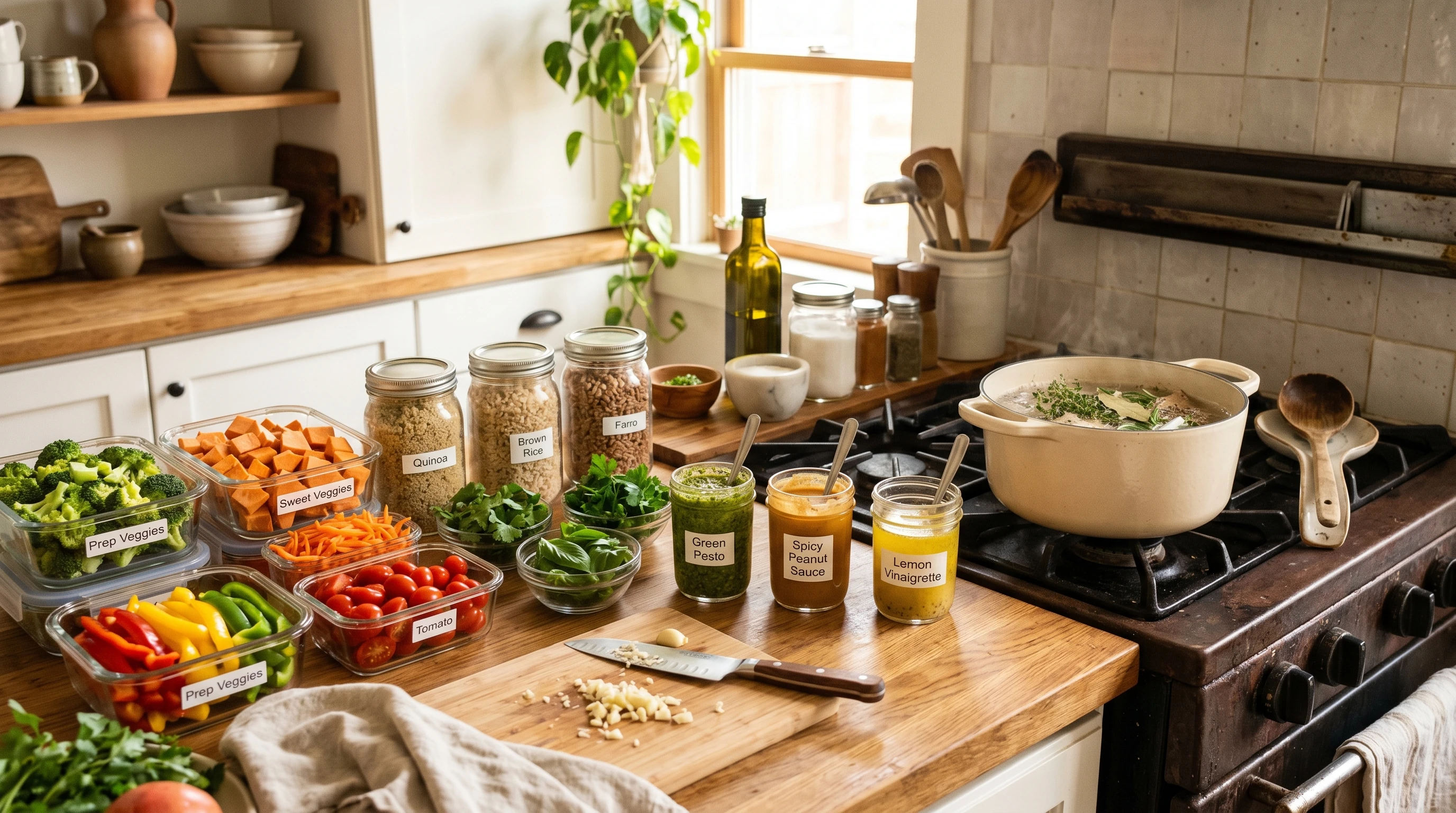
Lots of folks find a simple two-hour block on Sunday is enough to prep the basics. Batch up some grains, roast veggies, cook up protein, and whisk together a couple sauces. According to a 2023 survey from the Food Marketing Institute, people who do even minimal meal prep say they feel less stress around meals in the middle of the week and report eating more home-cooked dinners.
I didn’t always naturally cook ahead for the week. At first, I thought meal prepping meant eating the same leftovers for days. That sounded pretty boring. But after trying different techniques, I figured out a rhythm that actually feels like self-care instead of a chore.
Getting Started with Weekend Meal Prep
The first move is to figure out your goal for this cooking habit. Do you want grab-and-go lunches? Super quick dinners? Or just some healthy snacks ready to eat? Jotting down your main aims keeps your prep list focused and your process realistic. Each week, I look at things through this lens:
- Pick Your Core Meals: I check the week ahead and mark down which nights will be rushed, then plan to have complete meals prepped for those days.
- Focus on Ingredients: Sometimes, prepping components (like chopped veggies, cooked chicken, marinated tofu) is more useful than assembling the whole dish ahead. This way, I can throw together different meals on the fly.
- Choose Simple Recipes: I usually stick to tried-and-true dishes, like soups, curries, stirfries, or grain bowls. These dishes are easy, forgiving, and super adaptable.
- Make a Shopping List: A quick pantry check before shopping helps me avoid overbuying or leaving out something important.
Step-by-Step Guide to Building Your Own Cooking Ritual
It took some trial and error to figure out that meal prep is best when broken into smaller steps. My usual weekend ritual looks something like this:
- Review Your Schedule: Double-check your calendar and spot any nights when a speedy meal will feel like a lifesaver (such as after late meetings or kids’ activities).
- Plan 3-4 Core Dishes: Typically, I choose a soup, a tray of roasted veggies, a protein (like chicken or beans), and maybe a cooked grain like rice. These are my building blocks for flexible meals.
- Batch Cook: Doubling recipes or cooking in batches means plenty of leftovers or extras for the freezer. I’ll often make extra brown rice to keep handy for fried rice or grain bowls.
- Mix and Match: Prep a couple of sauces or dressings—vinaigrette, tahini, peanut sauce—to keep flavors interesting. You’d be surprised how much a new sauce can switch up a meal.
- Prep Snacks, Too: Pre-sliced fruits and veggies, portioned trail mix, or a batch of homemade muffins. These little grabs make it easier to ignore packaged snacks come Wednesday afternoon.
When Sunday rolls around, I put on some music, gather my best kitchen tools, and jump right in. By the end, there’s usually enough variety that every day’s meal feels a bit different.
Planning Tips and Handy Tricks That Make A Difference
After lots of experimenting, these are the tricks that keep my weekend meal prep smooth and (dare I say) even fun at times:
- Stick With What Works: If your family loves certain meals, there’s no shame in repeating them. Having a go-to formula is just practical—chili and baked potatoes are regulars in my house.
- Batch Sauces and Dressings: A good sauce is a real flavor booster. Salsa, pesto, or peanut sauce can jazz up pretty much any meal.
- Store Properly: Glass containers help keep everything fresh. Stackable containers will also give you back some precious fridge space.
- Use the Freezer: Freezing cooked grains, beans, or even finished meals makes Tuesday dinner that much easier. Be sure to label with dates to avoid mystery leftovers later.
- Clean as You Go: Keeping a soapy sink handy for dirty tools means less mess at the finish line.
Pick Some Core Recipes You’ll Actually Want to Eat
One crucial thing I figured out: having a mental list of reliable recipes makes all the difference. These are dishes that taste great for days and don’t turn soggy or bland. Here are regulars in my rotation:
- Sheet Pan Dinners: Just toss veggies and your favorite protein on a baking sheet, season, and roast. Change up the produce and protein depending on what’s fresh or affordable.
- Soups and Stews: These only improve in the fridge and are perfect for freezing. Lentil soups, chicken chili, or minestrone are crowd-pleasers in my home.
- Rice or Quinoa Bowls: With a cooked grain as the base, add roasted or raw veggies, some protein, and a sauce. This is hands-down the most flexible meal and an awesome way to clear out leftover odds and ends.
- Breakfast Bakes: Egg muffins, overnight oats, or baked oatmeal make morning meals a total breeze. I tend to double the batch for extra busy weeks.
Troubleshooting Common Challenges with Meal Prep
Even with good intentions, some pitfalls can make meal prep feel tough. Here’s what can get in the way—and how I handle each snag:
- Getting Bored: Using various spice mixes, mixing up sauces, or swapping grains keeps flavors interesting. Subbing brown rice with farro or switching up a sauce can put a whole new spin on leftovers.
- Losing Motivation: I set a timer and race myself to see how fast I can knock out chopping or cleaning. It’s a fun way to break through a motivation slump.
- Food Waste: Using up bits and scraps in frittatas, quesadillas, or smoothies keeps food waste low. Don’t throw out what you can toss in tomorrow’s lunch!
- Running Out of Fridge Space: Max out your freezer for extras, and use those stackable containers for efficient storage. If all else fails, share a meal with a neighbor or friend.
How Much Prep Is Enough?
There’s no universal rule — it all comes down to your schedule and appetite. Sometimes, I prep for under an hour, just doing building blocks; other weekends, I go all-in, stocking the fridge with full meals. It’s fine to start small: prep just lunch this time, maybe breakfast and a dinner or two next week. Eventually, you’ll land on the level of prep that suits your lifestyle.
Answering Common Questions for First-Time Meal Preppers
I hear the same questions a lot when talking about “weekend meal prep” with friends. Here’s how I answer them:
Question: Does meal prep mean eating the same thing all week?
Answer: Not at all. If you prep ingredients instead of whole meals, you can mix and match to make every meal feel new.
Question: Isn’t meal prep expensive or time-consuming?
Answer: It actually saves money since you use up what you buy, and you’ll skip impulse takeout. Prepping simple staples like grains and roasted veggies is usually quick once you get the hang of it.
Question: How do I keep food fresh for the full week?
Answer: Airtight containers in the fridge keep prepped foods fresh for about 3 to 4 days. Grains, roasted veggies, and stews all freeze well, so pop some in the freezer for later. More delicate items, like salad greens and avocado, are best prepped fresh the day you want them.
Wrapping Up: Making Weekend Cooking a Habit
Weekend cooking rituals are a straightforward way to take the stress out of weekday meals. With a little planning and some go-to recipes, you can make your evening meals faster, healthier, and way more fun. The main thing is to stay flexible and adjust to what your household really likes—don’t hesitate to experiment, swap recipes, or just focus on prepping what you’ll actually eat. With every new week, the habit gets easier and more rewarding.