Batch cooking is one of those time-saving kitchen tricks that just makes everyday life easier. If you want to eat healthier, save some cash, or simply claim back more free time during a busy week, learning how to batch cook helps you keep your kitchen running smoothly. Here, I’ll share my hard-won tips and favorite techniques for batch cooking that make prepping healthy meals at home totally manageable—even if your schedule always feels crunched for time.
Why Batch Cooking Works for Healthy Homecooks
Batch cooking is simply about prepping bigger quantities of meals or ingredients all at once, then storing them safely for future meals. This method lets you dodge constant meal prep and the endless parade of dishes throughout the week. Instead of cooking each day, you get it all done once (maybe twice) and have food ready whenever hunger strikes.
Increasingly, people are switching to batch cooking. As life only gets busier and restaurant prices spike, this method is a lifesaver. Personally, batching my meals keeps my eating on the healthier side—no last-minute takeout runs just because “there’s nothing in the house.” On top of that, less food waste and more organized grocery lists mean your budget gets a genuine boost, too.
This isn’t just for big families or kitchen veterans. If you live alone or with one other person, prepping meals in advance can save hours during the week and help you avoid the classic “midweek meal slump.” Busy students and professionals love batch cooking for these very reasons.
Getting Started: Essentials for Batch Cooking
Before you get the stove or oven humming, it helps to round up some basic tools. You don’t need a high-end kitchen, but a few essentials will smooth the way:
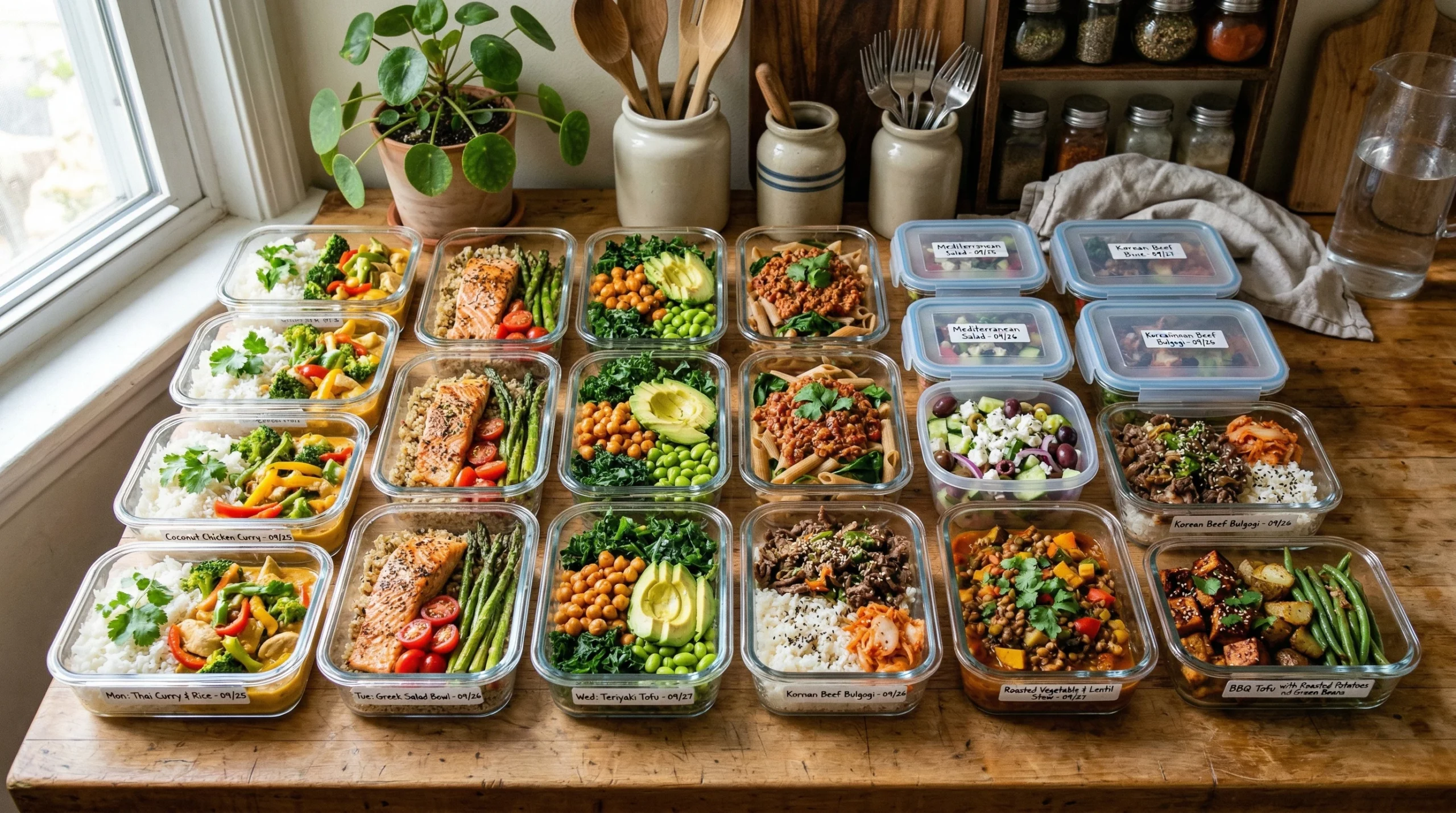
- Quality containers: Go for microwave and freezer-safe options. I like a mix of glass and BPA-free plastic so you can spot what’s inside at a glance without unlidding everything.
- Large pots and sheet pans: These let you cook bigger batches of soups, grains, roasted veggies, or proteins effortlessly.
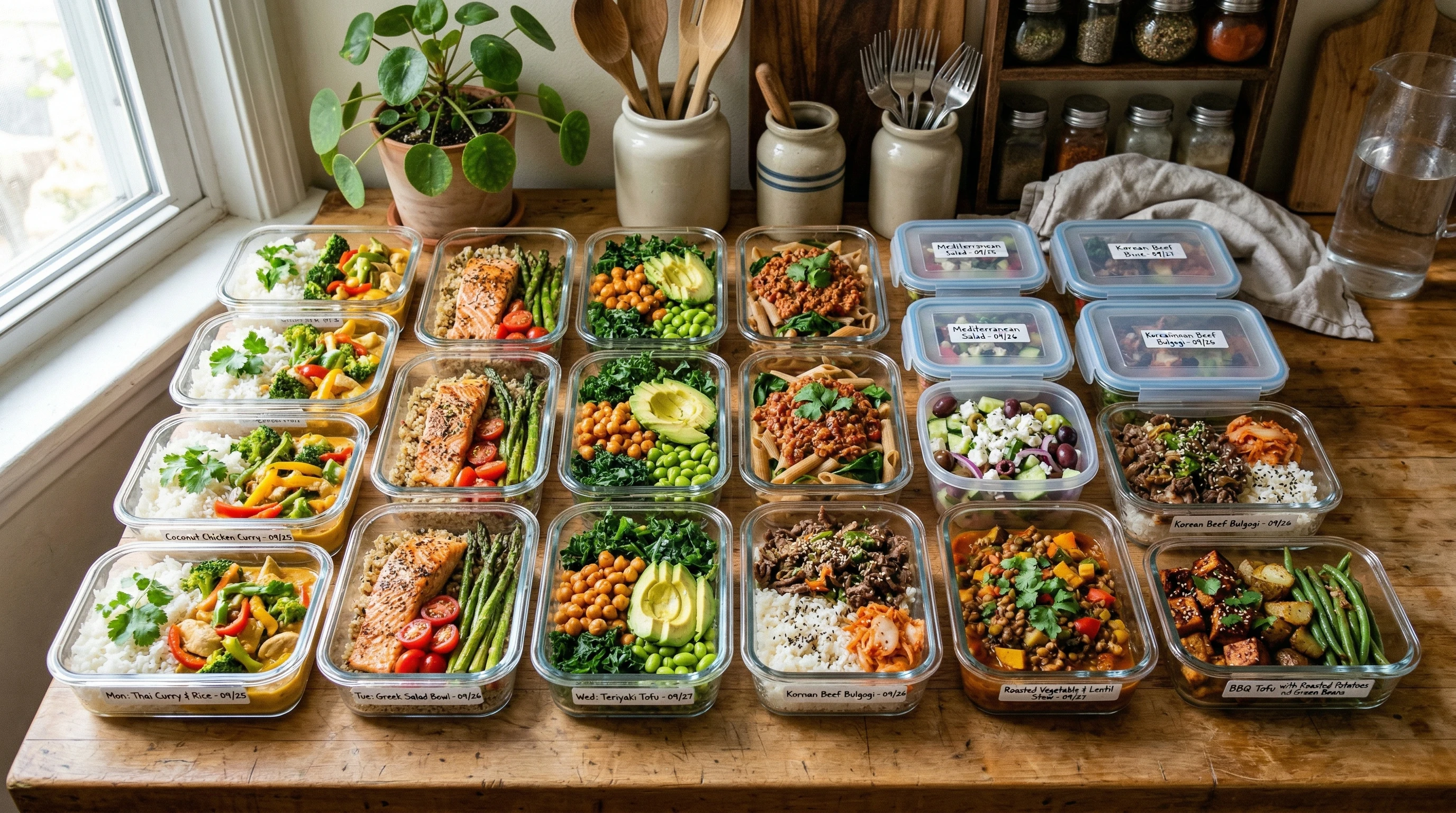
- Labels and masking tape: Always label with the name and date. Trust me, it’s easy to forget whether that chili is from last week or last month.
- Sharp knives and a steady cutting board: Chopping mounds of vegetables is a breeze and much safer with a sharp edge and a board that won’t skate off the counter.
- Slow cooker or Instant Pot (optional): Check out these tools for hands-off batch cooks; set-and-forget meals are easier with the right appliances.
Planning Your Batch Cooking Session
Taking 10 minutes to map out your meals truly makes a difference. Here’s how I usually prep for a win in batch cooking:
- Choose flexible recipes: Pick dishes that store and reheat well—soups, stews, curries, grain bowls, and roasted veggies work great. Skip crispy breaded foods or delicate greens, which get soggy in storage.
- Audit your pantry and fridge: Peek at what you’ve already got, so you’re not doubling up or letting food spoil.
- Create a grocery list: Jot down all needed ingredients, grouping them by grocery store section (produce, proteins, canned goods) to speed up shopping.
- Book a batch cook time: Block out a window during your week—maybe a weekend afternoon or a calm evening. A good playlist or fun podcast always helps the session go faster.
Step-by-Step: How I Batch Cook For The Week
Everyone finds their groove in the kitchen, but here’s my typical order of attack for a successful batch cooking session:
- Start with the longest recipes: Soup, stew, whole grains, and proteins should get going first. Get them simmering sooner so you’re not stuck waiting around at the end.
- Chop everything in a single go: Stack up your veggies and chop. Start with onions, carrots, and other aromatics—these go into many dishes, so prepping them first is smart.
- Maximize oven space: Roast a mix of vegetables (think broccoli, sweet potato, and cauliflower) on trays while stovetop recipes simmer away. It’s efficient and packs plenty of flavor into your meals.
- Portion and cool: Once done, spoon dishes into containers. Let them cool uncovered before sealing and storing in the fridge or freezer to dodge sogginess.
- Label and organize: Date and describe each dish. Stack everything so it’s visible and accessible rather than lost in fridge depths.
Top Batch Cooking Recipes and Ideas
Certain dishes are tailor-made for making ahead. These are my favorite meals that taste even better after a day or two and make eating healthy a snap:
- Chili and filling soups: Beans, lentils, and hearty veggies freeze and reheat beautifully. Load them with herbs and spices plus starchy veggies for meals that satisfy.
- Sheetpan roasted dinners: Toss vegetables, potatoes, and chicken thighs or tofu on trays, drizzle with olive oil and seasoning, roast, and flip. It’s easy and endlessly customizable.
- Grain salads: Make big batches of quinoa, brown rice, or farro and toss them with roasted veggies, beans, and a lively dressing. These keep fresh for days and make both lunch and dinner a breeze.
- Breakfast bakes: Frittatas, crustless quiches, or baked oatmeals portion well for grab-and-go morning meals—never skip breakfast again.
- Energy bites and snack bars: Oats, nut butter, seeds, and dried fruit pressed into bars or rolled into balls fuel you between meals without any extra prep.
Storage & Safety Tips You Should Know
Storing food right is key to making batch cooking effective and safe. Here’s what works best for me:
- Cool food quickly: Place warm dishes in the fridge in shallow containers or spread out on trays to speed up chilling. Keeping your fridge at or below 40°F (4°C) helps keep food fresh longer.
- Don’t keep leftovers too long: Most cooked dishes should be eaten within four days. If you’ll need longer, transfer to the freezer ASAP.
- Freeze in meal-sized portions: Soups and casseroles freeze best when divided into the right serving sizes. No need to thaw an entire pot for one dinner—just grab what you need.
- Defrost safely: For best freshness and food safety, defrost overnight in the fridge or use your microwave’s defrost setting. Skipping the countertop thaw step prevents bacteria growth.
Common Batch Cooking Hurdles and Solutions
Every new habit comes with a challenge or two, but these batch cooking speed bumps are easy to sidestep:
- Bored of repeat meals? Switch up your sauces, sides, and toppings. Mix in fresh herbs, crunchy nuts, or citrus zest to give leftovers a whole new vibe.
- Short on storage space? Square and rectangular containers stack better than round ones, and freezer bags can be frozen flat to maximize precious freezer real estate.
- Soggy food? Store dressings and anything crispy or crunchy separately, adding them just before eating so textures stay sharp.
- Forgetting prepped meals? Keep a running fridge or freezer list (a sticky note works) so you don’t accidentally waste anything you prepped.
Batch Cooking and Healthy Eating Goals
Batch cooking lines up perfectly with mindful eating and health goals. Having ready-made, nutritious food at your fingertips means you’re far less likely to order quick delivery or buy snacks on impulse. Grain bowls heavy with roasted veggies and chickpeas, or simple jar salads layered for crunch and variety, keep your meals both fun and wholesome. The routines you build, batching your food can support everything from plant-based eating to cutting out takeout lunch runs, and even helps if you’re tracking macros or monitoring specific nutrients.
Frequently Asked Questions
See if these common questions ring a bell (and here’s what I’ve picked up in my own kitchen):
Question: Can I batch cook with a small kitchen?
Answer: Definitely. Choose stackable containers, cook in waves, and use fridge drawers or baskets for storage. With a little organizing, several days of meals will fit even in a tiny fridge.
Question: What foods freeze and reheat best?
Answer: Anything saucy or brothy—think soups, curries, and stews—tends to freeze well. Cooked grains, beans, casseroles, and meatballs do great too. High-water veggies like cucumbers or lettuce? Not a good fit since they get mushy when thawed.
Question: How can I keep batch-cooked meals fresh and exciting?
Answer: Make multiple sauces and dressings for variety. Swap up your flavors—maybe Mexican this week, Mediterranean the next. Mix up main ingredients and try fresh add-ins to liven things up.
Bottom Line for Home Batch Cooks
Batch cooking isn’t about eating the same boring meal every night. It’s the easiest way I know to keep meals healthy, save precious time, and open up your week for things you actually want to do. The more you practice, the easier and faster it gets. There’s nothing better than coming home to a fridge full of healthy food ready to go. Start with a small batch this week and see the difference it makes for you!