If you’ve ever tossed wilted spinach or stale crackers, you know how frustrating it is when food doesn’t stay fresh as long as you want. Keeping food tasting great, reducing trips to the store, and cutting down on waste all depend on solid storage strategies. I’m breaking down the best storage solutions and everyday hacks to help you make your groceries last longer, save money, and keep your kitchen organized.
Why Proper Food Storage Makes a Big Difference
Knowing how to store your food isn’t just about making things look nice in your fridge or pantry. It plays a really important role in locking in nutrition, keeping flavors intact, and protecting your budget. Studies show that the average household tosses out hundreds of dollars’ worth of food each year. A lot of that is simply because things spoil before we get to use them. Smart storage helps slow down spoilage caused by bacteria, mold, and air exposure.
Even small changes can add days, or sometimes weeks, of freshness. For example, keeping apples away from other fruits will delay ripening and keep them crisp longer since apples release ethylene gas. These little tricks add up across your kitchen and can make a significant impact over time.
Essential Food Storage Tools Worth Having
Reliable storage supplies make it much easier to keep things fresh. You probably have a few basics already, but taking your storage game up a notch can really help extend shelf life and keep waste low. Here are the tools I reach for almost every day:
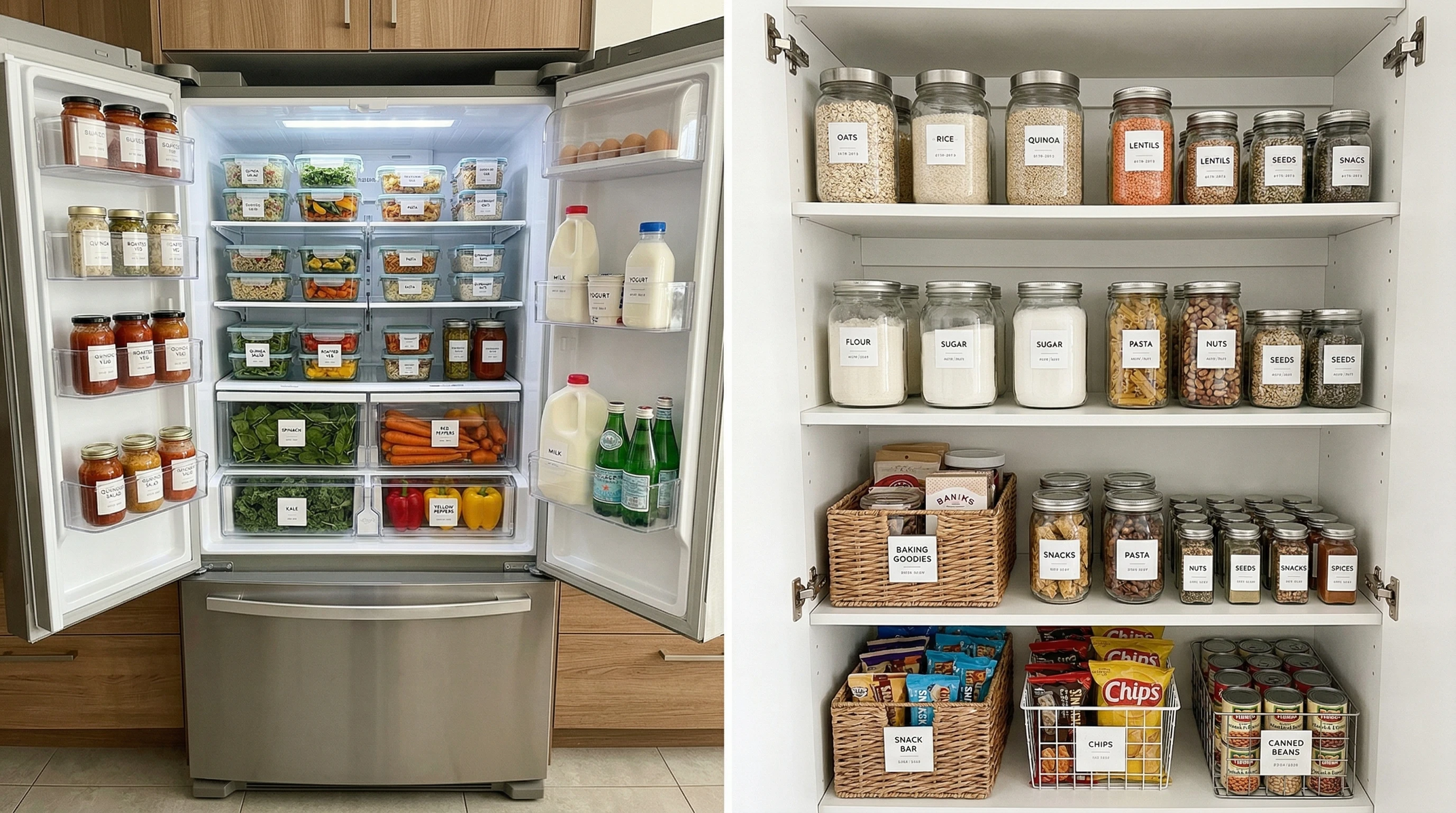
- Airtight Storage Containers: They’re super useful for flour, pasta, nuts, and snacks. These containers block out moisture and bugs, keeping your ingredients fresh and safe.
- Glass Jars & Mason Jars: These are perfect for leftovers, sauces, and even chopped produce. They don’t absorb odors and make it easy to see what you have, plus they’re reusable.
- Vacuum Sealers: Vacuum sealers suck out air, which makes a huge difference for freezing meat or when you buy cheese and coffee in bulk. Food lasts way longer because air is kept out.
- Reusable Silicone Bags: These eco-friendly bags are a great swap for single-use plastic bags, perfect for cut veggies, cheese, and even soups. Many are safe for the freezer and microwave, making them extra handy.
- Produce Storage Bags or Containers: Designed to help fruits and veggies breathe, these keep produce crisp longer. Some even have vents or humidity controls built in to get it just right for each type of food.
Having the right gear takes the stress out of meal planning. It lets you avoid that all too common “what’s that smell?” fridge moment and helps cut down on last-minute store runs.
How to Store Common Foods for Maximum Freshness
Most foods do best with specific storage approaches. Here are tips for everyday groceries to help you get the most flavor and shelf life from each category:
- Fruits: Store berries in the fridge and don’t wash them until you’re ready to eat; excess moisture speeds up mold growth. Apples and citrus do better in a crisper drawer. Bananas prefer hanging out on the counter, but you can slow browning by wrapping their stems in plastic wrap.
- Vegetables: Leafy greens keep longer if you wrap them in a paper towel and stash them in a produce bag. Root vegetables like potatoes and onions should live in a cool, dark, ventilated spot—but not together, as onions release gases that make potatoes sprout faster.
- Bread: Bread boxes are great for storing bread short-term, keeping it soft but not soggy. For longer storage, freeze sliced bread and toast as needed. This keeps bread from going stale or moldy.
- Dairy: Cheese should be wrapped in wax paper, then placed in a loosely closed bag in your drawer. Milk and yogurt last longer tucked away at the back of the fridge, where the temperature stays coldest.
- Meat & Seafood: Vacuum sealing or doublewrapping in freezer-safe materials helps your meat and seafood last longer in the freezer. Thaw safely in the fridge to keep bacteria at bay.
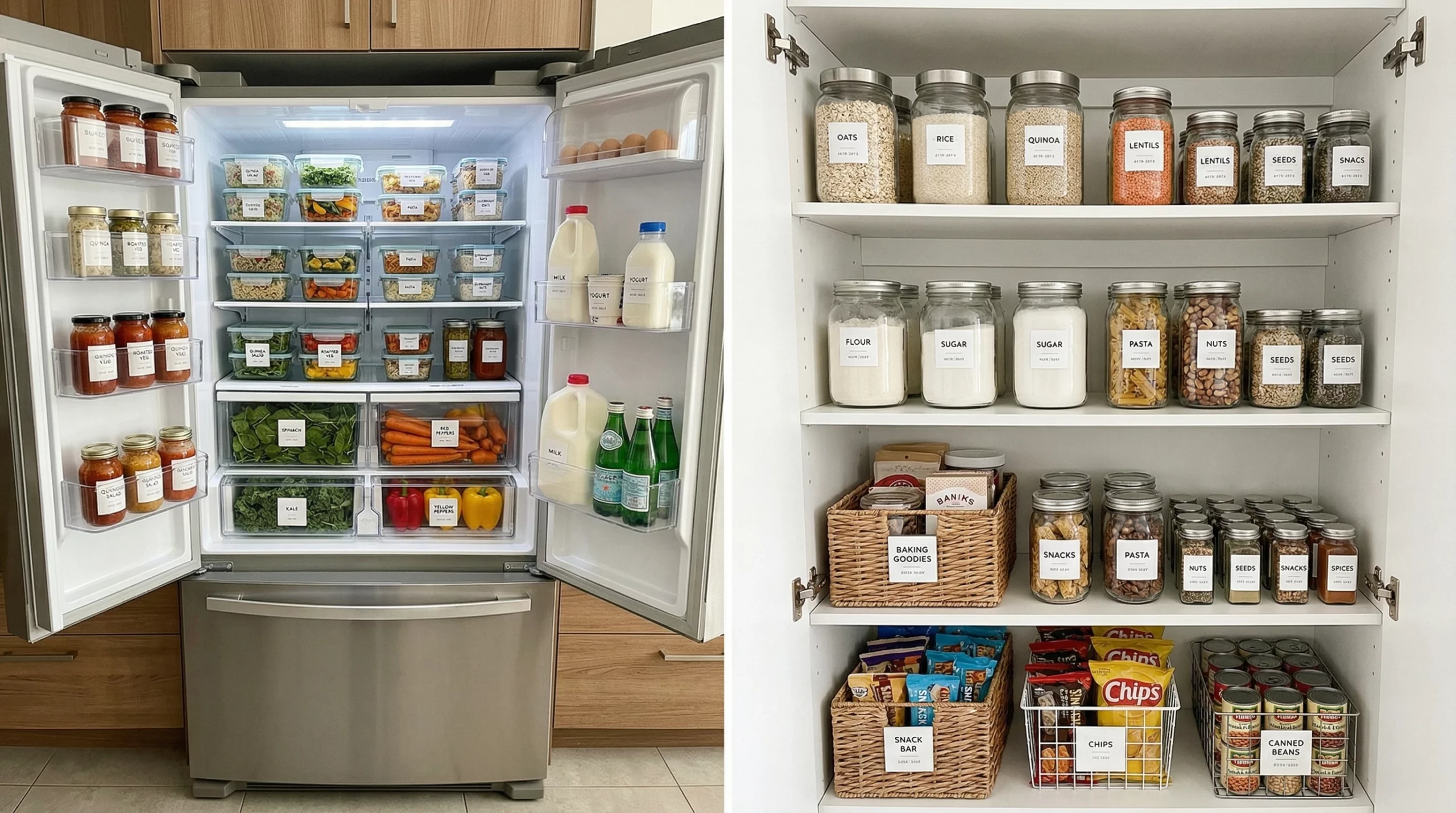
- Dry Goods: Grains, beans, flour, and snacks do best in dry, airtight containers away from sunlight. Labeling with purchase dates helps you keep older stock rotated to the front, where you’ll use it sooner.
If you get these basics down, you’ll spot a big improvement in how long your food stays tasty and ready to use.
Quick Guide: Routines for Keeping Food Fresh
Keeping a regular routine in your kitchen helps cut waste and keeps things tidy. Here are the steps I use to get the most out of my groceries:
- Organize With Labels: Mark leftovers and bulk foods with the date. This makes grabbing the oldest items first much simpler and helps you use things before they spoil.
- Store Smart, Not Just Neat: Keep highly perishable foods at eye level so you don’t forget them—that way, you’ll use them before they have a chance to go bad.
- Don’t Overpack Your Fridge: Airflow is key to keeping your fridge cold. If it gets overcrowded, warm air pockets form and bacteria can spread faster.
- Regularly Clean Out Storage Areas: A quick wipe down on fridge shelves and a check through pantry items helps avoid any hidden messes or bad odors.
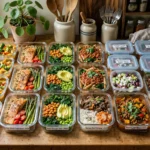
- Batch Prep: Take a few minutes after shopping to wash and chop veggies for the week. Stash them in airtight containers with a paper towel inside for dryness. This keeps them crisp and makes healthy snacks easier to grab.
Stick to these habits, and keeping your food fresh will become second nature.
Challenges and Solutions for Tricky Foods
Some foods are tough to keep fresh, so here’s how I keep things like herbs and avocados from going bad too soon:
- Herbs: Treat delicate herbs like you would flowers: trim stems, put them in a glass of water, and cover loosely with a bag before popping them in the fridge. Woody herbs, like rosemary, prefer being rolled in a damp towel and stored in a container.
- Avocados: For cut avocados, leave the pit in, spritz with lemon juice, and wrap tightly. To ripen faster, stash underripe avocados in a paper bag with an apple.
- Mushrooms: Store mushrooms in their packaging or in a brown paper bag—they’ll last longer and avoid getting slimy.
- Tomatoes: Tomatoes keep their best flavor and texture at room temperature. Pop them into the fridge only if fully ripe and you can’t eat them in time.
Humidity Basics for Fruits and Veggies
Fridge humidity drawers are actually pretty effective when used right. Most veggies love high humidity, while many fruits prefer the drawer opened up for lower humidity. Slide your fridge drawer control closed for leafy greens or open it for apples and pears.
Pantry Storage Tips
Flour, sugar, and grains all store best inside airtight containers that block pests and moisture. In humid climates, you can add a food-safe desiccant pack to keep things dry. Rotating staples every couple of months makes sure you use older food first and prevents anything from getting forgotten in a corner.
Smart Upgrades for Modern Kitchens
Kitchen tech these days can really step up your food storage routine. Modern bits and pieces aren’t just for restaurants—home cooks can cut waste and keep things fresher, too, by using them.
- Vacuum Sealer Systems: These are super useful if you freeze a lot or buy in bulk. Meats, coffee, cheese, and even soups stay fresh for a much longer time when you use a vacuum sealer.
- Smart Labels: Bluetooth tags and smart fridge apps help you track what’s in your kitchen and how long it’s been there. With a busy household, these can be a real timesaver.
- Stackable Modular Storage: Stackable airtight containers fit perfectly in your pantry or fridge, making your supplies easy to check at a glance. BPA-free options are available if you want to avoid plastic chemicals in your food storage.
These modern tools aren’t just about convenience. They help you manage what you have, avoid forgotten leftovers, and stop those surprise messes in the freezer before they happen.
Frequently Asked Questions About Storage Solutions
Here are a few of the questions I hear most often and the tips I find most useful:
Question: How long do vacuum-sealedVacuum-sealed foods last compared to regular storage?
Answer: Vacuum-sealed meats usually keep 23 years in the freezer, instead of the 612 months you’ll get with regular wrapping. Cheese can stretch from just a few weeks to months if vacuum-sealed and refrigerated.
Question: Do I need to wash produce before storing?
Answer: For most foods, it’s better to wash just before eating. Prewashing can add moisture, which sets the stage for mold growth on berries, mushrooms, and greens.
Question: What’s the best way to store bulk grains or flour?
Answer: I opt for airtight glass or heavy-duty plastic containers marked with purchase and expiration dates. Keep these in a cool, dark place, away from sunlight and heat. That keeps bugs and moisture out.
Everyday Habits That Make a Lasting Difference
Building better storage habits pays off by saving time, cutting waste, and making your food last. Small actions, like rotating foods, labeling jars, or putting bulk buys into airtight containers, let you stay organized and keep costs lower. My own kitchen feels less chaotic and my grocery bill shrinks whenever I stick to these simple practices.
Just giving your storage some attention—buying a few well-made containers or picking up a vacuum sealer—can be a real game changer. You don’t have to rethink your whole system overnight. Instead, start with your biggest trouble spot, and you’ll soon see fresher, longer-lasting meals become a fact of life in your kitchen.