The Mediterranean diet is often praised as one of the tastiest and easiest ways to eat well without giving up flavor or satisfaction. This style of eating isn’t about calorie counting or cutting out entire food groups; it’s about enjoying real food in a balanced, relaxed way. If you’ve ever wondered what makes the Mediterranean diet so popular, and whether it’s actually worth adopting, here’s everything I’ve learned from researching and living with this approach.
What Makes the Mediterranean Diet Different?
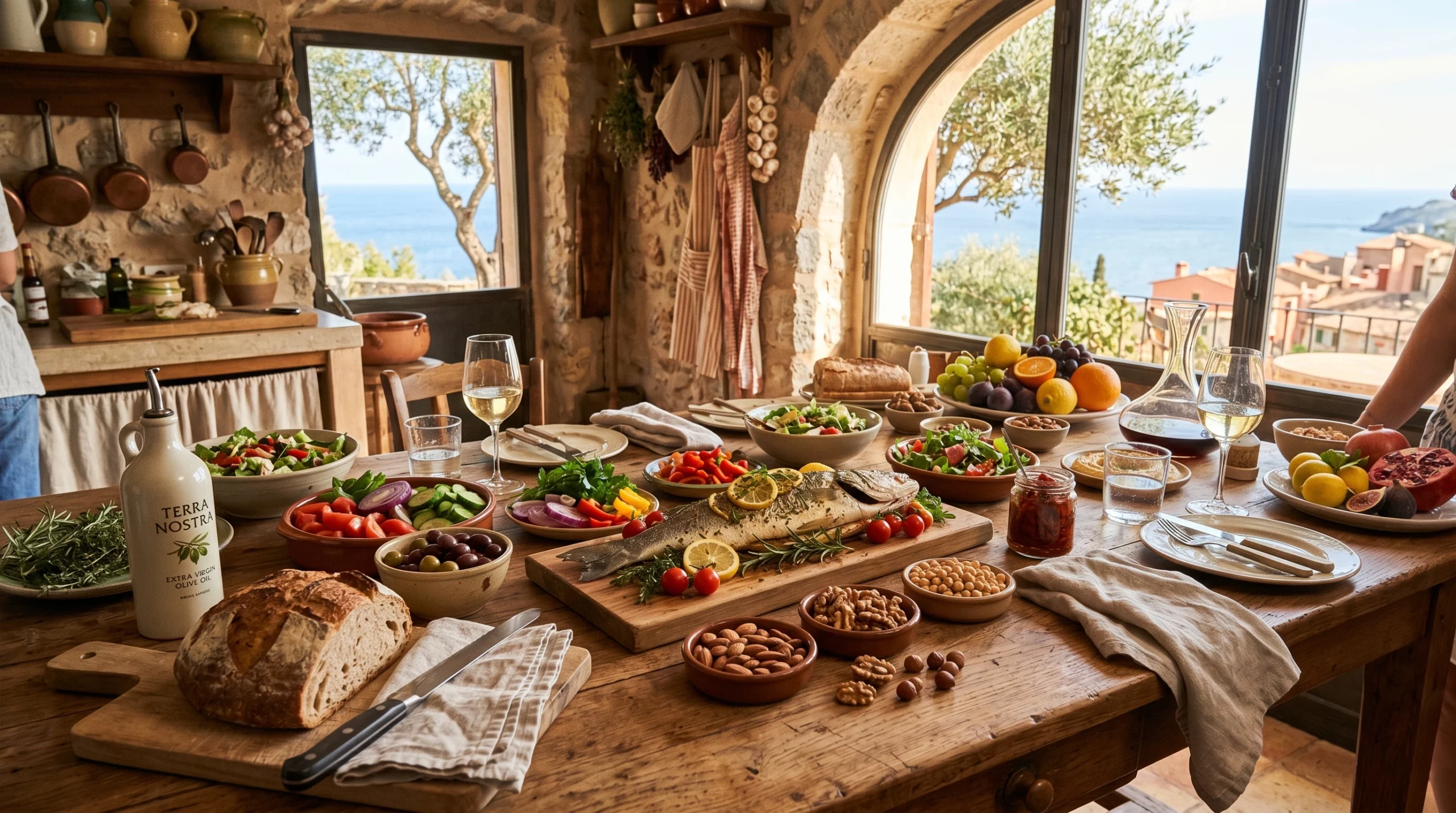
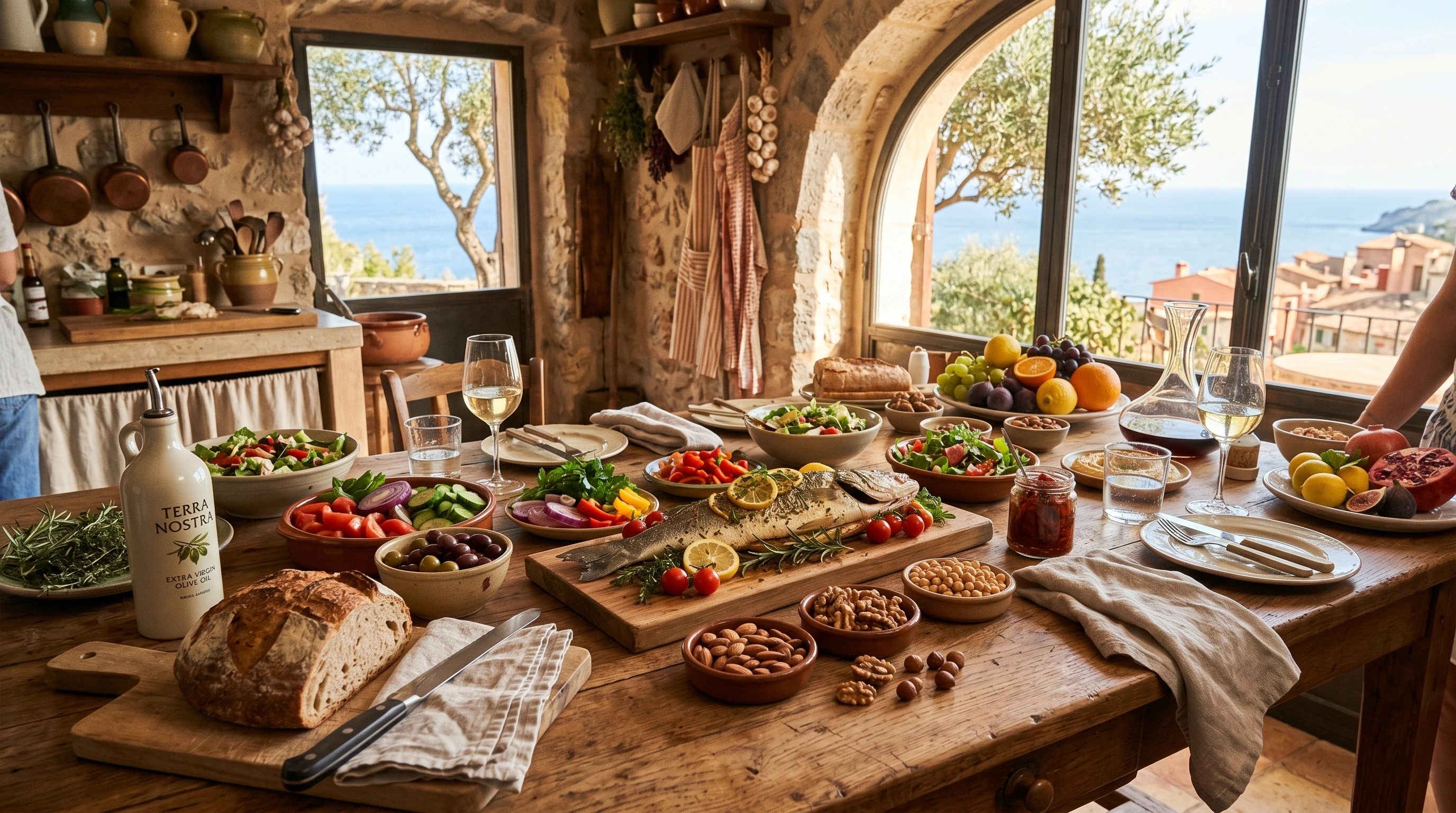
This diet is inspired by the eating habits of people living near the Mediterranean Sea, especially countries like Greece, Italy, and Spain. It focuses pretty heavily on vegetables, whole grains, fresh fruit, nuts, seeds, and generous pours of olive oil. Seafood shows up a few times a week, while red meat and processed foods rarely make the cut. Meals aren’t rushed, and food is usually enjoyed with family and friends; definitely a nice bonus.
The Mediterranean diet took off in the mid-20th century when researchers noticed that people in these regions had lower rates of heart disease compared to countries with more processed foods in their diets. There’s still plenty of research showing that this way of eating is tied to better health and longer life, giving it a well-deserved spotlight in discussions about healthy lifestyles.
Choosing Mediterranean foods doesn’t mean sticking to plain salads or giving up on treats. It’s pretty flexible, and that ease makes it more sustainable than strict diets. Whether you love simplicity or you’re all about bold flavors and variety, this style of eating fits a lot of lifestyles and preferences. Plus, it encourages enjoying meals at a relaxed pace, letting you really savor food and good company.
Getting Started With the Mediterranean Diet
Anyone looking to try the Mediterranean diet will find a pretty open-ended, enjoyable path. I started by slowly swapping out foods I already liked, and found it easier than I expected. If you’re curious what it looks like day to day, here are the main categories and how they work:
- Veggies and Fruits: These are the backbone of most meals. Roasted, raw, or cooked into stews, there’s no shortage of ways to enjoy them. Think big, colorful salads or quick roasted veggies at dinner.
- Whole Grains: Bread, pasta, rice, and other grains show up often, but they’re usually whole or minimally processed. Some of my favorites are farro, bulgur, or whole-wheat pasta.
- Healthy Fats: Olive oil is the goto for cooking and salad dressing. Avocados and nuts also make tasty appearances in meals and snacks.
- Protein Sources: Fish and seafood are popular, often eaten twice a week. Poultry and eggs pop up occasionally, while red meat stays rare and is reserved for special occasions.
- Dairy: Cheese and yogurt are eaten in moderation, showing up mostly at breakfast or as a snack between meals.
- Herbs and Spices: Flavor comes from natural ingredients, not salt or heavy sauces; basil, oregano, mint, and thyme are regulars in my kitchen.
At first, I figured this style of eating would be complicated. In reality, it’s pretty simple: eat more plants, enjoy whole grains, pick fish or beans more often, and use olive oil liberally. Meals don’t have to be fancy; a tomato salad with a drizzle of oil or some grilled veggies can hit the spot. Over time, I found it helpful to stock my pantry with canned chickpeas, jars of olives, and plenty of dried herbs for quick meal prep.
Health Perks of the Mediterranean Diet
Plenty of science backs up the idea that the Mediterranean diet is good for you. Some of its better-known perks include:
- Better Heart Health: Lots of studies have found that people who follow this way of eating are less likely to have heart attacks or strokes. The focus on healthy fats like those in olive oil and fish, instead of saturated or trans fats, really helps out your heart and blood vessels.
- Supports Healthy Weight: Even though this diet doesn’t tell you to skip carbs or count every calorie, many people naturally settle into a healthy weight when eating Mediterranean meals. That’s likely because the foods are fibre-rich and filling, making it easier to avoid overeating.
- May Help Prevent Type 2 Diabetes: The balance of whole grains, healthy fats, veggies, and just a little sugar helps your blood sugar stay steady over time, reducing spikes and long-term risk.
- Brain Benefits: Some research links this diet to better memory and a lower risk of Alzheimer’s disease. There’s also a lower risk of depression for people who eat Mediterranean-style meals regularly.
- Lowers Chronic Inflammation: Antioxidant-rich foods such as berries, nuts, and leafy greens, can help dial back inflammation, which matters for everything from joint pain to long-term disease prevention.
In my own experience, I’ve noticed better energy and fewer afternoon crashes when sticking with these foods. Meals leave me full but not heavy, and cravings for sweet things dial down with enough fruit and nuts in the routine. My skin and mood have even gotten a boost since making Mediterranean eating a habit.
Research is always ongoing, and everybody is unique, but the general consensus in the nutrition world supports this way of eating for lasting health.
Quick Guide: Small Swaps for a Mediterranean Kitchen
Making the switch to more Mediterranean meals is less about giving up foods you love and more about small, steady swaps. Here are some easy ones I use regularly:
- Switch Butter for Olive Oil: Use olive oil for cooking or drizzling on toast instead of butter or margarine to add more healthy fats.
- Add an Extra Vegetable: Toss a handful of spinach into eggs, or add tomatoes and cucumbers to lunch. Even a side of roasted peppers can liven up a meal.
- Go for Whole Grain: Pick whole wheat bread, brown rice, or quinoa instead of white rice or bread. I found that switching made meals more satisfying.
- Choose Fish Instead of Red Meat: Grill or bake salmon, sardines, or trout for dinner a couple nights a week; canned tuna in olive oil is a quick backup option.
- Snack on Nuts or Fresh Fruit: Keep almonds, walnuts, or fruit handy for a quick, satisfying snack. Swapping potato chips for lightly salted pistachios became one of my regular picks.
No need to overhaul everything at once. I started by swapping my usual salad dressing with homemade olive oil and lemon, and by roasting extra veggies at dinner. The small steps add up, and the food honestly tastes great. Try including more plant-based sides, roasting chickpeas for crunch, or using herbs to give old favorites a twist. Even quick weeknight meals can easily carry the Mediterranean vibe.
Practical Things to Consider Before Getting Started
Adopting the Mediterranean diet comes with a few things worth thinking about. Here are some practical notes from my own adventure:
- Budget: Fresh produce and fish can cost more than processed foods. Buying what’s in season or on sale makes a big difference. Canned beans and frozen veggies work well for quick meals and keep things affordable for most families.
- Time: Some meals need a bit more prep if you’re not reaching for convenience foods. Meal planning and simple batch cooking are pretty handy tricks for busy weeks, and I like to prepare grains or roasted veggies ahead of time for easy assembly.
- Family Preferences: Not everyone is a big fan of olives or fish. Getting everyone involved in choosing recipes or joining in on meal prep makes things easier at home. If your kids aren’t into salad, try pita triangles and dips as a starter.
- Cooking Confidence: Trying new spices, grains, or veggies can feel different at first. Start with easy one-pan meals and work up to more complex dishes if you want. Watch a video or ask a friend who cooks Mediterranean dishes for tips—usually, these meals are more doable than they look.
There’s always room for treats; a glass of wine or some dark chocolate makes the routine feel relaxed and less like a “diet.” It’s more about enjoying life and good food rather than following strict rules.
Fresh, Flavorful Ideas for Everyday Meals
I like to make Mediterranean cooking simple, so here are a few ideas I keep coming back to:
- Chopped Greek salad (tomatoes, cucumber, feta, and olives with oregano and olive oil)
- Baked white fish with lemon and herbs, served with roasted potatoes
- Lentil soup finished with a splash of olive oil and fresh lemon juice
- Wholegrain toast with avocado, tomatoes, and sesame seeds
- Yogurt with berries and nuts for breakfast or dessert
To keep things exciting, try swapping ingredients or switching up herbs. I love adding pomegranate seeds to salads or experimenting with roasted eggplant as a main course. The foundation is always there, but there’s space for plenty of creativity each meal.
Going Beyond: Extra Tips for Getting More Out of It
Finding your rhythm with the Mediterranean diet sometimes means experimenting. I found these extras really helpful, especially when I was first figuring out what worked best for me:
Get Creative With Herbs: Oregano, basil, thyme, mint, and rosemary bring a ton of flavor for barely any effort. Fresh or dried both work great and make meals pop with very little extra prep.
Try New Grains: I like rotating farro, bulgur, or barley in place of pasta. It mixes up textures and pairs well with roasted veggies.
Batch Cook Beans: Cooking a pot of chickpeas or lentils and freezing portions means quick protein all week and saves time on busy nights.
Make Salad a Routine: Chopping up salad greens and adding different extras (like nuts, seeds, or diced fruit) helps keep things interesting, so salad doesn’t get boring. Add feta or roasted red peppers for extra flavor.
Share Meals With Others: Eating together is a big part of Mediterranean culture and helps make meals more enjoyable and mindful. Inviting friends or family to meal prep, even for a simple lunch, builds good habits and memories.
Common Questions About the Mediterranean Diet
I see these questions pop up a lot, especially when friends and family start getting curious:
Is wine really part of the Mediterranean diet?
Answer: Small amounts of red wine are common at meals, but it’s definitely optional. If you don’t drink, you won’t miss any of the benefits by skipping it.
What snacks fit into this diet?
Answer: Some easy choices: fruit, a small handful of nuts, hummus with veggies, a slice of wholegrain bread with tomato, or a bit of yogurt topped with berries.
Do you have to eat fish?
Answer: Fish is traditional, but if you’re vegetarian or allergic, you can still get benefits from the diet’s focus on plants, grains, beans, and nuts. It’s all about the variety and the balance.
Does the Mediterranean diet work for weight loss?
Answer: While this style of eating isn’t focused on strict calorie control, many people find they lose weight naturally by choosing more filling, unprocessed foods and eating more mindfully. Results will vary by person, but overall health tends to improve either way.
Is this diet good for kids and families?
Answer: Absolutely. The focus on simple, fresh ingredients and eating together makes it family-friendly. Letting kids help prepare meals or choose veggies gives them a sense of participation and helps them build healthy habits for life.
Mediterranean Diet in Everyday Life
Making the Mediterranean diet a regular part of my routine feels less like a diet and more like a simple, satisfying way to eat. It’s flexible, enjoyable, and loaded with foods I truly crave. Sharing meals with friends, enjoying fresh flavors, and not stressing about “forbidden foods” really makes eating more joyful. Whether someone’s looking to feel better, eat more whole foods, or just bring new flavors to the kitchen, this way of eating is worth checking out. With a mix of great taste and health perks, the Mediterranean diet sets the stage for a happier, healthier relationship with food—and that’s something everyone can get behind.