Planning my snacks during a busy day can be a real game-changer. Healthy snacking doesn’t have to be boring, and with a little prep ahead of time, I make sure my energy stays up, while my hunger stays away. If you’re trying to eat more nutritious foods or just want to avoid those pesky vending machine temptations, getting your snacks sorted out is a smart move. This guide covers why snack planning matters, what to look for in a healthy snack, some of my favorite go-to ideas, and practical tips that make snack planning easy.
Why Planning Snacks Ahead Is a Game-Changer
Snacking sometimes gets a bad reputation, but it can actually help fuel my body in between meals, support steady energy, and prevent that wild hunger that leads to overeating later on. When I have a plan, I’m way less likely to grab whatever’s closest. That usually means I avoid something sugary or overprocessed.
Snacks can help stabilize blood sugar, keep cravings in check, and stop me from getting distracted by hunger. This especially matters if I’m running errands, on a road trip, or sitting in back-to-back meetings. More people are focusing on health lately, and it’s no surprise that the healthy snacks market is tracking to surpass $152 billion globally by 2030, according to Statista. Clearly, lots of us want better choices close by for when we get hungry.
Picking healthier options helps me fit in more fiber, protein, and healthy fats instead of empty calories. Thinking ahead like this keeps my days balanced, gives my energy a boost, and helps me stay sharp and on task.
The Basics of Healthy Snacks
There are a few things I always consider when picking snacks. Nutrient density is really important. I want something that has staying power, not just a splash of sugar that leaves me hungrier later on. Here’s how I approach it:
- Balance matters: Mixing some protein, healthy fat, and fiber makes snacks more filling and helps me avoid crashes.
- Check for added sugars: Some “healthy” snacks are packed with extra sugars, especially granola bars and yogurt. Reading labels is key.
- Fresh is best: I perform better with snacks that tap real, whole ingredients like fruits, nuts, or seeds rather than fancy packaging.
Steps To Plan Healthy Snacks
Getting into the rhythm of snack planning is easier than it seems. Once I make it a habit, I can throw together an awesome snack in a minute. Here’s my approach:
- Think ahead: I look over my week and figure out which days or times I’m likely to get hungry—like long afternoons or right after some exercise. That’s when I make sure snacks are nearby.
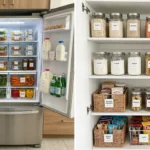
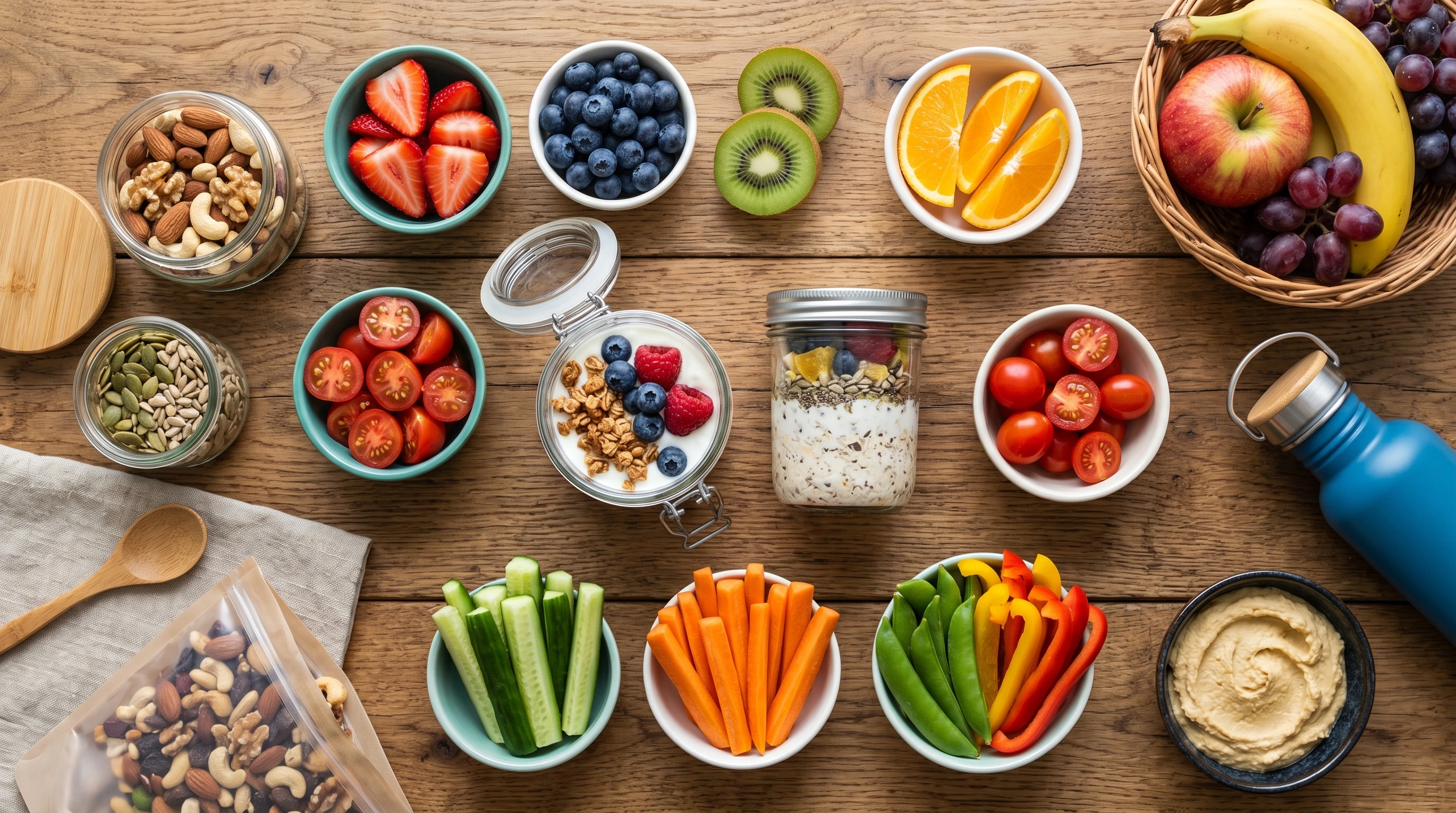
- Stock the basics: I keep my kitchen filled with snack-friendly basics: nuts, yogurt, fruit, hummus, whole-grain crackers, and plenty of cut-up veggies.
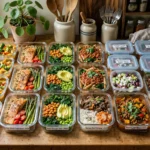
- Prep in advance: On the weekend, I portion out snack servings. This way, grabbing a bag of carrots or a scoop of trail mix when I’m busy is no sweat.
- Pack portable: For work, school, or on the go, I use reusable containers or bags to keep snacks fresh and portable.
Favorite Snack Ideas That Actually Satisfy
Some healthy snacks look good but leave me hungry again soon after. Here are some real-life favorites that keep me fueled at work, during travel, or even downtime at home:
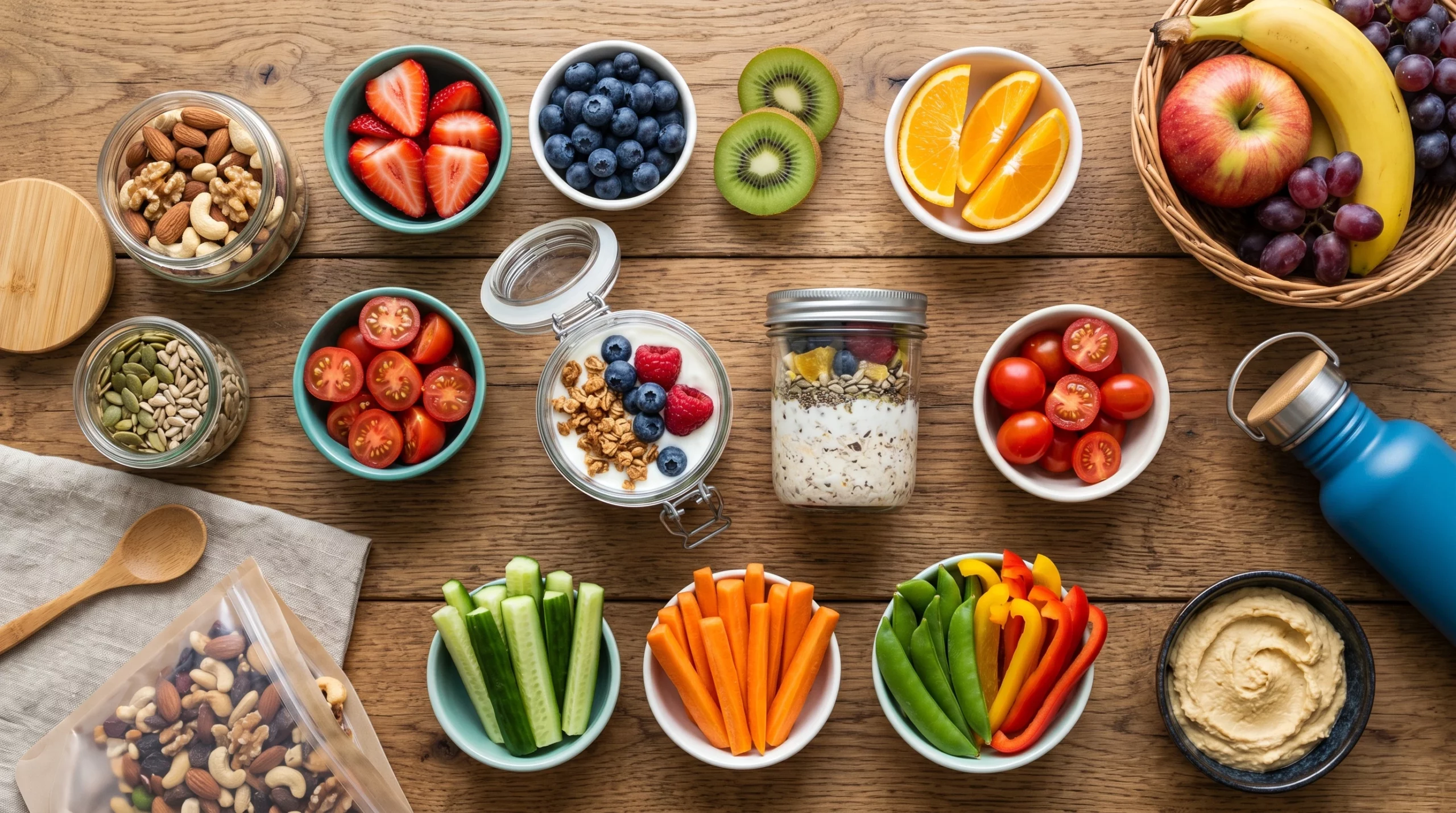
- Greek yogurt with berries: Packed with protein, natural sweetness, and fiber from the berries.
- Nut butter and apple slices: The combo of crisp apple and creamy nut butter is classic. Healthy fat helps me feel full longer.
- Veggie sticks and hummus: Carrots, celery, or bell peppers get some crunch and plant-based protein from hummus.
- Homemade trail mix: I throw together raw nuts, seeds, some dried fruit, and sometimes dark chocolate chips. Making my own lets me skip all those unnecessary sugars and extras in the store-bought stuff.
- Rice cakes with avocado: Mash avocado, sprinkle with salt and red pepper, and spread it on rice cakes. Simple and filling.
- Cottage cheese with pineapple or tomatoes: For a protein punch, I choose sweet or savory by picking pineapple or tomatoes.
- Hard-boiledNut butters eggs: Prepped ahead, these are the ultimate quick snack. Topped with everything bagel seasoning, they’re even better.
- Airpopped popcorn: I flavor it myself, not a load of salt or oil like movie popcorn. With fiber, it’s surprisingly filling.
Things to Think About When Choosing Healthy Snacks
Snacking isn’t a one-size-fits-all thing. What works for me might not fit you. Here are a few thoughts I always keep in mind when setting up my snack routine:
- Allergies and sensitivities: Lots of us can’t eat nuts, dairy, or gluten. Check ingredients if you’re prepping snacks for others or trying new foods.
- Portion size: Even healthy snacks can stack up calorie-wise. Using small containers or bags helps keep things reasonable.
- Staying hydrated: Sometimes, I’m actually thirsty when I think I’m hungry. I keep water close and sip throughout the day.
- Shelf life: Some snacks need eating quickly, especially fresh fruits and veggies. For snacks I’ll need later in the week, I pick things that last, like nuts or popcorn.
Nut Butter and Snack Bars
Nut butters are super handy because I can pair them with fruit, crackers, or even grab a spoonful for a quick pick-me-up. Snack bars are everywhere these days, but I choose those low on sugar and made with ingredients I recognize. Sometimes I mix up my own: oats, peanut butter, a little honey, and add-ins like chia seeds or dried fruit.
Store-Bought Versus Homemade
Making snacks at home is great, but sometimes I run out of time. Storebought options can work out as long as I check the nutrition label and go for simple, less-processed choices. Mini cheese rounds, unsweetened applesauce, roasted chickpeas, and freeze-dried fruit are a few better store-bought picks I like to keep handy.
External Factors That Affect Snack Choices
Snack planning is more than choosing tasty foods. Other things definitely affect how I set my snack roster:
- Busy schedule: When my days are packed, I need snacks that don’t require refrigeration and won’t make a mess.
- Travel and packing: For long trips, shelf-stable snacks that won’t leak are my best bet.
- Kids’ preferences: Feeding kids means mixing things up with whole-grain crackers, string cheese, or fun fruit kabobs to keep it interesting.
Frequently Asked Questions
Healthy snacking always brings up questions. Here are some of the ones I get most often, answered:
Question: How often should I snack during the day?
Answer: I find that one or two snacks between meals works for most folks. It really depends on your activity, how filling your meals are, and your own hunger cues.
Question: Are there any healthy snacks I can keep at my desk or in my bag?
Answer: Totally! I stash unsalted nuts, trail mix, roasted chickpeas, dried fruit, and wholegrain crackers in my bag, since they don’t need to be cold.
Question: What are good snacks for late-night cravings?
Answer: Protein-rich foods like Greek yogurt, cottage cheese, or even popcorn work well for me—they’re filling but not too much before bed.
Question: How do I keep snacks interesting so I don’t get bored?
Answer: Mixing up textures and flavors is key. I like to switch between crunchy and creamy, salty and sweet, so my snacks never get dull.
Bringing Snack Planning Into Daily Life
Snack planning is all about thinking ahead and stocking your kitchen with ready-to-go options that are real and balanced. For me, a little prep means I feel better, save money, and stay on course with my health goals. With just a bit of planning, I can enjoy satisfying, tasty snacks all week long, without the stress or the sugar crash. Figuring out the snacks that fit my life and taste means my snack routine is healthy, simple, and actually fun.