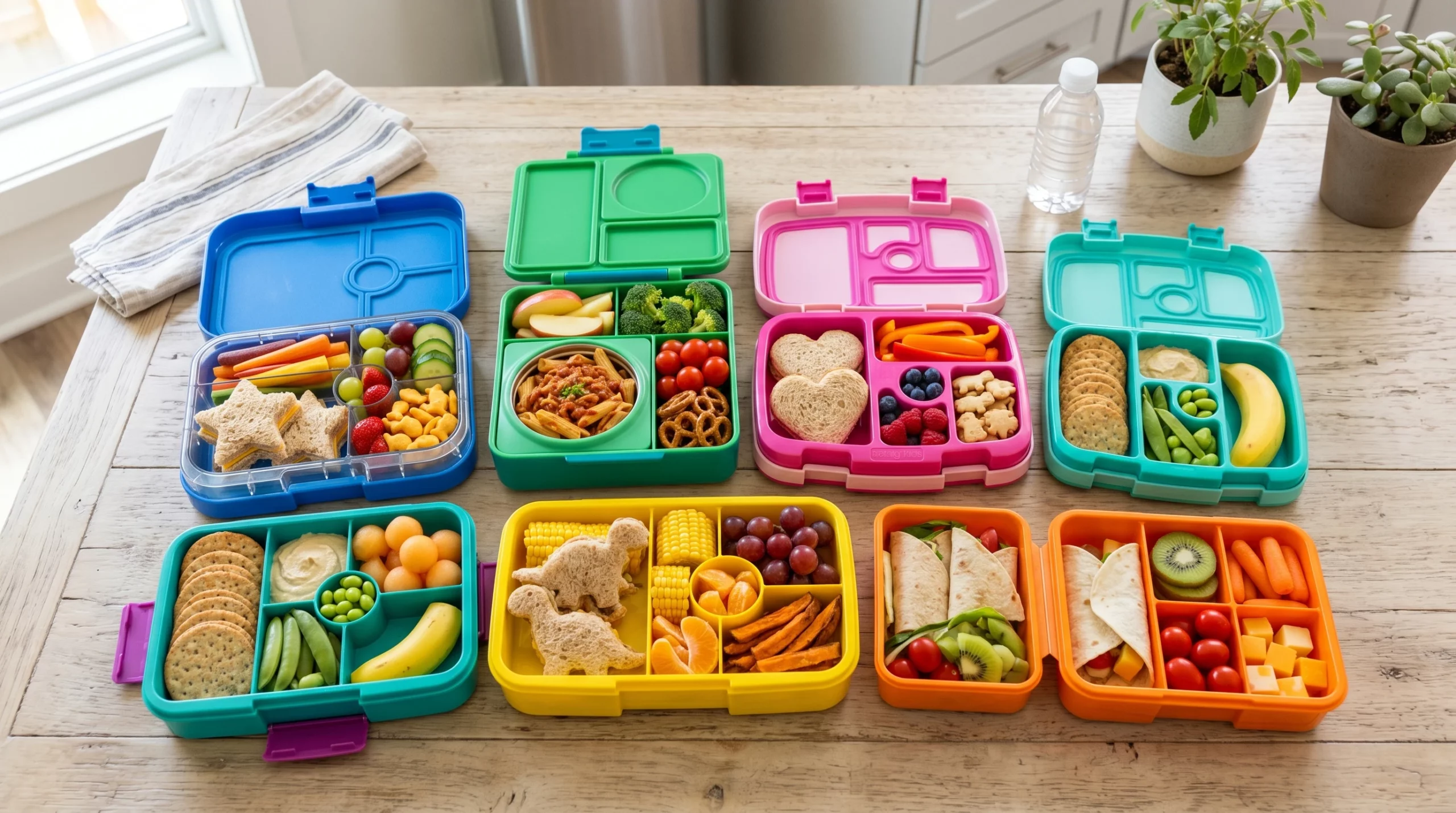
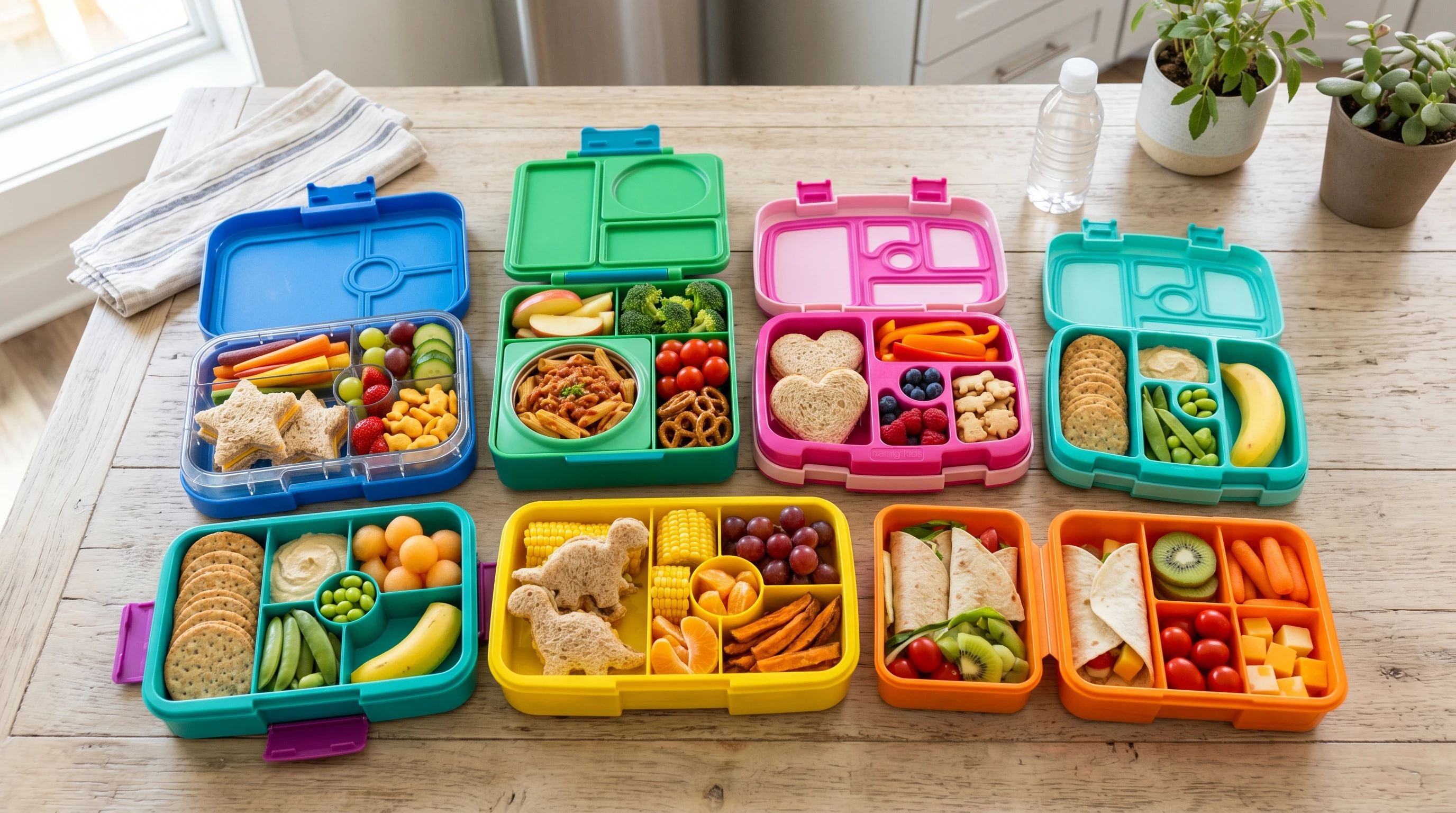
Getting kids to enjoy their lunch while making sure it’s nutritious can be quite a puzzle, especially on busy weekday mornings. As a parent, I’ve dealt with my fair share of half-eaten sandwiches and veggie sticks that ended up right back in the lunchbox. The good news is there are practical ways to make healthy lunches fun enough that kids will actually want to eat them. In this article, I’m going to get into simple lunchbox ideas, helpful planning tips, and ways to sneak extra nutrition into your child’s meals without complaints.
Why a Nutritious Lunch Matters for Kids
Kids’ lunches aren’t just about keeping tummies full until after-school snack time. The right combination of foods fuels learning, focus, and energy throughout the day. Nutrient-packed lunches help kids avoid the sluggish feeling that sometimes comes from high-sugar, processed foods.
Packing a well-rounded lunch is really important because the food your child eats at school affects everything from how attentive they are in the classroom to their playtime energy levels. Healthy fats, protein, fiber, and plenty of vitamins all help support growth and brain development. For anyone interested in the science, the CDC has good resources on how school meals impact kids’ health. Choosing the right lunch can even help kids build healthy habits now which stick with them well into adulthood, shaping their ideas about nutrition and well-being for a lifetime.
Building Blocks of a Nutritious Kids’ Lunchbox
The key to a good lunchbox is making sure it offers a little bit of everything your kid needs to stay fueled and focused. Here’s a straightforward formula I follow every day:
- Main: Something satisfying with protein, like chicken, beans, cheese, tofu, or eggs.
- Fruits & Veggies: Fresh, cut-up produce or grab-and-go favorites like cherry tomatoes or grapes.
- Whole Grains: Think whole wheat bread, wraps, brown rice, or crackers.
- Fun Add-Ons: A small treat, yogurt tube, or healthy dip that adds a fun twist while keeping things balanced.
If you’re trying to bump up nutrition, swapping in whole grains for white bread and including a variety of colorful fruits and veggies can make a big difference. Making sure every lunch features a bit of each category lays the foundation for healthy school days and sets your child up for success in the classroom and beyond.
Easy & Fun Lunchbox Ideas
Here are some of my go-to lunchbox creations that combine nutrition and kid appeal. All of these are simple to prep and can be adjusted depending on your child’s tastes:
- Turkey & Cheese Rollups: Slices of turkey and cheese rolled tightly and cut into bite-sized pieces. Serve with whole grain crackers and carrot coins.
- Pita Pocket Sandwiches: Stuff whole wheat pita with hummus, shredded lettuce, chicken, and cucumber. Easy to eat and not too messy.
- DIY Lunchables: Pack a bento box with whole grain crackers, cheese slices, deli meat, and cut-up apples. Kids really like assembling their own snacks.
- Rainbow Veggie Wrap: Fill a whole wheat wrap with colorful veggies (bell pepper, spinach, grated carrot) and a smear of cream cheese or hummus.
- Sunbutter & Banana Sushi: Spread sunflower butter on a tortilla, roll a banana inside, and slice into rounds. Great for nut-free schools!
- BreakfastforLunch: Small pancakes with a yogurt dip and mixed berries. Works well if your kid loves breakfast foods all day long.
These combinations can be mixed and matched all week for variety while packing in fiber, protein, and vitamins. Swapping in your child’s favorite ingredients or leftovers means you can reduce waste and keep things fresh day after day.
Simple Swaps for Healthier Lunches
Even small changes have a big payoff over time. If your child is attached to certain snacks or sandwiches, try these tweaks for a little nutrition boost:
- Use whole wheat bread or wraps instead of white bread for extra fiber and staying power.
- Swap chips for homemade trail mix, airpopped popcorn, or crunchy roasted chickpeas.
- Pick low-sugar yogurt or plain Greek yogurt with a drizzle of honey.
- Cut sandwich bread into fun shapes using cookie cutters. This turns even ordinary lunch into something special.
I’ve found that kids are a lot more likely to try something new when it looks fun or they help assemble it themselves. Fruit skewers or veggie “fries” cut into sticks work wonders for picky eaters. Even freezing grapes or adding a silly toothpick to cherry tomatoes can give an everyday food a next-level cool factor.
Tips for Making Lunches Fun and Appealing
Kids eat with their eyes as much as their stomachs. If a lunchbox looks inviting, there’s a better chance it will get eaten. Here are easy tricks I use to make lunch more interesting without adding extra work:
- Bright Colors: Use fruits and vegetables in a mix of colors. Try orange carrots, green snap peas, red strawberries, and purple grapes.
- PickandMix: Small containers or silicone baking cups keep items separate and make it easy for kids to mix and match bites.
- DIY Assembly: Include ingredients they can put together at lunch, like crackers, cheese, and turkey or a small salad kit.
- Fun Shapes: Sandwich cutters, small bento picks, and animal-shaped silicone cups make standard food look more fun.
If mornings are hectic, prepping fruit, veggie sticks, and snack items ahead of time makes it much easier to toss together a fun lunch. Even spending just ten minutes chopping produce once or twice a week can give you ready-made, eye-catching options for quick and healthy packing.
Dealing with Picky Eaters
Lunchboxes can be stressful if your kid refuses anything green or won’t touch certain textures. Here’s what I’ve learned about making things easier:
- Start Small: Offer tiny amounts of “challenging” foods next to favorites. Even one or two bites of bell pepper or broccoli is progress.
- Involve Them: Let your child pick out new foods at the store or help pack their own lunch. Involvement helps with buy-in.
- Repeat Exposure: It can take a lot of tries before a kid will actually eat something new, sometimes up to 10 or more taste tests.
- Don’t Stress Perfection: Focus on gradual improvement, not every single veggie getting eaten every day. Encouraging your child and keeping the pressure low can help them stumble upon new favorites naturally.
Some kids are more sensitive to textures, flavors, or even the way food is arranged. Sometimes letting them help decide how their meal looks makes all the difference. Try wrapping veggies in a tortilla, adding a yogurt dip for dunking, or placing two different apples side by side and asking which they like more.
Packing and Food Safety Tips
Food safety matters, especially when lunches will be sitting in a backpack for a few hours. Here’s how I handle it so things stay fresh and safe to eat:
- Use an insulated lunch bag with a good ice pack. Most perishable foods (meat, eggs, yogurt) need to be kept cold.
- Pre-chill lunch items in the fridge so they’re extra cold when they go in the lunch bag.
- Hand washing is key; make sure kids wash up before lunch, or toss in a travel-sized hand sanitizer if soap and water aren’t nearby.
- If sending hot foods like soup or pasta, pack them in a kid-friendly thermos to keep them warm through lunch.
It’s also handy to label containers with your child’s name so nothing gets lost at school. Remind your child to throw away uneaten perishable food at the end of the day to keep backpacks clean and safe.
Common Questions About Kids’ Lunchboxes
Here are answers to a few questions I get all the time about school lunches:
Question: How do I keep lunches interesting when my kid likes the same thing every day?
Answer: Try small tweaks to their favorite foods, like switching the type of bread, using a different cheese, or adding fruit in a fun shape. Even small changes keep things fresh.
Question: What if my child’s lunch always comes back half-eaten?
Answer: Check the portion sizes, they might be too big for your child’s appetite. Also, talk to your child about which foods they like best and adjust based on their feedback. Sometimes, sending a smaller portion or mixing up the sides can make lunch less overwhelming and more appealing.
Question: How do I manage allergies in lunchboxes?
Answer: Lots of nutfree and allergysafe spreads are available (sunflower butter, hummus, soy-based cheeses). Check school policies and always label any food that could be a concern to teachers or caregivers.
Quick Guide to Lunchbox Success
- Plan Ahead: Prep ingredients on weekends or the night before to save time in the morning rush.
- Balance the Plate: Include protein, whole grains, and two servings of produce whenever possible.
- Invite Feedback: Ask your child what they liked best this week. This helps you adjust and keep things interesting.
- Stay Flexible: Accept that tastes will change, and that it’s okay to repeat favorites if they’re healthy and enjoyed.
- Make It Fun: Colorful containers, DIY options, and silly shapes go a long way with elementary-aged kids.
Sample Week of Mix-and-Match Lunches
- Monday: Mini whole wheat bagels with cream cheese, baby carrots, strawberries, and a handful of raisins.
- Tuesday: Egg salad in a wrap, cucumber rounds, applesauce pouch, and whole grain pretzels.
- Wednesday: Cheese cubes, ham slices, multigrain crackers, red grapes, and cherry tomatoes.
- Thursday: Pasta salad with veggies, peaches, and a small oat bar.
- Friday: Turkey and spinach pinwheels, snap peas, a clementine, and airpopped popcorn.
Mix things up so your child doesn’t get bored, and include one predictable favorite each day to keep things stress-free and satisfying. These combos are endlessly customizable, letting you work around new likes and item swaps as needed.
Final Thoughts
Nutritious and fun kids’ lunches don’t need to be complicated or take a ton of time. With a little advance planning and some creative touches, healthy food can stay fresh, colorful, and appealing. There’s a better chance it ends up in your child’s tummy instead of the trash. Keep experimenting to track down what works for your family, and remember, variety and balance are your best friends when it comes to kids’ lunchboxes. Every effort you put in helps your child step up their healthy eating habits—one lunch at a time.