Healthy meal prepping can make busy weeks way less stressful and helps take the guesswork out of what to eat each day. With a few smart strategies, it’s totally possible to eat nutritious meals all week without spending hours in the kitchen. I’ve found it’s way easier to stick with healthy habits when prepping is practical and flexible.
Why Meal Prepping Makes Healthy Eating Easier
Meal prepping might sound like a big task, but it’s actually pretty handy for anyone looking to eat better with less hassle. Taking some time upfront to plan and prep gives you ready-to-eat meals when you’re rushing between work, school, or other daily stuff. Batch prepping helps with portion control, reduces food waste, and even saves you some cash if you stick to a well-made grocery list.
Research from the CDC shows that lack of time and convenience tops the list of reasons people grab less healthy food or skip meals. Having nutritious options ready to go helps sidestep the last-minute takeout trap. Even if you’re just prepping breakfast or a couple of lunches for the week, it makes hitting your nutrition goals way less overwhelming.
Meal prepping isn’t about eating the same chicken and vegetables every day either. You can easily build in variety, use the foods you like, and keep things interesting, which is super important for making healthier eating stick long-term. You might stumble upon new flavor combos and recipes just by trying new prep approaches.
Getting Started: Meal Prepping Basics for Beginners
Starting meal prepping can feel intimidating, but it really comes down to some simple steps. Focus on tools and planning at first; you don’t need fancy equipment or lots of cooking skills to make it work.
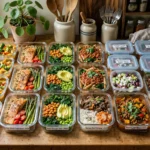
- Meal Containers: Use sturdy glass or BPA-free plastic containers in a mix of sizes for different meals and snacks. They keep food fresh and help with portioning.
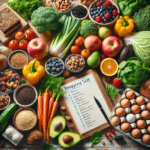
- Shopping List: Make a grocery list based on what you want to prep, so you stay focused and avoid buying extras you may not use.
- Simple Recipes: Pick beginner-friendly recipes that use fewer ingredients and basic seasonings. Sheet pan meals, grain bowls, and stir fries are pretty forgiving if you’re new to kitchen prep.
- Prep in Steps: Start with just one meal (like lunch) or batch cut veggies and proteins to mix and match through the week.
Quick Steps for Weekly Healthy Meal Prepping
I like to break meal prep down into a few manageable steps so it doesn’t turn into an all-day project. Here’s a step-by-step guide that makes the whole process smoother:
- Pick Your Meals: Select 2-3 recipes you can double or triple, plus some healthy snacks or sides like sliced veggies, fruit, or homemade hummus.
- Write Your Plan: Jot down what you’ll need for each meal, including spices, sauces, or toppings, so you’re not scrambling mid-prep.
- Grocery Run: Shop with your list, sticking mainly to the outer aisles for fresh produce, lean meats, and whole grains.
- Batch Cooking: Roast veggies, bake chicken, or cook whole grains in one go to build the base for multiple meals.
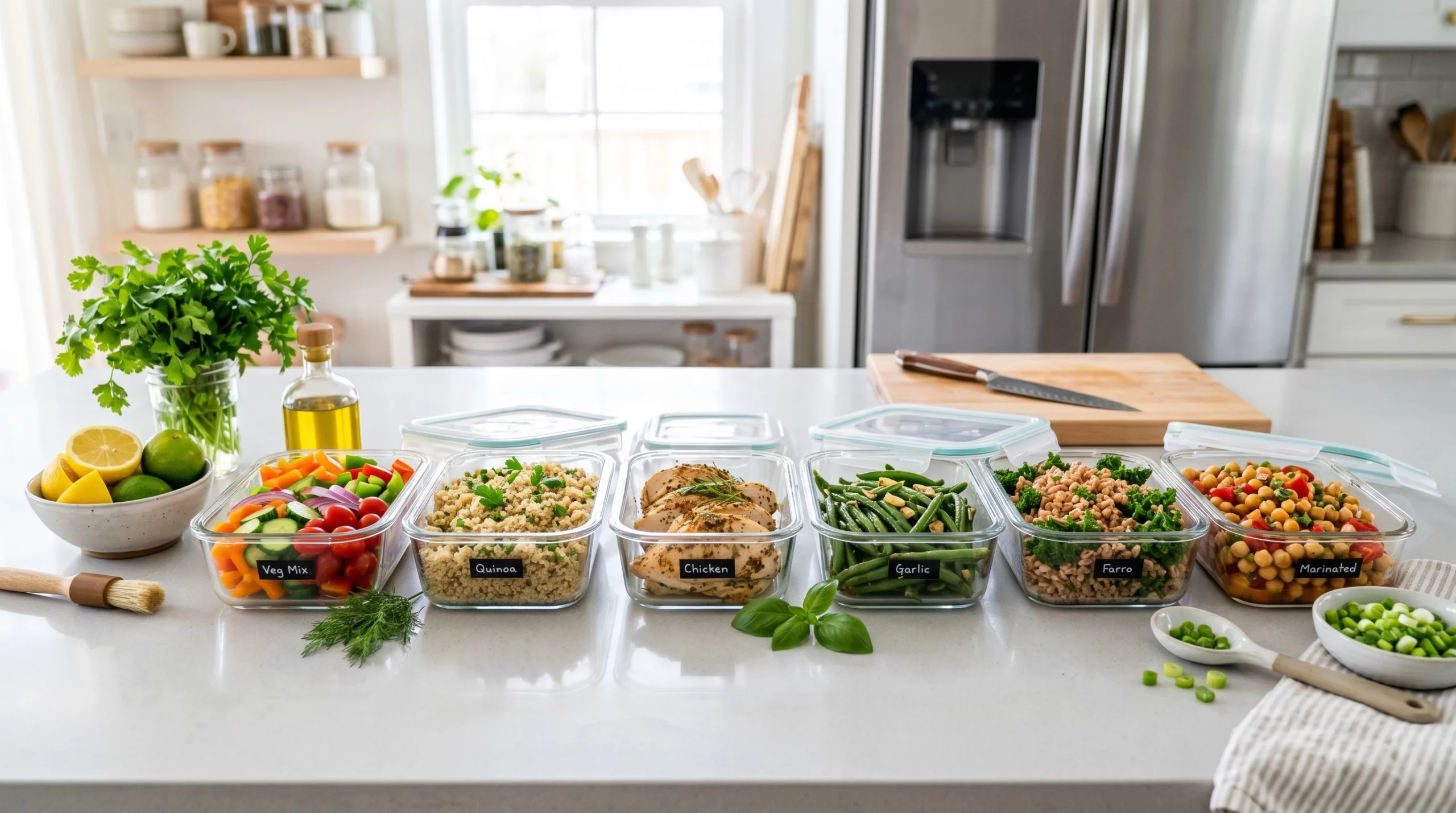
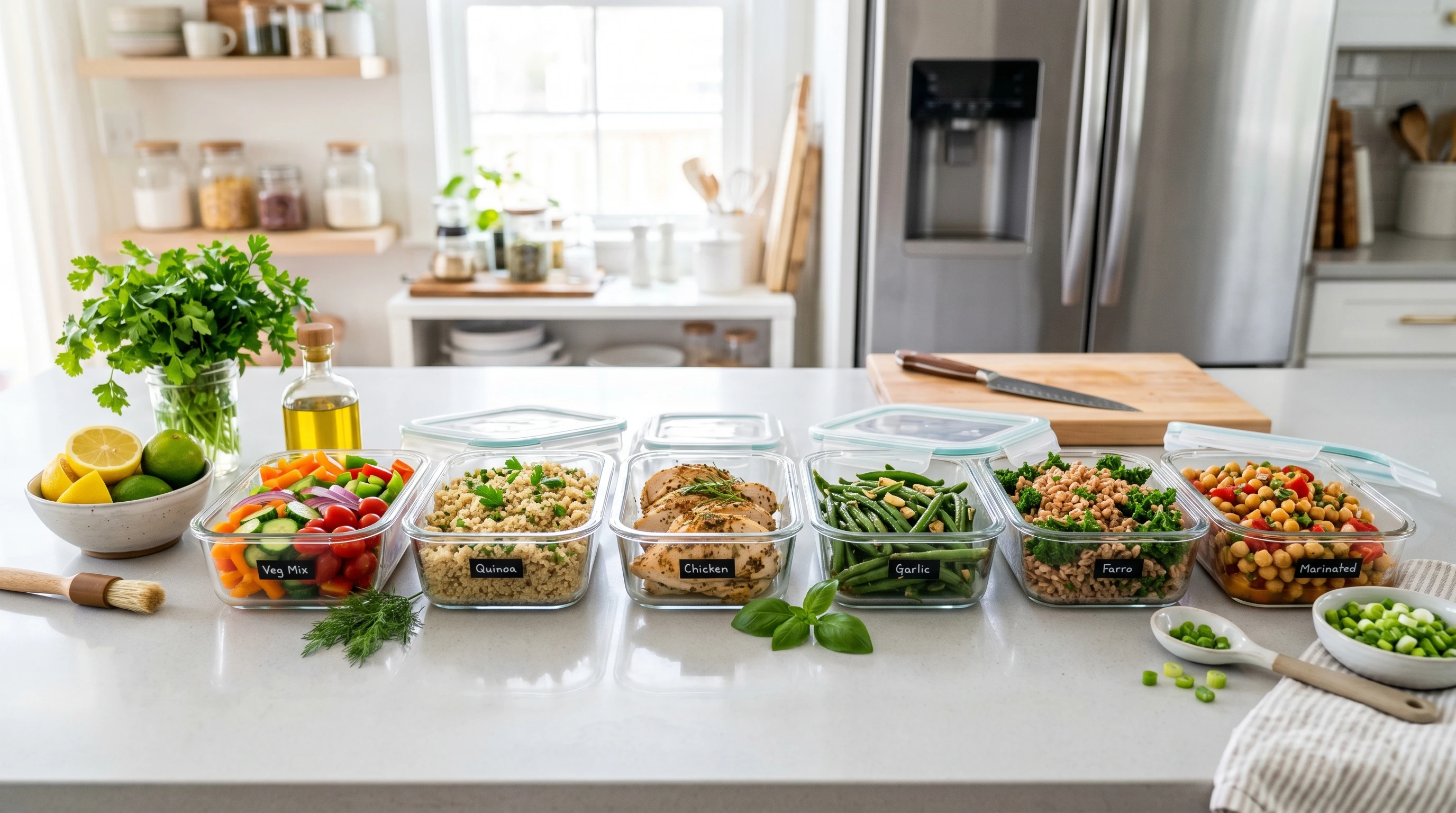
- Assemble and Store: Create meal “building blocks”, protein, grains, veggies- in containers, or fully assemble salads, bowls, or dinners as needed. Make sure everything is labeled and easy to grab.
This routine can be adjusted to fit your own schedule. Some weeks I prep everything in one weekend block. Other times I just batch cook a few basics to mix and match meals as I go.
Things to Consider Before You Start Meal Prepping
Meal prepping has a ton of upsides, but there are a few things that can trip you up if you’re not prepared. Understanding the common stumbling blocks can help you stay on track and avoid tossing food at the end of the week.
- Portion Sizes: Prepping bigger portions doesn’t always mean you have to eat huge servings. Using a kitchen scale or measuring cups can help with consistency, especially for calorie tracking.
- Storage and Freshness: Some foods (like leafy greens and berries) don’t keep as long as grains or roasted veggies. Store more delicate items separately and prep them later in the week if you can.
- Flavor Fatigue: Eating the same foods can get boring fast. Using different sauces, herbs, or seasonings to switch things up keeps meals tasting interesting.
- Time Commitment: Meal prepping takes a little more time at the start, but usually saves time during busy weekdays. Even an hour or two can set you up for several days.
Keeping Food Fresh
Food quality and safety matter, especially if you’re prepping meals several days in advance. Storing food in airtight containers and refrigerating or freezing anything you won’t use within 3 to 4 days can help keep everything tasting fresh and safe. I also like to reheat only what I’ll eat right away to avoid soggy textures, especially with cooked veggies and grains. Labeling each container with the meal date helps keep things organized.
Managing Variety and Avoiding Boredom
A small rotation of recipes, like changing up grains each week or switching between chicken, fish, and tofu, can keep meal prepping from feeling like a chore. Having a few sauces or condiments on hand (think salsa, tahini dressing, or pesto) is an easy way to mix up flavors without extra work. Trying seasonings from different cuisines—like cumin, curry powder, or Italian herbs—adds pizazz and helps you track down new favorite meals. You could also get family or friends involved and swap meal ideas to really keep things fresh.
Advanced Healthy Meal Prep Strategies
After you get the basics down, there are plenty of ways to take meal prep up a notch. This helps if you’re looking to save even more time, eat a wider range of nutrients, or just make healthier eating more sustainable.
Theme Your Prep Days: Try giving each week or day a little variety by picking a theme, like taco bowls, Mediterranean salads, or Asian inspired stir fries. Themes keep things exciting and help you use up similar ingredients so nothing goes to waste. You might even stumble upon global flavors you never considered before, or get into friendly kitchen competitions with roommates or family.
Ingredient Prep: Instead of prepping whole meals, prep components like grilled chicken, roasted veggies, quinoa, and hard-boiled eggs so you can assemble different combos based on what you’re in the mood for. Put together grain bowls, wraps, or salads quickly, and switch things up by adding new toppings each time.
Smart Use of Freezer: Freezing smoothie packs, cooked grains, or soups adds flexibility for days you don’t want to cook at all. Label with dates to keep track of what you’ve got on hand. Frozen veggies can save lots of time and still taste great in cooked dishes.
Prep Snacks Too: Sliced veggies, hummus, yogurt cups, fruit, and portioned nuts or seeds make great grab-and-go snacks. Having healthy snacks ready can really help you avoid reaching for less nutritious convenience foods.
Best Foods for Efficient Meal Prepping
Certain foods just hold up better to prepping and storage. Here are some of my favorite ingredients that make meal prep easier and tastier all week long:
- Whole Grains: Brown rice, quinoa, farro, and barley keep well and work as a base for salads, bowls, and wraps.
- Lean Proteins: Chicken breast, hard-boiled eggs, tofu, tempeh, and canned beans are sturdy options.
- Sturdy Veggies: Broccoli, carrots, bell peppers, green beans, sweet potatoes, and Brussels sprouts can be roasted or steamed ahead of time.
- Leafy Greens: Baby spinach and kale hold up better than lettuce, and can be packaged separately to toss into dishes as needed.
- Flavor Boosters: Pre-diced onions and garlic, fresh herbs, lemon juice, and easy sauces for fast assembly. These give a boost to even simple dishes.
It’s totally fine to add precut or frozen veggies if you’re tight on time; these can save prep time and still pack plenty of nutrients. If you explore your local supermarket’s frozen section, you might just track down new favorites you never thought to try fresh!
Meal Prep FAQs
People often have the same questions when they start out, so I’ve put together some common ones I hear all the time:
Question: How many days in advance can I prep meals?
Answer: Most cooked meals stay safe in the fridge for up to four days. If you want to prep for a whole week, freeze a few of the meals and defrost as you go.
Question: How do I keep my meal prep from getting bland?
Answer: Sauce and spice are your best friends! Switch up your seasonings or use different dressings to keep meals fresh and interesting.
Question: What if I get bored eating the same meal every day?
Answer: Prep basics like grains and proteins, then mix and match with different veggies or sauces for variety without extra effort.
Final Thoughts on Healthy Meal Prepping
Efficient meal prepping isn’t about spending entire weekends in the kitchen or eating repetitive meals. It’s more about making healthy eating easy and saving yourself some time and stress when life gets hectic. Even prepping just a few ingredients or meals ahead can make a big difference in the way you eat and feel through the week. Simple habits, like batch cooking proteins or roasting a pan of veggies, can set you up for healthy choices every day.
Experiment, keep things flexible, and don’t be afraid to mix up your system until you find what fits your schedule and tastes best. The more you practice, the more you figure out the shortcuts that work for you. Before long, healthy meal prepping can feel like a habit you actually want to keep. Time to jump into meal prepping for healthier, easier weeks ahead—your future self will thank you.