
If you’re like me, you can’t resist a big bowl of guacamole, warm tortillas, or a hearty taco plate. Mexican cuisine tends to win over almost everyone with bold flavor, rich spices, and loads of variety. At the same time, there’s this idea that Mexican food packs in too much fat, sodium, or calories to fit into a healthy lifestyle. It’s time to set the record straight. You can absolutely enjoy authentic Mexican dishes without worrying about guilt or extra calories. Here, I’ll share what I know about enjoying healthy Mexican cuisine, how to spot authentic options, and some of my favorite tips for keeping meals vibrant and fun, without missing any of the good stuff.
Why Real Mexican Food Can Actually Be Pretty Healthy
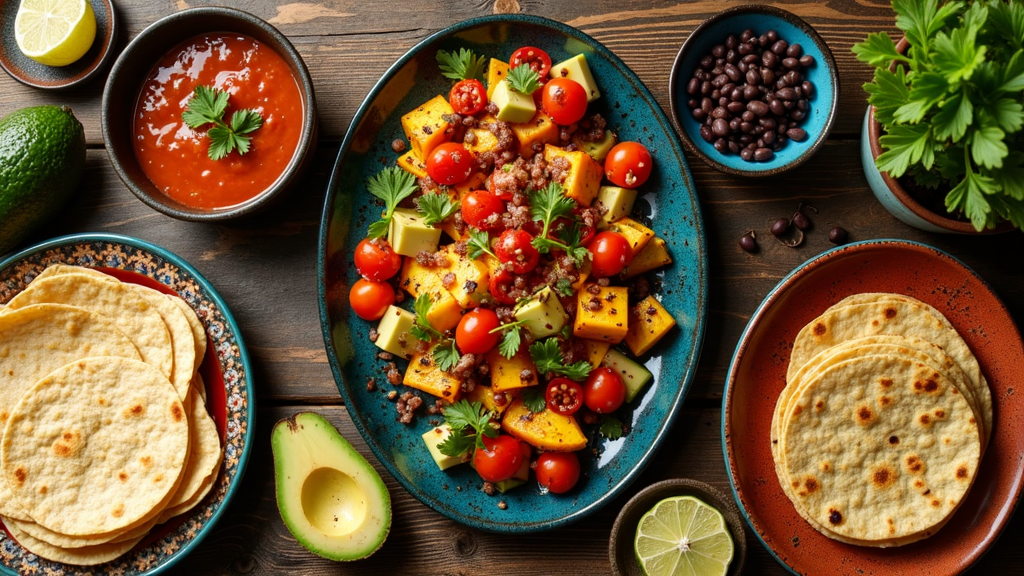
Fresh salsas, beans, chili peppers, corn, lean proteins, and herbs build the base of most authentic Mexican cooking. Street tacos, ceviche, nopales (cactus salad), and grilled fish are all examples of dishes that aren’t heavy on cheese or sour cream. When made the traditional way, the cuisine leans on vegetables, legumes, and seasonings for both flavor and nutrition.
One thing I notice at many chain restaurants is how dishes get Americanized – think giant burritos loaded with cheese, fried shells, or those massive heaps of sour cream. Classic recipes from Mexico itself usually skip the heavy stuff and pile on real flavor with herbs, citrus, and roasted veggies. Meals are balanced, filling, and not as packed with calories or processed ingredients as you might expect. Mexican food can actually fit really well into a healthy lifestyle with just a few tweaks.
Even items like tamales and pozole can be enjoyed as part of a nutritious diet when prepared with less oil and more veggies. Mexican cooking features a wide range of soups, stews, grilled meats, and plant-based dishes that naturally offer vitamins, minerals, and fiber without the calorie overload.
Finding the Healthiest Mexican Dishes
With so many choices on the menu, it’s easy to get overwhelmed. But there are plenty of Mexican dishes that naturally steer clear of excess fat and oils. Some are even lower in carbs for those watching that. Here are a few of my favorites and what makes them great choices:
- Grilled Fish Tacos: Topped with cabbage, pico de gallo, and a squeeze of lime. Lots of protein, fresh veggies, and hardly any added fat.
- Chicken or Veggie Fajitas: Sautéed with peppers and onions, these provide lean protein and a mix of colorful vegetables.
- Black Bean Soup: High in fiber, plant protein, and pretty filling. Go light on any added toppings like cheese or crema.
- Tostadas de Ceviche: Citrus-marinated seafood over a baked or lightly toasted corn tortilla with fresh salsa and avocado.
- Nopales Salad: Made from cactus paddles, tomatoes, onions, and cilantro, dressed with olive oil and lime for a dietary fiber boost.
- Caldo de Pollo (Chicken Soup): Brothy, veggie-packed, and comforting with minimal fat.
Of all the choices, ceviche stands out as one of the healthiest Mexican dishes you can order. It’s loaded with lean seafood and packed with bright, fresh flavors. No cooking oil, no cheese, and you still leave the table satisfied. That’s a win in my book.
Ensaladas, or salads, can also be a sleeper hit—especially when topped with grilled shrimp, nopales, or lots of fresh vegetables. Bowls that feature rice, beans, and grilled meats with fresh toppings are filling but can be easily tweaked to be lighter by going easy on sauces and cheese.
What To Order For a Lighter Meal at Mexican Restaurants
Healthy eating doesn’t mean giving up your favorite restaurants. I’ve found that knowing how to find your way around the menu helps tons. Whenever I’m out for Mexican food and want to keep things light, here’s what I look for:
- Choose grilled meats and seafood instead of fried options. On the menu, “a la plancha” or “asado” means it’s cooked on a grill or open flame.
- Ask for whole beans instead of refried beans. Whole black or pinto beans aren’t cooked with lard and have more fiber.
- Pick corn tortillas over flour. Corn contains fewer calories and more whole grains.
- Double down on salsas and skip creamy sauces. Salsa fresca, tomatillo salsa, and pico de gallo add flavor without extra fat.
- Order extra veggies on the side. Most places are happy to pack your plate with more vegetables if you just ask.
- Go easy on cheese, rice, and sour cream, or ask for them on the side.
Another trick I use: scan the menu for dishes labeled “del campo” or “del mar” (from the fields or the sea). These often feature veggie or seafood specialties that are naturally lighter.
It’s worth mentioning that even nachos or tacos can be lightened up by loading them with salsa and vegetables instead of extra cheese or cream. And skipping the fried shell for tacos makes a huge difference.
How to Tell If Your Mexican Food Is Actually Authentic
If you want both healthy and authentic, it helps to know what real Mexican cooking looks like. Here are a few of my tips for spotting the genuine stuff:
- Ingredient Simplicity: Traditional recipes keep it simple with a handful of fresh, quality ingredients. You’ll see lots of herbs, corn, lime, tomatoes, chilies, and whole beans.
- Preparation Methods: Authentic dishes are most often grilled, roasted, or stewed. Tamales, sopes, and even enchiladas are baked or simmered, not smothered in cheese and deep fried.
- Menu Clues: Menus that highlight regional Mexican styles—like Oaxacan mole, Yucatecan cochinita, or Michoacán carnitas—usually aim for authenticity.
- Use of Corn: Corn masa in tortillas, sopes, and tamales is a sign of real Mexican roots. Flour tortillas and cheese-laden dishes pop up more in American versions.
If I see dishes that pile on loads of melted cheese, sour cream, or fried shell, I know that’s not really how things are done in most of Mexico. Authentic meals just don’t rely on tons of dairy or greasy techniques. When in doubt, ask your server about the recipes; it’s a quick way to get the inside scoop on what’s traditional and what’s not.
Another sign of real-deal Mexican food is the presence of homemade salsas and pickled vegetables at your table. These little extras often provide both a flavor boost and a health advantage over heavier sauces.
Troubleshooting Unhealthy Menu Traps
It’s easy to assume all Mexican food is spicy, cheesy, or fried. That’s mostly an American spin. Here are a few common traps and how to get around them so you can keep Mexican nights healthy:
- Fried Tortilla Chips: These can add up fast. Ask if they have baked chips or swap the chips for cucumber slices with salsa.
- Heaps of Rice and Cheese: Many plates arrive with massive piles of white rice and melted cheese, which add calories without many nutrients. Ask for brown rice or double beans instead, or skip the cheese.
- Oversized Portions: Restaurant portions are usually double what you’d serve at home. Share plates, or take half home if you feel full.
I also make it a point to stay hydrated, especially if spicy food is involved. Agua fresca or sparkling water with lime works great if I’m aiming for a lighter meal. Drinks like sugary sodas and margaritas are best saved for an occasional treat, since they quickly bump up sugar and calorie intake.
When ordering tacos, even simple moves like requesting grilled fillings over battered or fried can save hundreds of calories per meal. Don’t be shy about customizing your plate, as most restaurants understand the need for dietary requests.
Leveling Up: Simple Ways to Make Mexican Dishes Healthier at Home
Cooking at home is where you get to be in control. Authentic Mexican flavor can be simple to build with a few tricks. Here are my go-tos for making any Mexican dish healthier without making it taste bland:
- Swap oils: Use a little avocado or olive oil instead of lard or vegetable shortening.
- Double the vegetables: Add extra spinach, peppers, tomatoes, and squash to tacos, soups, or stews.
- Go for leaner proteins: Chicken breast, fish, turkey, or beans keep things filling and cut down on saturated fat.
- Use citrus, garlic, and herbs: These add lots of flavor and let you cut back on salt.
- Make your own salsas: Fresh salsas add flavor with almost no calories. Try salsa verde, pico de gallo, or fire-roasted tomato salsa.
When prepping Mexican meals at home, batch-cook beans and grill extra veggies for the week. Having cooked ingredients on hand makes it easy to throw together tacos or bowls that taste just as good as eating out, but lighter and more nutritious.
And if you want something sweet after your meal, try fruit-based treats like mango with lime and chili powder, or a cup of fresh pineapple. These give you a burst of sweetness without too many added sugars.
Frequently Asked Questions
Here are quick answers to some common questions I hear about healthy Mexican cuisine.
What is the healthiest Mexican food dish?
Ceviche is tough to beat if you’re looking for the healthiest dish. Lean seafood, fresh lime, tomato, onion, and chilies mean no oil and almost no calories but plenty of protein.
What is the healthiest Mexican food to order?
Grilled fish or chicken tacos with corn tortillas, topped with salsa, shredded cabbage, and avocado. Ask for beans (not refried) and skip the cheese to keep things light and balanced.
Is authentic Mexican healthy?
Absolutely. Real Mexican meals pull heavily from veggies, legumes, lean meats, and fresh salsas. The calorie-dense, heavier dishes are usually Americanized spins, not the authentic originals.
How to know if Mexican food is authentic?
Keep an eye out for corn tortillas, lots of salsas and beans, plenty of grilled or stewed meat and veggies, and fewer cheese-laden or deep-fried items. Simpler, veggie-forward plates are a solid sign of the real thing.
Enjoying Mexican Cuisine Without The Guilt
Jumping into authentic Mexican food is both satisfying and healthy when you know what to look for and how to make small swaps, whether at home or in a restaurant. Fresh salsas, plenty of veggies, whole beans, corn tortillas, and lean proteins all come together for meals that are tasty and good for you. Real Mexican food is about vibrant ingredients and real flavor, so you never have to miss out, even when eating lighter. Mexican cuisine offers options for every taste, and with just a bit of know-how, you can keep every meal fun and guilt-free.

I don’t cook and as a mexican, it kinda looks bad.
However, I do enjoy reading a good recipe and following its instructions. Maybe reading a bit about its background and culture… I really need to try this dish. It looks easy to cook and looks very appealing to the eye-my eye!