
Seaweed isn’t just a side note in Japanese cuisine; it’s popping up everywhere from smoothie bowls to chips, and with good reason. The ocean’s greens pack in a unique nutrition punch, bringing something different (and honestly, pretty tasty) to everyday meals. Loading up your plate with seaweed goes way beyond adding a trending color; it can be a smart way to bump up your health game without much hassle.
Why Add Seaweed to Your Diet?
Putting seaweed in meals isn’t just about variety; it’s had a long-standing spot in global cuisines, especially in Asian countries. These edible marine plants come loaded with minerals and vitamins that aren’t always easy to get from other foods. Seaweed draws nutrients straight from seawater, which is one reason why it’s so full of good stuff. Many dietitians recommend it for its fiber, iodine, and an impressive list of micronutrients that help support healthy living.
The edible seaweed market’s grown fast in the last decade. Interest took off as nutritionists, chefs, and food lovers realized how easy it is to include in daily cooking. Whether you’re tossing nori into a bowl of ramen or sprinkling dulse on popcorn, there’s a seaweed for pretty much every palate and meal.
This isn’t just food for health nuts; big food brands, plant-based chefs, and even fast-casual spots are leaning into the ocean greens trend. It’s worth tracking down just for the range of flavors and textures it brings to the table.
Getting Started: Popular Types of Edible Seaweed
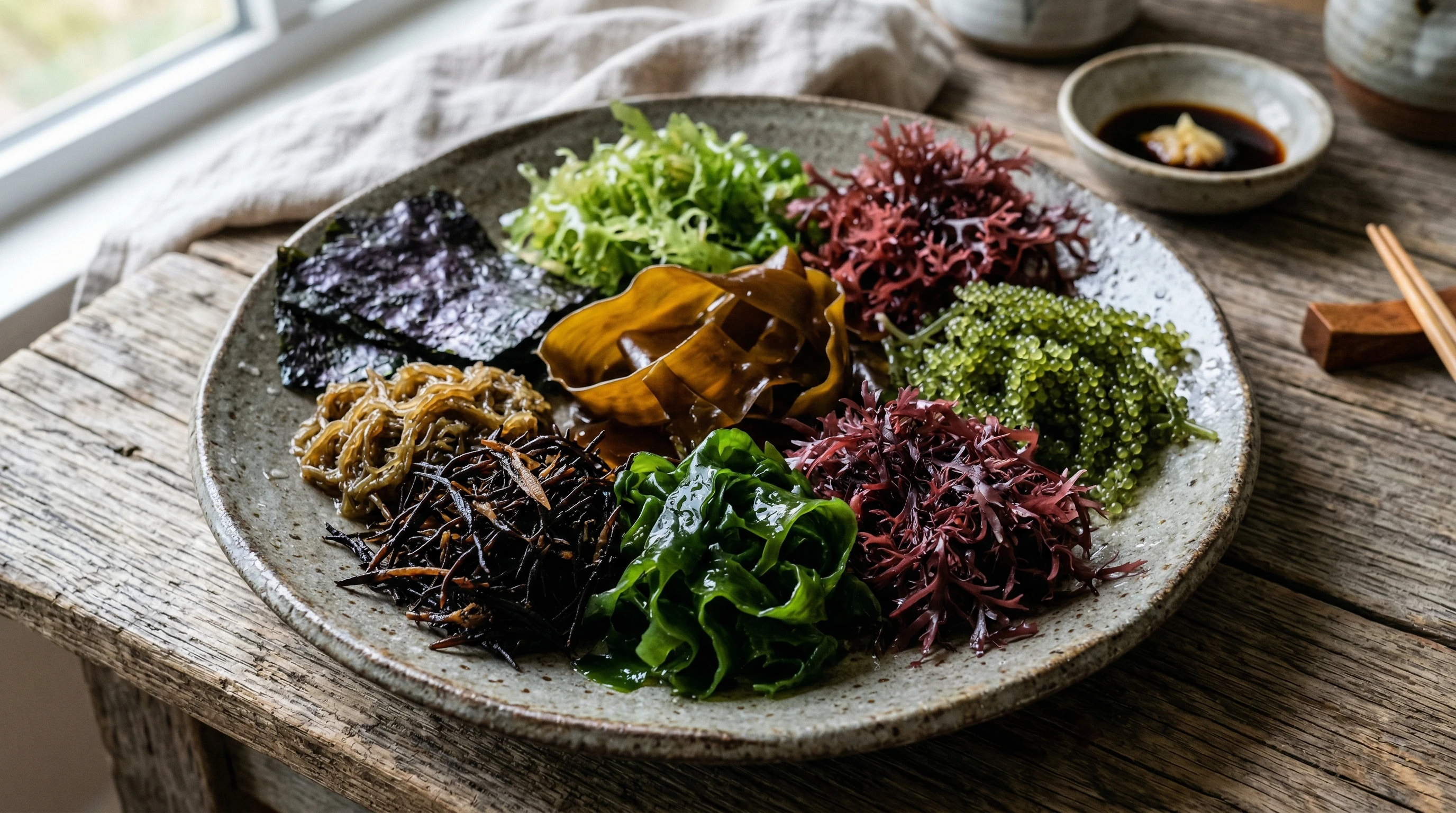
Strolling through the seaweed section at any store or Asian market, it can feel a little overwhelming. There’s way more than just the wraps you see on sushi. Here are some common types you’ll probably spot in recipes or on ingredient lists:
- Nori: Those shiny sheets wrapped around sushi rolls. It’s mild, crispy, and easy to use in snacks or for rolling up homemade sushi.
- Wakame: A classic for miso soup, this is tender and slightly sweet. It softens quickly when added to hot dishes, making it handy for quick dinners or salads.
- Kombu: Sold in thick strips, kombu is a key part of making broths and stocks, like Japanese dashi. It brings a subtle umami boost that’s hard to match.
- Dulse: Sold as flakes or whole leaves, dulse has a smoky flavor and works well sprinkled on roasted veggies or blended into smoothies.
- Sea Lettuce: Bright green and thin, this one adds color and a mild taste to salads or soups.
Other sea vegetables (like hijiki or arame) are also gaining popularity. They’re especially good in stir-fries and salads, offering even more options for cooks interested in expanding their menus.
How Seaweed Gives Your Health a Boost
This isn’t just hype; seaweed packs a bunch of nutrients that are great for you. Check out why so many people are jumping into making it a kitchen staple:
- Loaded with Iodine: Your thyroid needs iodine to keep hormones steady. Seaweed stands as the richest natural food source for this mineral, especially varieties like kelp and kombu.
- Packed with Fiber: Seaweed is full of soluble fiber, which helps with digestion and keeps you feeling full. It’s an easy swap for anyone looking to support gut health.
- Low in Calories, Full of Micronutrients: Seaweed delivers calcium, magnesium, iron, vitamin K, folate, and other essentials busy bodies need, but without piling on extra calories.
- Supports Heart Health: Studies show that seaweed compounds might help support healthy cholesterol and blood pressure, giving your ticker a bit of a boost.
- Unique Antioxidants: Seaweed provides phytonutrients you won’t find in land veggies. These compounds help your body handle daily stress better.
These perks are handy if you have a limited diet or want some variety without having to track down lots of obscure produce at the store. Even adding a sprinkle here or there brings nutrients you might be missing in a regular grocery haul.
Quick Guide to Adding Seaweed to Everyday Meals
It’s easy to picture seaweed as just a sushi thing, but it slides into way more meals than you’d expect. Here’s how I work seaweed into weekly meal prep without blowing my grocery budget or eating up a lot of kitchen time:
- Start Small: Use pre-roasted nori snacks as a crunchy topping for soups or rice bowls. If you’ve never cooked with seaweed, this is a gentle way to try it out.
- Add to Broths: Drop a strip of kombu or a spoonful of dried wakame into big batches of soup or stock. The seaweed softens and dissolves, giving your dish more umami and minerals.
- Mix into Salads: Soak dried seaweed like arame or wakame and toss with cucumbers, vinegar, and sesame oil for a super fast salad.
- Sprinkle Flakes: Dulse flakes add a smoky, savory kick to popcorn, avocado toast, or roasted potatoes.
- Get Creative with Sides: Fold chopped seaweed into potato salad, rice, or even pasta dishes for a fun twist.
These swaps are a simple way to try new tastes and pack in more nutrition, especially if you’re expanding your homecooking game.
People also like to use seaweed wraps as gluten-free alternatives for sandwiches or snacks. Try using large nori sheets to roll up grains, veggies, and protein for a fast lunch, or crumble some dried seaweed over a sheet pan of roasted root veggies before serving.
What to Watch For When Adding Seaweed
Like any new food, seaweed is best used with a bit of know-how. Keep a few things in mind before tossing it in every dish:
- Keep an Eye on Iodine: Too much iodine isn’t great, and some seaweed (like kelp) is super concentrated. Mixing up different types or watching serving sizes keeps things on track.
- Sodium Content: Seaweed snacks and packaged options can be salty, especially the roasted snacks. If you’re watching your sodium, check the labels first.
- Allergies or Sensitivities: If you have shellfish or fish allergies, start with tiny amounts since some people with those allergies react to seaweed as well.
- Sourcing: Choose brands that test for contaminants like heavy metals. Reputable brands usually offer info online about how they harvest and test their seaweed.
Managing Iodine Intake
Iodine is really important for thyroid health, but going overboard brings its own issues. Most people are safe with a few servings a week. If you have thyroid trouble, ask a doctor or dietitian before loading up on seaweed products.
Quality and Source
Where your seaweed comes from matters. Some regions have cleaner waters, and responsible harvesting protects both your health and the environment. Look for products from trusted sources, and don’t be shy about asking brands about their testing processes.
Storage Tips
Most dried seaweed keeps for months in airtight packaging. Store it somewhere cool and dry, and keep it sealed to protect from moisture. Open nori or snack seaweed should be used up soon to dodge sogginess.
Seaweed can be a fun, easy ingredient to try out, but learning what you’re buying and eating makes all the difference.
Simple Ways to Get the Most Out of Seaweed
Cooking with seaweed doesn’t have to be complicated. Once you’re comfortable with the basics, there are a bunch of ways to sneak it into meals and snacks for an extra nutrient boost. Here’s what I’ve found in my own kitchen experiments:
Add Seaweed to Old Favorites: Chopped nori or wakame stirred into scrambled eggs, noodle bowls, or even homemade bread dough gives a savory spin. Crackers made from wholegrain flour and crushed dulse are great with dips or cheese.
Try Seaweed Smoothies: A small bunch of sea lettuce or some spirulina (another algae) whirls easily into tropical fruit smoothies without overpowering the flavor. It’s a quick way to punch up post-workout drinks.
Toss in Marinades or Sauces: Kombu or kelp powder stirs right into stir-fry sauces, bringing depth and richness to the table. These powders also taste great in salad dressings or as a seasoning for tofu and veggies.
Get the Family Involved: Kids often like the crunch of roasted seaweed snacks, especially when cut into fun shapes. If you’re packing lunches, rolling up nori around veggies and rice is an easy homemade sushi hack.
Mixing and matching keeps things interesting for picky eaters or anyone hoping to boost their nutrition without spending a lot. Try:
- Salads: Add soaked wakame or arame to grain or bean salads for extra texture.
- Soups and Stews: Use kombu when making broth, then remove after cooking for a delicate taste.
- Wraps: Big nori sheets work as gluten-free wraps packed with grains and veggies.
You can also blend powdered seaweed into your morning omelet mix for a subtle, salty edge, or stir it into burger patties for a hidden nutrient hit. Don’t be afraid to mix in some variety—seaweed is pretty adaptable.
Frequently Asked Questions
Here are some common questions and answers about adding seaweed to your routine:
Question: Is seaweed safe for everyone?
Answer: Most people can enjoy seaweed in regular amounts. If you have thyroid issues or are pregnant, check in with your doctor first, since iodine can be a concern.
Question: What’s the best way to store seaweed?
Answer: Dried seaweed keeps best in airtight containers, away from direct sunlight. If you buy fresh or soaked seaweed, use it within a day or two for the best flavor and texture.
Question: Can I eat too much seaweed?
Answer: Going overboard can mean too much iodine or sodium. A few servings per week (about one or two nori sheets, or a spoonful of flakes daily) is a handy starting point for most people.
Wrapping Up
Working seaweed into meals doesn’t have to mean a total kitchen overhaul. Whether you want to start small with nori snacks or go all in with weekly miso soups and seaweed salads, these ocean greens offer a lot for anyone who gives them a go. With their distinct taste and real health benefits, seaweed deserves a spot in your fridge or pantry. Getting creative is half the fun; with a little practice, seaweed might just become one of those ingredients you reach for naturally, stepping up your cooking creativity and nutrition without much effort!