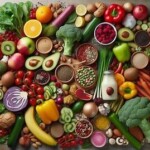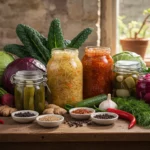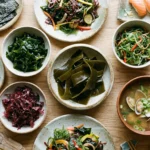
Superfoods have turned into a bit of a buzzword, but I find their real value comes down to how they fit into everyday cooking. These foods aren’t magic bullets, but they pack a bunch of vitamins, minerals, antioxidants, and other good stuff that your body loves. Swapping them into regular meals is actually pretty simple and can freshen up recipes you might’ve been making for years. Whether you’re trying to add a nutrition boost or just love experimenting in the kitchen, using superfoods is a fun way to get creative while supporting your health goals.
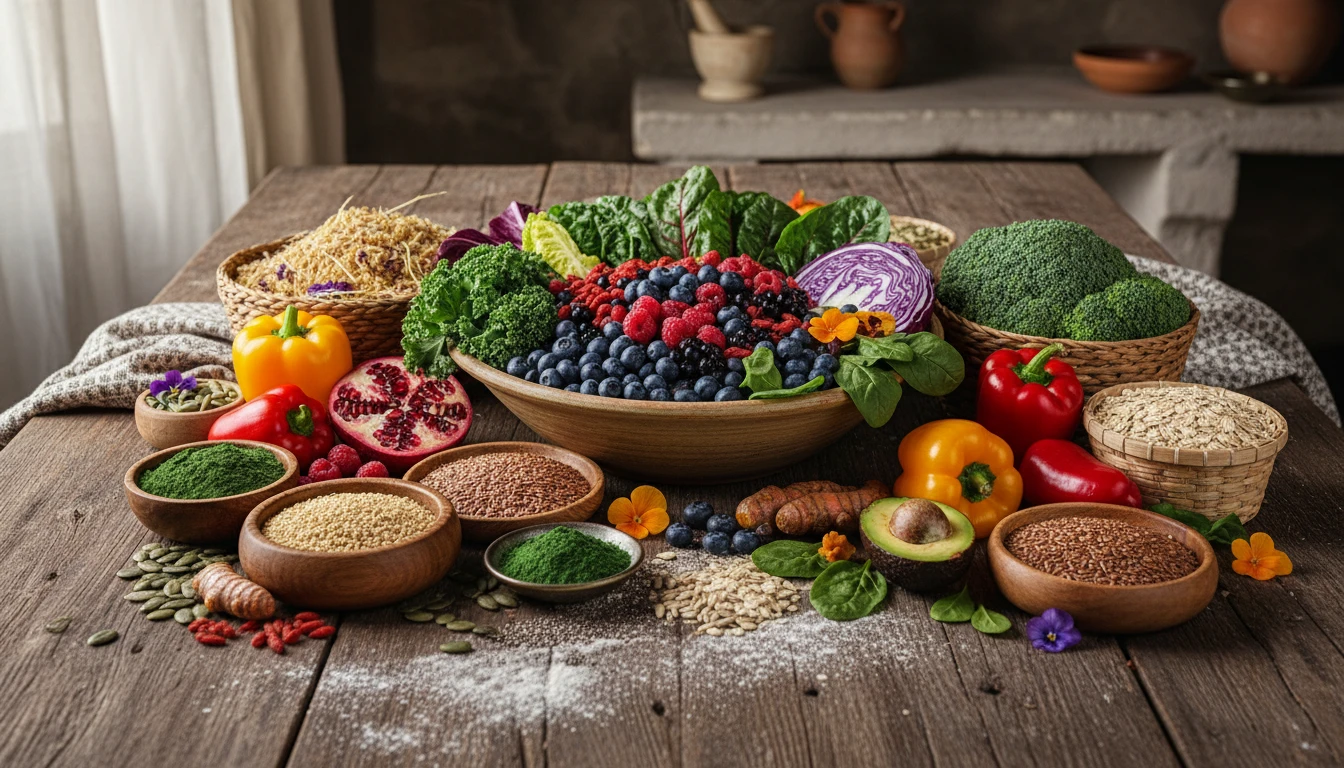
Why Superfoods Are Worth Your Attention
The term “superfood” doesn’t have a strict definition, but it usually refers to foods shown to have above-average nutritional value or potential health-supporting benefits. Blueberries, kale, chia seeds, and salmon are a few examples you’ve probably seen around. People love them for the dense doses of vitamins, fiber, healthy fats, and phytonutrients they offer in a pretty small package.
Adding these foods to daily meals isn’t just about following trends. Researchers highlight the benefits of plant-based nutrients and healthy fats for energy, heart function, and even immune support. It’s less about chasing the next miracle cure, and more about small, consistent nutritional upgrades that add up over time. That’s the real power of working superfoods into your routine.
Getting Started: Easy Superfoods To Mix Into Everyday Recipes
If the idea of “eating healthier” sounds overwhelming, starting with a few versatile superfoods keeps things stress-free. I’ve found these are easy to buy, prep, and blend into the meals I already enjoy:
- Blueberries: Naturally sweet and great for snacks, oatmeal, or smoothies.
- Kale or Spinach: Toss into salads, omelets, or blend into pesto and sauces.
- Chia Seeds: Stir into overnight oats, yogurt, or make a quick chia pudding.
- Salmon: High in omega-3s; bake, grill, or flake into salads for protein-packed meals.
- Quinoa: Use instead of rice for added fiber and plant protein.
- Sweet Potatoes: Roast, mash, or cube into stir fries for a touch of sweetness and antioxidants.
- Broccoli: Steam, roast, or add to soups, fiber and vitamins without much fuss.
All of these work as building blocks for dozens of simple recipes. The trick isn’t to change every meal, but to find where superfoods fit naturally into your usual menu.
Simple Ways To Add Superfoods To Your Cooking
Tweaking everyday recipes to include more nutrition takes a little creativity, but it’s a lot less complicated than it sounds. Here’s how I like to work superfoods into regular meals without feeling like I’m giving up the flavors or habits I’m used to.
- Start With One Swap: Replace rice with quinoa, or use spinach as a salad base instead of iceberg lettuce.
- Add To Snacks: Toss a handful of blueberries or goji berries onto your morning yogurt, or snack on roasted chickpeas.
- Mash It Up: Puree sweet potatoes or cauliflower into soups and stews for extra creaminess and nutrition.
- Top Up Your Bowls: Sprinkle chia seeds or pumpkin seeds over smoothie bowls, oatmeal, or stir fries for crunch and omega-3s.
- Use Color As Your Guide: More color often means more nutrients. Berries, kale, and peppers make recipes pop and boost vitamin content.
Keeping a few of these options stocked in your fridge or pantry makes nutrient-rich cooking second nature. If you’re batch cooking or prepping meals, throwing in a few superfoods doesn’t mean extra time or work; it just makes meals more vibrant and satisfying.
Things To Think About Before Going All In On Superfoods
Loading up on superfoods is a pretty good way to upgrade your meals, but there are a couple of things I always keep in mind:
- Cost: Some superfoods can get expensive, like acai berries or certain seeds. Sticking with common picks like oats, kale, and frozen berries keeps things budget-friendly.
- Sourcing: Fresh isn’t always possible, but frozen versions of berries and greens work great and keep more nutrients than you might expect.
- Balance: No single ingredient “fixes” a diet. Superfoods work best as part of a mix of fruits, veggies, proteins, and grains.
- Portion Control: Even healthy fat sources like nuts and seeds are calorie-dense, so I watch serving sizes to match my personal nutrition needs.
Budget Friendly Picks
Sometimes foods labeled as “super” are also super expensive. I look for deals on frozen berries, canned salmon, and in-season produce. For seeds, even a small bag lasts ages since you often only use a spoonful at a time. Beans, lentils, broccoli, and sweet potatoes are affordable choices that fit right in with a wide range of recipes.
Seasonal and Local Choices
Sticking with local and in-season superfoods not only helps my grocery budget, but also means everything tastes fresher. Strawberries in the spring, tomatoes and blueberries in the summer and root vegetables in the fall. Shopping with the seasons means I get more for less and support local farmers, too.
Beyond Basics: Smart Tips For Using Superfoods In Creative Ways
Experimenting with superfoods goes way beyond tossing chia seeds on top of yogurt. Some of my favorite ideas for mixing things up include:
- Make Your Own Energy Balls: Blend oats, nut butter, cacao nibs, and seeds for snacks on the go.
- Superfood Pesto: Swap some or all of the basil for kale or spinach, and add walnuts for healthy fats.
- Berry Boosted Pancakes: Mix blueberries into pancake batter or use blended spinach for green pancakes.
- Chia Jam: Simmer berries with a bit of honey and chia seeds for a quick, thick jam.
- Bake With Veggies: Add shredded zucchini or carrots to muffins and breads for moisture and vitamins.
- Superfood Dressings: Blend avocado, Greek yogurt, and fresh herbs for a creamy, nutrient packed salad topping. You can even stir in hemp seeds for extra protein.
- Homemade Granola Mix: Combine rolled oats with pumpkin seeds, dried goji berries, and chopped nuts for a fiber and antioxidant boost on your morning parfait or yogurt.
Blending new flavors and textures into everyday meals turns basic recipes into something I actually look forward to eating daily. It’s all about taking small risks and stumbling upon combos that work for you. If you aren’t sure about a certain superfood, try tiny amounts first, and gradually increase as you get used to its taste and texture.
Cooking with superfoods can also be a family adventure. Get kids involved by letting them pick out a new colorful veggie or fruit each week and add it into recipes—it’s a fun way to boost nutrition and get everyone excited about meals.
Superfoods In Action: Everyday Examples
Putting theory into practice, here are a few everyday examples that show just how easy (and tasty) it is to include superfoods at home:
- Breakfast: Overnight oats with chia seeds, almond butter, and mixed berries. Everything comes together in a jar, and you wake up to a grab-and-go meal loaded with nutrients.
- Lunch: Kale salad topped with quinoa, avocado, chickpeas, and a sprinkle of pumpkin seeds. A squeeze of lemon and olive oil is all you need for dressing.
- Dinner: Grilled salmon served alongside a roasted sweet potato and steamed broccoli. It’s a balanced plate that comes together faster than delivery and tastes like a treat.
- Snacks: Hummus with carrot sticks or a handful of plain roasted nuts. No fuss, just solid nutrition between meals.
- Dessert: Blend frozen bananas, cocoa powder, and almond milk into a creamy “nice” cream. Add some crushed walnuts and berries for an antioxidant-loaded finish to your meal.
You don’t have to overhaul your entire diet at once. Adding one or two superfoods a week is a great way to make gradual improvements that actually stick. Rotating your choices also means you’re getting a range of nutrients, which supports overall health.
Frequently Asked Questions About Cooking With Superfoods
Here are a few common questions I get about weaving superfoods into everyday meals:
Question: Are superfoods just a fad, or do they really work?
Answer: Calling something a superfood doesn’t make it magically heal anything, but these ingredients have been well studied for their nutrition. If you add them consistently, your meals will likely be more nutritious overall. It’s not a quick fix, just a smarter way to build meals.
Question: Is it better to cook or eat superfoods raw?
Answer: It depends on the food! Some, like berries, are tasty raw. Others, like kale or broccoli, can be easier to digest and enjoy a little more cooked. Both raw and cooked versions have their own perks, so I mix it up to keep meals interesting.
Question: How can I find superfoods that fit my budget?
Answer: Go for widely available options like carrots, oats, beans, cabbage, and frozen berries. They often have similar benefits to pricier options and can be found at any grocery store.
Question: Can superfoods help with weight management?
Answer: Superfoods are often filling due to their fiber, protein, or healthy fat content. Swapping them in for less nutrient-dense foods can help you feel satisfied and energized throughout the day, which can make it easier to stick to healthy habits over time.
Bringing It All Together
Embracing superfoods in everyday cooking is about exploring new flavors, boosting nutrition, and making meals more interesting. From easy swaps in your favorite recipes to trying out a new ingredient in something you already love, these tweaks can make a real difference over time. Start simple and see what actually works for your lifestyle, and pretty soon, cooking with superfoods just feels like second nature.