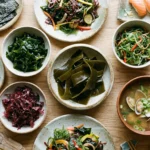
Fermented foods have shown up in so many different cultures over thousands of years, from tangy sauerkraut in Central Europe to spicy kimchi in Korea, and yogurt bowls that pop up in Greek cuisine. I always get curious about old-school food traditions, but fermentation isn’t just a nod to the past. It’s actually pretty handy for your everyday wellness and can level up your meals in flavor and nutrition. Here’s a look at why fermented foods are worth checking out, the science behind their benefits, and some easy ways to start fermenting your own stuff at home.
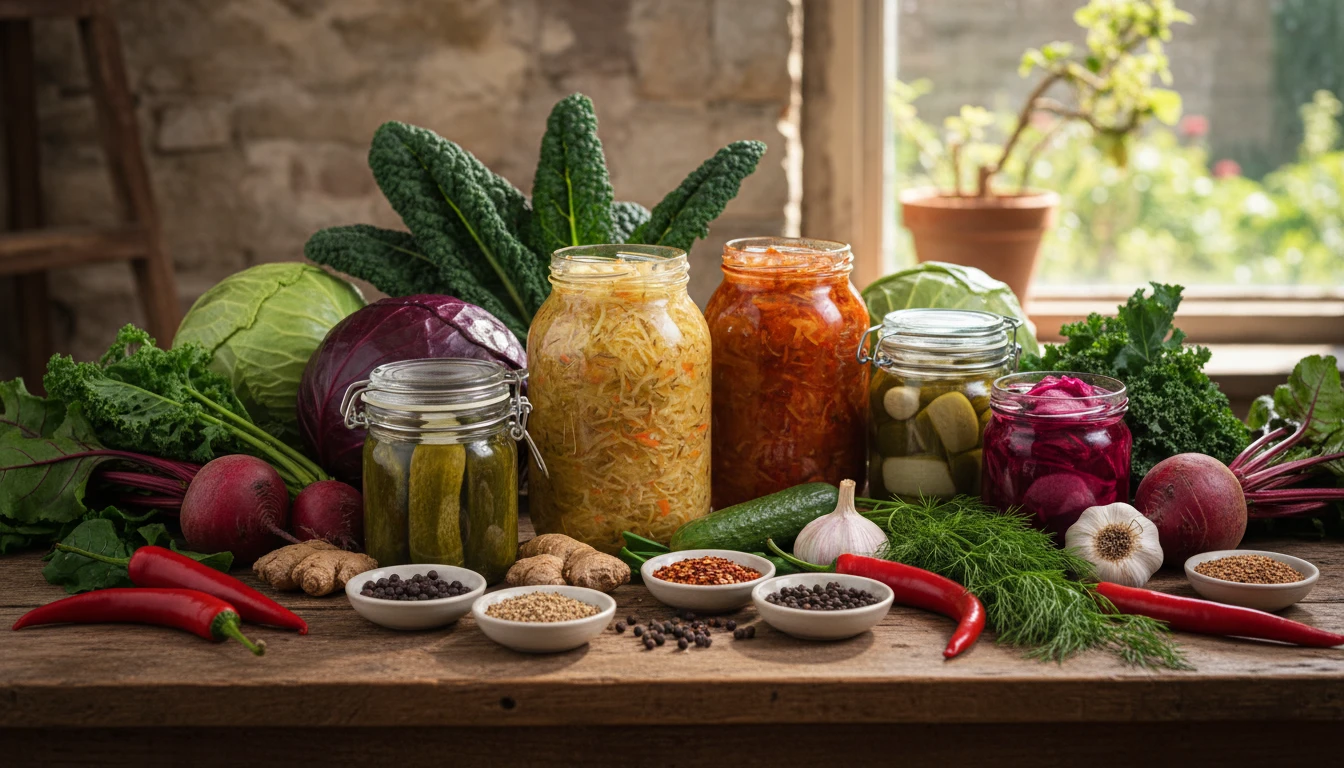
Why Fermented Foods Are Popping Up Everywhere
Fermented foods have picked up serious attention lately for good reason. They combine big flavor with some major potential benefits for gut health and immune support. The process of fermentation is basically when natural bacteria, yeast, or molds help break down ingredients. Not only does this give foods a totally new taste and texture, but it also changes their nutritional profile. Foods like yogurt, kombucha, pickles, and sourdough bread are all results of this process.
On top of being tasty, fermented foods often last longer since the “good” bacteria help keep the “bad” bacteria away. This preservation trick came from times before fridges, but the flavor and health perks are making a comeback with home cooks and foodies these days. Even trendy chefs have started adding housemade ferments into their signature dishes because of their unique depth of flavor.
How Fermentation Works
It’s pretty wild how simple ingredients can transform into something complex and bold. Here’s what happens, broken down simply:
- Lactic Acid Fermentation: Bacteria (like Lactobacillus) munch on sugars in your veggies or dairy and turn them into lactic acid. This makes foods more tangy and helps preserve them. You’ll see this in foods like kimchi, pickles, and yogurt.
- Alcoholic Fermentation: Yeasts like Saccharomyces cerevisiae eat sugar and produce alcohol and carbonation. This is the go-to for making beer, cider, and even some breads.
- Acetic Acid Fermentation: Certain bacteria take alcohol and turn it into vinegar. This pops up in things like kombucha and apple cider vinegar.
All that’s usually involved are the right conditions: salt, water, maybe a little starter, and a bit of time. The microbes do the rest while you wait. Pretty low effort, honestly. Not only does this keep things simple, but it also makes fermentation accessible for anyone who’s interested in adding nutritious foods to their kitchen without fancy equipment.
Big Benefits of Fermented Foods
I love adding fermented foods to meals for the taste, but there’s more going on under the surface. Here are a few real advantages to eating (and making) ferments:
- Gut Health: Fermented foods often have probiotics, which are live bacteria that thrive in your digestive system. These can help keep your gut bacteria in balance and even support regular digestion.
- Digestion: Breaking down food with microbes can make nutrients easier to absorb. Ever notice how some people who can’t tolerate fresh milk sometimes do just fine with yogurt?
- Immune Support: A balanced gut can support a healthy immune system. Some ferments also bring bioactive compounds or extra vitamins along for the ride, too.
- More Flavor, Less Sugar: Fermentation often bumps up the tart, funky flavor of foods. I find I don’t need to add as much sugar or salt to recipes as a result.
- PackedWithNutrients: Certain ferments (like miso and tempeh) bring extra protein, enzymes, or B vitamins you won’t get from unfermented versions.
Plenty of small studies back up these benefits, and there’s a growing pile of research on the links between fermented foods, gut health, and even mood. For example, some recent studies suggest that people who regularly eat fermented foods may notice improvements in digestion and a more responsive immune system. Plus, the incorporation of fermented foods into a daily diet can help with nutrient absorption, meaning your body might get more value out of the same ingredients you already eat.
Simple Guide to Making Fermented Foods at Home
Making your own ferments sounds kind of advanced (and sometimes funky), but it’s actually pretty basic once you get started. Here’s a quick road map I like to use for the most popular fermented foods:
- Sauerkraut: Just chop cabbage, sprinkle with salt, and pack it tightly in a jar. The cabbage juice draws out with the salt and forms a natural brine. Let it sit at room temp for about 1-2 weeks. Taste as you go, and when it hits your favorite sourness, pop it in the fridge. If you like it sweeter, try adding shredded apples or carrots during the initial mix.
- Yogurt: Heat milk, cool it down a bit, and add a spoonful of storebought plain yogurt (which holds the live cultures). Keep it warm (100-110°F) for 4-12 hours. You’ll have a creamy, mild yogurt with a fraction of store-bought additives. Try stirring in fruit, honey, or seeds before serving for more variety.
- Pickles: Slice cucumbers, pack into a jar with garlic, dill, and spices, and cover with salty water (brine). Leave it at room temp for 5-7 days. These get good and tangy, with crunch you can’t always find in vinegar pickles. You can experiment with spices like mustard seed, coriander, or even chili.
- Kimchi: Mix chopped cabbage, carrots, radish, ginger, garlic, fish sauce, and spicy gochugaru (or chili flakes). Massage it with salt, pack it in a jar, and leave it for about a week or two; it packs a punch!
- Kombucha: Brew black or green tea, add sugar, then add a SCOBY (symbiotic culture of bacteria and yeast). Let it sit for 1-2 weeks until fizzy and tart. (You can buy a SCOBY online or get one from a friend who brews.) For a twist, try a second fermentation by adding fruit or herbs for extra flavor.
The basics are easy: Use clean equipment, the right salt (no iodine or anticaking agents), fresh ingredients, and be patient. Honest mistakes happen, but as long as it smells fresh and tangy (not rotten or moldy), you should be good. If in doubt, throw it out. Safety comes first in every batch.
Things That Matter Before Jumping Into Fermentation
Fermenting foods at home is fun, but knowing what to aim for can help you avoid most roadblocks. These factors really matter when you’re getting started:
- Cleanliness: Make sure jars, hands, knives, and cutting boards are squeaky clean. Any gunk hanging out in your container can lead to mold or funky off-flavours.
- Right Salt Ratio: Not enough salt, and bad bacteria might win. Too much, and you won’t get the fermentation you want. Sticking with proven recipes helps you find your way every time.
- Temperature: Fermentation likes a cozy room temperature setting, usually between 65-75°F (18-24°C). Too hot or too cold, and you risk off flavors or slow progress.
- Ingredient Quality: Superfresh veggies give you the best flavor and crunch. Bruised, overripe, or old ingredients can make the final product taste flat or mushy.
- Local Regulations: Some places have rules about selling homemade ferments, especially dairy or meat-based ones. Just something to know if you plan on sharing your creations beyond friends and family. Double-check the specific guidelines in your area if you ever want to get into farmers’ markets or food fairs.
Common Issues and Fixes
Mold: White, fuzzy mold means it’s time to toss that batch. Sometimes you’ll see yeasty stuff (kahm yeast) on top, which is usually harmless; just skim it off with a clean spoon.
Soft or Slimy Vegetables: Check that your salt is right and keep everything below the brine line. The brine is like a safe zone for your veggies, so be sure they’re always covered.
Don’t worry if you nail it only most of the time. Practice makes it a breeze, and small flops are part of learning. Many hobby fermenters keep a kitchen notebook to jot down tweaks or lessons learned for future batches, making it easier to spot improvements and adjust to personal taste.
Stepping Up: Tips to Make Your Ferments Even Better
Once you’ve tried the basics, try these tips to really dial in your results:
Play with Spices and Flavors: Throw in ginger, garlic, peppercorns, or different herbs for new twists on old recipes. You could even mix in fresh citrus zest or bay leaves for a next-level cool taste.
Batch Size: Start small, then scale up once you find a recipe you don’t want to live without. Bigger batches save time and give you enough to share. Swapping homemade jars with friends is a great way to build variety.
Different Veggies: Carrots, beets, radishes, and even green beans can all work great in ferments. Try what’s in season or local to you for unique results, and don’t be afraid to mix in some variety with different textures or colors.
Fermentation Crocks and Airlocks: Jars work fine, but crocks or fancy lids with airlocks make it easier to get consistent results and keep air out. If you get hooked, investing in a few pieces of specialized gear can really make things more convenient.
What Beginners Should Focus On
Jumping into fermentation is pretty forgiving as long as you start small and use fresh, healthy ingredients. I recommend starting with simple vegetables (like cabbage or carrots) and plain yogurt. These are forgiving and help you build confidence. Over time, you can experiment with other ingredients and longer fermentation times for more depth of flavor. Focus on one variable at a time so you can really pick up on what changes make a difference in taste or texture.
When you’re ready, branch out with kraut variations, spicy radish pickles, or even sourdough bread. Home-fermented foods don’t just taste better; they give you control over the flavors and ingredients.
- Try refrigerated fermented foods first: Meals like sauerkraut and kimchi from the refrigerated section often have more live active cultures than shelf-stable versions.
- Read Up: For more details, check out resources from The National Center for Home Food Preservation and Cultures for Health. These websites offer recipes, safety tips, and deep dives into everything from bread starters to kombucha FAQs.
Experimenting with fermented foods also connects you to culinary traditions from around the world—so you get both cultural insight and a tastier plate at the same time. You’ll find that the spectrum of flavors you can create is huge, from tangy and sharp to savory or slightly sweet, depending on your ingredients and timing.
Frequently Asked Questions
Q: Do I need fancy equipment to make fermented foods at home?
A: Not at all. A clean jar, some salt, and a vegetable are enough to start. Special lids or airlocks make things easier, but they’re optional.
Q: Are fermented foods safe to eat?
A: Most are very safe as long as you use common sense. Always watch for mold or weird smells, and follow proven recipes to get the salt ratio right. Let your own senses and comfort level guide you.
Q: How long do homemade ferments last?
A: They’ll last a few months in the fridge. As long as they smell good, look crisp, and taste tangy, you’re usually good to go. Check them now and then to make sure nothing’s changed in look or scent.
Wrapping Up
Fermenting your own food is tasty, brings your meals to life, and helps you learn a new kitchen skill in the process. The health benefits, like supporting your gut and boosting nutrients, are a solid bonus. Whether you go for classic sauerkraut or dip your toes into homemade yogurt, you get a legit project that pays off with every crunchy, tangy bite.
The world of fermentation is huge, so pick a veggie, grab a jar, and try something new. You might be surprised by how much you enjoy the flavor and just how easy it is to get started. No matter where you start, you’ll open the door to a fresh world of flavor and homemade fun, along with some next-level cool stories to share around the table.